Short Answer
Welcome to a journey where intuition meets symbolism, where ancient wisdom whispers through shuffled cards, and where love—whether fleeting or eternal—finds its voice in the language of the tarot. In this guide, you’ll uncover the hidden layers of tarot love meanings, exploring whether these interpretations are rooted in genuine insight or simply serve as comforting reflections of our deepest desires. You’ll delve into the psychology behind tarot’s allure, the cultural significance of love cards, and how these mystical tools can illuminate relationships, self-love, and emotional growth. By the end, you’ll see tarot not just as a divination tool, but as a mirror to the heart’s unspoken truths.
The Allure of Tarot: Why Love Readings Captivate Hearts
Tarot love readings hold a magnetic pull because they blend mystery with personal resonance. At their core, these readings tap into the universal human longing for connection and understanding. When a querent (the person seeking insight) draws the Lovers card or the Two of Cups, the imagery—whether a divine union or a heartfelt exchange—resonates on an emotional level. It’s not just about predicting romance; it’s about recognizing patterns in our own lives. The tarot acts as a visual storyteller, translating abstract feelings into tangible symbols. This process can feel deeply validating, especially when the cards seem to echo our innermost thoughts. Yet, this validation can also blur the line between genuine insight and wishful thinking. The human brain is wired to find meaning in randomness, a phenomenon known as apophenia. When a tarot reader points to the Three of Swords and says, “This represents heartbreak,” it’s easy to nod in agreement, even if the card’s traditional meaning is more nuanced. The allure lies in this dance between symbolism and self-perception.
Love Cards Through the Ages: A Historical Tapestry
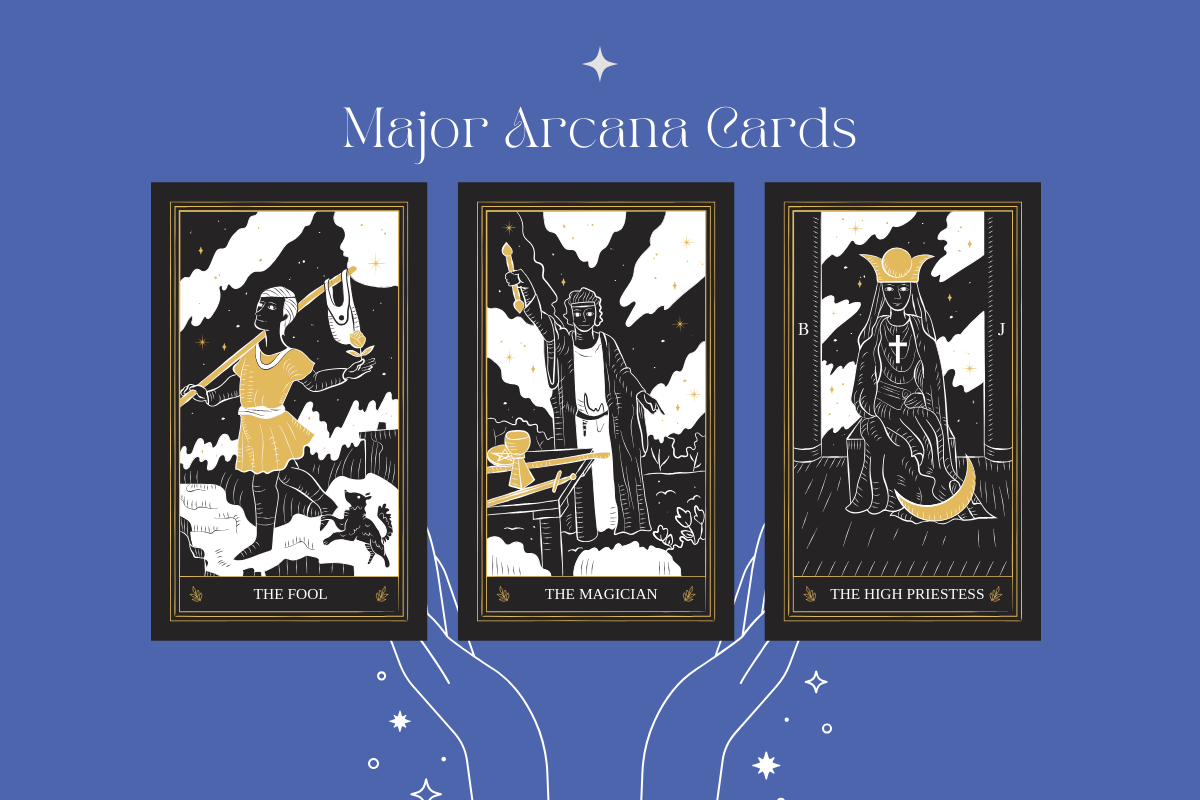
The tarot’s association with love isn’t accidental—it’s woven into its history. Originating in 15th-century Italy as a card game called *tarocchi*, the deck evolved into a tool for divination during the 18th century, thanks to occultists like the French mystic Éliphas Lévi. The Major Arcana’s Lovers card, for instance, was originally a depiction of the biblical Adam and Eve, symbolizing choice, duality, and the union of opposites. Over time, its meaning expanded to encompass romantic love, reflecting society’s growing emphasis on emotional bonds. The Minor Arcana’s suit of Cups, ruled by water, has always been tied to emotions, intuition, and relationships. In medieval Europe, cups were vessels for love potions and poetic declarations. Today, these historical threads give tarot love readings a sense of timelessness, as if the cards themselves are ancient messengers of the heart’s secrets. Yet, this historical weight also raises questions: Are we interpreting these cards through a modern lens, or are we unconsciously repeating patterns set centuries ago?
The Psychology Behind Tarot’s Love Readings
From a psychological standpoint, tarot love readings can be seen as a form of self-reflection disguised as prophecy. Cognitive psychologists argue that tools like tarot act as projective techniques, much like the Rorschach inkblot test. When a querent draws the Queen of Pentacles and interprets it as a nurturing partner, they’re often projecting their own desires or experiences onto the card. This isn’t to say the readings lack value—instead, they serve as a catalyst for introspection. The act of shuffling the cards and focusing on a question forces the mind to organize thoughts and emotions, creating a space for clarity. Moreover, the tarot’s structured symbolism can help individuals articulate feelings they struggle to express otherwise. For example, someone hesitant to admit their fear of commitment might see the Eight of Swords—a card of self-imposed limitations—and recognize their own mental barriers. In this light, tarot love readings become less about fortune-telling and more about emotional archaeology, digging up buried truths with the gentle guidance of metaphor.
Common Love Cards and Their Hidden Messages
Certain tarot cards have become synonymous with love, but their meanings often extend far beyond romance. Here’s a closer look at some of the most significant love-related cards and the layers they reveal:
The Lovers

Traditionally, The Lovers card represents a pivotal choice—whether in love, career, or morality. In a romantic context, it often signifies a union of souls, but it can also highlight the need to choose between passion and practicality. The angel Raphael, often depicted above the figures, symbolizes healing and divine guidance, suggesting that love requires both emotional and spiritual alignment. A reversed Lovers card might indicate disharmony or a relationship built on imbalance, urging the querent to reassess their priorities.
Two of Cups

This card is the quintessential symbol of mutual love and partnership. Unlike The Lovers, which focuses on choice, the Two of Cups emphasizes reciprocity and balance. It’s a reminder that love isn’t a one-way street—it thrives on give-and-take. In readings, it often appears when a relationship is entering a deeper phase, such as moving in together or committing to a shared future. Conversely, its absence might signal a lack of emotional alignment or unrequited feelings.
Three of Swords
Often feared in love readings, the Three of Swords is a card of raw honesty. It doesn’t just predict heartbreak—it acknowledges the inevitability of pain in love. Yet, its presence can also signal healing. The card’s imagery of a heart pierced by swords is stark, but it’s followed by a stormy sky that eventually clears, suggesting that pain is temporary. In a reading, it might urge the querent to confront a difficult truth or release a relationship that no longer serves them. Its message is harsh but necessary: love isn’t always gentle, but it’s always transformative.
Is Tarot Love Meaning Real or Just Comfort?
The question of whether tarot love meanings are “real” depends entirely on one’s perspective. For skeptics, tarot is a placebo—a comforting illusion that provides temporary reassurance but lacks objective truth. Studies on the placebo effect show that belief alone can trigger real emotional and even physical changes, so even if tarot’s predictions are coincidental, their impact on the querent’s mindset can be profound. On the other hand, believers see tarot as a conduit for higher wisdom or subconscious insights. They argue that the cards act as a bridge between the conscious and unconscious mind, revealing truths the querent already knows but hasn’t yet acknowledged. The reality likely lies somewhere in between: tarot is a tool that reflects the querent’s own psyche while offering a structured way to explore it. Its power isn’t in predicting the future but in illuminating the present—helping individuals navigate love with greater self-awareness and intentionality.
How to Use Tarot for Love Insights Without Losing Yourself
Tarot can be a double-edged sword. While it offers clarity, it can also become a crutch, leaving the querent dependent on external validation rather than trusting their own judgment. To avoid this, approach love readings with intentionality. Start by setting a clear intention—are you seeking guidance on a current relationship, healing from past wounds, or exploring self-love? Avoid asking yes-or-no questions; instead, frame inquiries that encourage depth, such as, “What do I need to understand about my emotional patterns?” or “How can I cultivate more love in my life?” Remember that the cards are a starting point, not a verdict. Use their messages as prompts for journaling or meditation, and always cross-reference interpretations with your own intuition. If a card’s meaning feels off, trust your gut—tarot is a conversation, not a monologue.
Conclusion
Tarot love meanings occupy a fascinating space between magic and psychology, tradition and personal growth. They are neither purely real nor entirely illusory; instead, they exist in the liminal realm where symbolism meets self-discovery. Whether you view the tarot as a spiritual guide or a psychological mirror, its value lies in its ability to transform abstract emotions into tangible insights. Love, in all its complexity, is a journey—and tarot can be a lantern, illuminating the path ahead. So shuffle the deck, ask the question that weighs on your heart, and let the cards speak. But remember: the final interpretation is yours to make. The tarot doesn’t hold all the answers—it holds up a mirror, reflecting the love, fears, and hopes that already reside within you.
FAQ
What do tarot love readings reveal?
Tarot love readings provide insights into emotional patterns, relationship dynamics, and personal growth opportunities.
Are tarot readings based on real insights?
The validity of tarot readings depends on personal belief; some view them as reflections of one’s psyche, while others see them as comforting illusions.
Leave a Reply