Short Answer
Welcome to this comprehensive guide on understanding tarot card meanings—both upright and reversed. Whether you’re a seasoned reader or just beginning your journey into the world of tarot, exploring the significance of cards in their reversed positions can deepen your insight and enrich your readings. This guide will walk you through the basics of tarot symbolism, the role of card orientation, and how reversed cards often reveal hidden truths or internal conflicts. By the end, you’ll gain confidence in interpreting both upright and upside-down cards, unlocking a more nuanced understanding of your readings.
Understanding Tarot Cards: Upright vs. Reversed
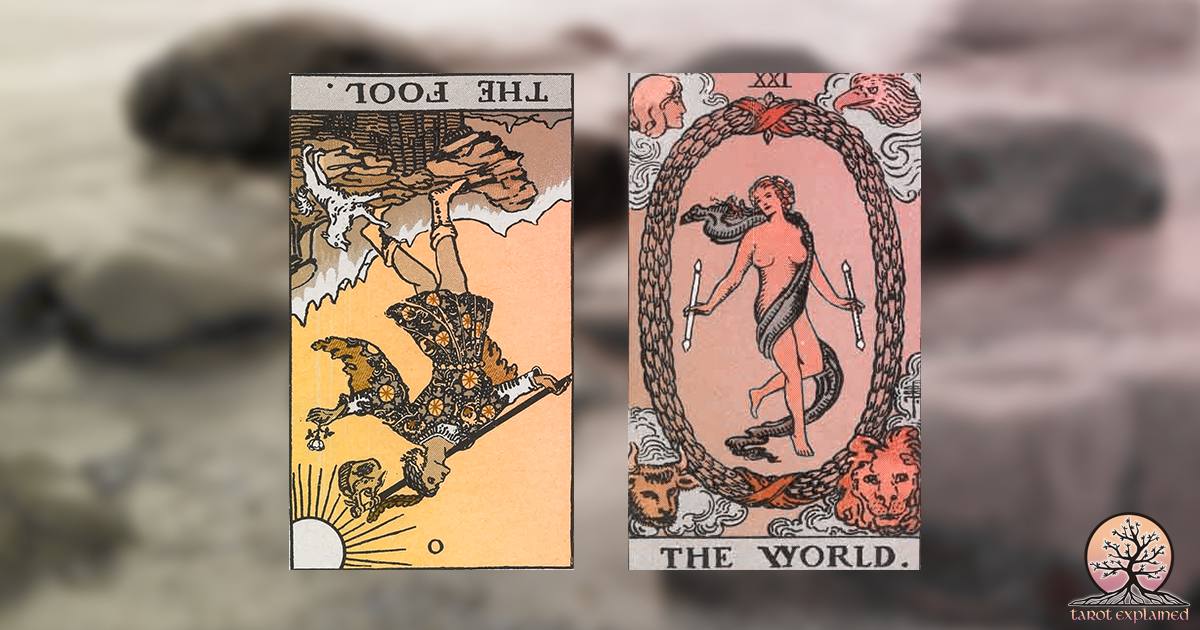
Tarot decks consist of 78 cards divided into two main groups: the Major Arcana (22 cards representing significant life themes) and the Minor Arcana (56 cards reflecting everyday experiences). Each card carries a core meaning when drawn upright. For example, The Fool represents new beginnings and spontaneity, while The Lovers symbolize harmony and choices. However, when a card appears upside down—or reversed—its energy shifts, often highlighting internal struggles, delays, or subconscious influences.
It’s important to recognize that reversed cards aren’t inherently negative. Instead, they invite you to look beneath the surface. A reversed card may indicate a blockage, a need for introspection, or an opportunity to address unresolved emotions. For instance, The Tower upright warns of sudden change, but reversed, it might suggest resistance to necessary transformation or lingering fear of chaos.
The Psychology Behind Reversed Cards
Reversed cards often reflect the querent’s (the person receiving the reading) inner state or unconscious patterns. They can reveal fears, doubts, or areas where personal growth is needed. This psychological layer adds depth to readings, making them more personalized and insightful. For example, The High Priestess upright signifies intuition and hidden knowledge, but reversed, she may point to ignoring gut feelings or suppressing inner wisdom.
Many readers find reversed cards fascinating because they mirror real-life complexities. Life isn’t always black and white, and neither are tarot readings. Reversals encourage a holistic view, acknowledging that challenges and setbacks are part of the journey. They remind us that growth often comes from facing what we’ve avoided or misunderstood.
Common Misconceptions About Reversed Cards
One of the biggest myths about reversed cards is that they always signify bad luck or failure. In reality, they’re more like mirrors reflecting areas that need attention. Another misconception is that reversals are less important than upright cards. On the contrary, they often provide critical context, especially in complex readings. For example, The Five of Cups upright shows loss and grief, but reversed, it can indicate healing and moving forward despite past disappointments.
Some readers avoid using reversed cards altogether, preferring to focus solely on upright meanings. While this approach simplifies readings, it may overlook valuable insights. Embracing reversals allows for a fuller, more authentic interpretation of the cards’ messages.
How to Interpret Reversed Cards Effectively
Interpreting reversed cards requires a blend of intuition and knowledge. Start by considering the card’s core meaning and then explore how its energy might be distorted or internalized. Ask yourself: Is this card highlighting a fear, a delay, or a hidden opportunity? For example, The Chariot upright represents determination and victory, but reversed, it may suggest a lack of direction or inner conflict holding you back.
Context is key. Compare the reversed card to surrounding cards in the spread. If The Emperor appears reversed next to The Empress upright, it might indicate a power struggle or imbalance in leadership and nurturing roles. Drawing on your intuition helps refine these interpretations, making each reading uniquely tailored to the querent.
Practical Tips for Working with Reversed Cards
If you’re new to reversals, start by shuffling your deck and drawing a single card each day. Note whether it appears upright or reversed, and reflect on how its message resonates with your current experiences. This practice builds familiarity and confidence in recognizing reversed energies.
Another helpful technique is to journal your readings. Record the cards drawn, their positions, and your interpretations—both upright and reversed. Over time, you’ll notice patterns and gain deeper insights into your readings. Additionally, consider using a guidebook or trusted online resource to cross-reference meanings, but always trust your intuition as the final authority.
Reversed Cards in Different Tarot Spreads
The placement of a reversed card in a spread can alter its significance. In a past-present-future spread, a reversed card in the past position might indicate unresolved issues from earlier in life. In the future position, it could suggest a challenge to overcome or a lesson yet to be learned. For example, The Wheel of Fortune reversed in the future position may warn of unexpected setbacks or a need to adapt to change.
In relationship spreads, reversed cards can highlight imbalances or unspoken tensions. The Three of Swords reversed, for instance, might indicate healing from heartbreak or a relationship that’s mending after conflict. Always consider the surrounding cards to understand the full story.

Embracing the Full Spectrum of Tarot
Tarot is a tool for self-discovery and empowerment, and reversed cards are an integral part of that journey. They remind us that life’s challenges are not roadblocks but opportunities for growth. By learning to interpret both upright and reversed cards, you open yourself to a richer, more layered understanding of the tarot’s wisdom.
Whether you view reversals as a reflection of internal struggles or as a sign of hidden potential, they add depth and authenticity to your readings. The key is to approach them with an open mind and a willingness to explore the nuances of each card’s energy.
Conclusion
Reversed tarot cards are not a sign of bad luck or failure—they’re invitations to look deeper, to question, and to grow. By understanding their meanings and integrating them into your readings, you unlock a more comprehensive view of the tarot’s guidance. Whether you’re a beginner or an experienced reader, embracing both upright and reversed cards will enhance your ability to provide insightful, meaningful readings. Remember, the tarot is a mirror, and reversed cards simply reflect the parts of the journey that are often overlooked but essential to your evolution.
FAQ
What does a reversed tarot card mean?
A reversed tarot card often indicates internal struggles, delays, subconscious influences, or areas needing introspection rather than being inherently negative.
Are reversed cards always bad luck?
No, reversed cards are not always bad luck; they can highlight opportunities for growth, healing, or hidden aspects of a situation.
Should I use reversed cards in tarot readings?
Using reversed cards adds depth and nuance to readings, though some readers prefer to focus only on upright cards for simplicity.
How can I interpret reversed cards effectively?
Interpret reversed cards by considering the upright meaning, then explore how the energy might be blocked, delayed, or internalized, using intuition and context.
Do reversed cards mean the opposite of upright cards?
Not always; reversed cards can modify, soften, or highlight different aspects of the upright meaning rather than simply being the opposite.
Leave a Reply