Short Answer
In this comprehensive guide, you’ll discover everything you need to master tarot card meanings quickly and accurately. Whether you’re a beginner eager to start your divination journey or an intermediate reader looking to refine your skills, this cheat guide will provide you with the essential tools, insights, and techniques to read tarot with confidence. You’ll learn how to interpret each card’s core symbolism, recognize patterns in spreads, and avoid common pitfalls that can lead to misinterpretations. By the end, you’ll have a solid foundation to perform readings that are both insightful and meaningful.
Why Tarot Cheat Sheets Are Essential for Fast Learning
Tarot cheat sheets are invaluable resources for anyone looking to accelerate their learning curve. Unlike memorizing dense guidebooks, cheat sheets distill complex card meanings into concise, easy-to-reference formats. They often include visual cues, keywords, and elemental associations that help you recall information faster during readings. Many experienced readers still rely on cheat sheets, especially when working with less familiar decks or complex spreads. By using these guides, you reduce the cognitive load during readings, allowing you to focus more on intuition and less on recalling definitions. Additionally, cheat sheets can highlight subtle differences between similar cards, such as the upright and reversed meanings of the same card, which are crucial for nuanced interpretations.

Understanding the Core Structure of Tarot Cards
Tarot decks typically consist of 78 cards divided into two main groups: the Major Arcana and the Minor Arcana. The Major Arcana contains 22 cards, each representing significant life events, spiritual lessons, or archetypal energies. These cards often carry deeper symbolic weight and are frequently the focal point of readings. The Minor Arcana, on the other hand, consists of 56 cards divided into four suits—Cups, Pentacles, Swords, and Wands—each corresponding to different aspects of daily life. Cups relate to emotions and relationships, Pentacles to material wealth and practical matters, Swords to intellect and conflict, and Wands to creativity and passion. Understanding this structure is fundamental to interpreting tarot spreads accurately, as it helps you contextualize the cards within the broader narrative of a reading.
Key Elements to Focus on in Tarot Cheat Sheets
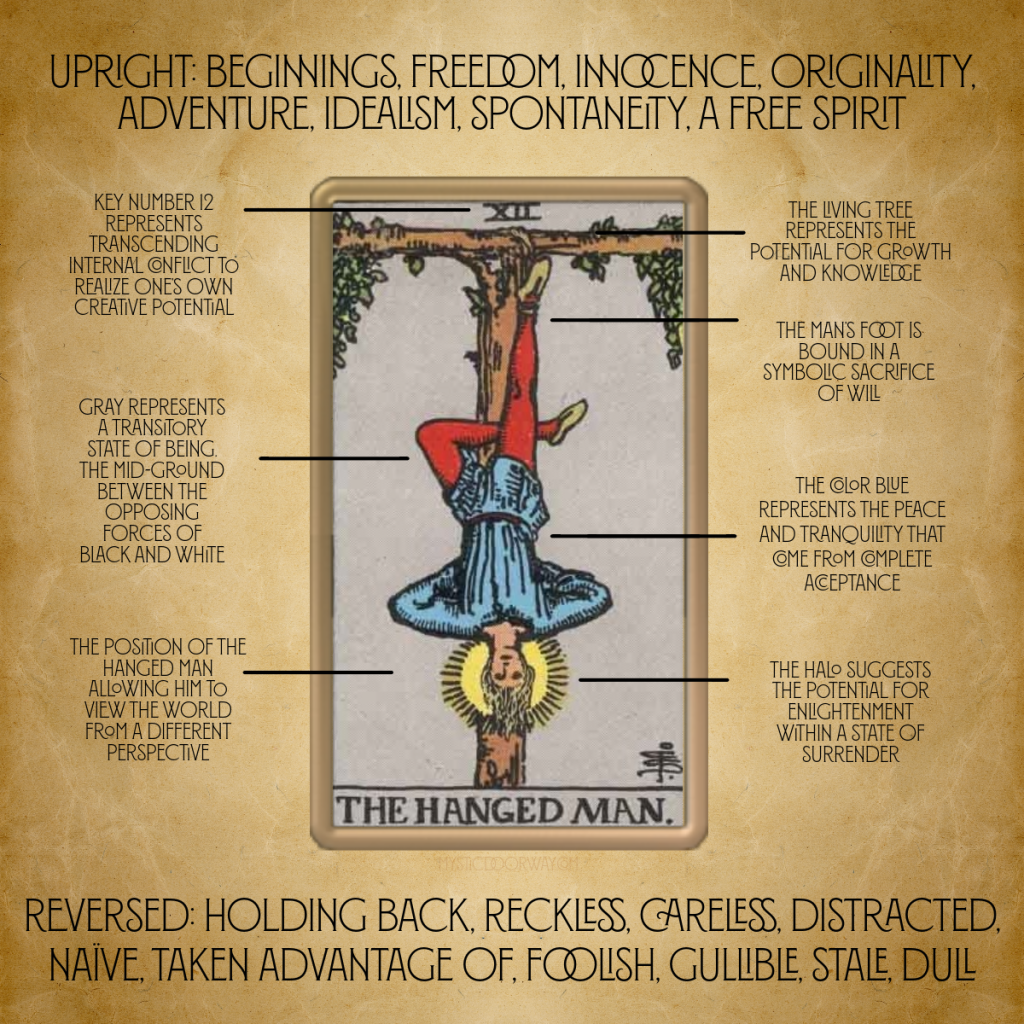
When using a tarot cheat sheet, pay attention to several key elements to maximize its effectiveness. First, look for the card’s traditional name and number, as these often carry historical or numerological significance. Next, note the primary keywords associated with the card, which serve as quick mental anchors during readings. Many cheat sheets also include elemental associations (e.g., Fire for Wands, Water for Cups) and astrological correspondences, which add layers of meaning. Pay special attention to reversed meanings, as these often indicate blocked energy, internal struggles, or the need for introspection. Finally, observe any visual symbols or imagery on the card itself, as these can provide additional context and personal insights. By focusing on these elements, you’ll develop a more holistic understanding of each card’s message.

How to Use Tarot Cheat Sheets for Accurate Readings
Using a tarot cheat sheet effectively requires more than just glancing at it during a reading. Start by familiarizing yourself with the cards individually before attempting spreads. Study each card’s imagery, symbolism, and traditional meanings until they feel intuitive. When performing a reading, use the cheat sheet as a reference point rather than a crutch—rely on your intuition to guide the interpretation while using the sheet to confirm or expand your understanding. For example, if you draw the Three of Cups, note that it often signifies celebration and friendship, but also consider how the imagery (e.g., three women dancing) might resonate with your querent’s situation. Over time, you’ll internalize the meanings, making the cheat sheet less necessary. Additionally, keep a journal of your readings to track patterns and deepen your connection with the cards.
Common Mistakes to Avoid When Using Tarot Cheat Sheets
While tarot cheat sheets are incredibly helpful, they can also lead to common pitfalls if not used mindfully. One of the biggest mistakes is relying too heavily on the sheet’s interpretations without considering the card’s context within the spread. For instance, the Five of Pentacles might traditionally indicate financial struggle, but if it appears alongside the Ten of Cups, the overall message could shift toward resilience and eventual stability. Another mistake is overgeneralizing card meanings without accounting for reversed positions or personal symbolism. Always remember that tarot is a tool for intuition, and the cheat sheet should serve as a guide, not a rigid rulebook. Additionally, avoid memorizing meanings out of context—focus on understanding the underlying themes and energies of each card to foster deeper insights.
Advanced Techniques for Using Tarot Cheat Sheets
Once you’re comfortable with the basics, you can use tarot cheat sheets to explore more advanced techniques. For example, try comparing the meanings of similar cards across different decks to see how artists and authors interpret the same archetypes. You can also use the cheat sheet to identify elemental dignities, which assess the harmony or tension between cards based on their suit elements. For instance, a spread with multiple Wands (Fire) and Cups (Water) might indicate a dynamic balance between passion and emotion. Another advanced technique is to create your own cheat sheet by combining elements from multiple sources, tailoring it to your personal style and the decks you work with most frequently. This not only deepens your understanding but also makes the tool uniquely yours.

Conclusion
Tarot cheat sheets are powerful tools that can help you learn tarot meanings quickly and accurately, but their true value lies in how you use them. By understanding the core structure of tarot, focusing on key elements in the cheat sheet, and avoiding common mistakes, you’ll develop a strong foundation for insightful readings. Remember that tarot is as much about intuition as it is about memorization, so use the cheat sheet as a springboard for deeper exploration rather than a final answer. With practice and an open mind, you’ll find that your ability to read tarot accurately and confidently grows exponentially. Whether you’re drawing cards for yourself or others, the insights you gain will not only enhance your readings but also deepen your connection to the timeless wisdom of the tarot.
FAQ
What is a tarot cheat sheet?
A tarot cheat sheet is a concise reference guide that summarizes the meanings, keywords, and symbolism of tarot cards to help readers quickly recall interpretations during readings.
How do cheat sheets help in tarot readings?
Cheat sheets reduce the cognitive load during readings by providing quick access to card meanings and symbolism, allowing readers to focus more on intuition and less on memorization.
Can I rely solely on cheat sheets for tarot interpretations?
No, cheat sheets should be used as a guide to support intuition, not as rigid rules. Understanding card context and personal insights are essential for accurate readings.
What are common mistakes when using tarot cheat sheets?
Common mistakes include over-relying on card definitions without considering spread context, ignoring reversed meanings, and memorizing meanings without understanding underlying themes.
How can I improve my tarot reading skills with cheat sheets?
Start by studying cards individually, use the cheat sheets as a reference while practicing spreads, keep a reading journal, and gradually integrate intuition to deepen your understanding.
Leave a Reply