Short Answer
Have you ever shuffled your tarot deck, posed a burning question, and found yourself staring at the cards, wondering, “When will this happen?” Timing in tarot can feel like trying to catch a glimpse of a shooting star—elusive, mysterious, and sometimes downright frustrating. Whether you’re curious about a new relationship, a career shift, or a personal transformation, understanding the tarot’s take on timing can add a layer of clarity to your readings. In this guide, we’ll explore how tarot cards can offer insights into when events might unfold, the challenges you might face along the way, and how to interpret the cards with a playful yet mindful approach. By the end, you’ll have a toolkit to decode the whispers of time in your spreads.
Why Timing Matters in Tarot Readings
Time is a fluid concept in tarot, often represented by the cyclical nature of the cards rather than rigid dates or deadlines. When you ask “when will it happen,” you’re inviting the tarot to reveal the energetic timing of your question. This doesn’t mean the cards will give you a calendar date, but they can indicate phases, seasons, or even emotional readiness. For example, drawing the Three of Cups might suggest a joyful event, like a celebration or reunion, could occur within a few weeks or months. Meanwhile, the Eight of Swords could hint at a period of feeling stuck, delaying progress until you shift your perspective.
Timing in tarot is also about alignment. The cards may reveal that an event is likely to happen when you’re in a certain emotional or mental state. For instance, the Tower card might indicate a sudden change, but it could take weeks or even months to unfold as the universe prepares you for the upheaval. Pay attention to the surrounding cards, as they often provide context for the timing. A spread with the Page of Wands and the Six of Pentacles might suggest a financial opportunity arising in the next few months, while the Queen of Swords could imply a decision needs to be made sooner rather than later.
The Role of Major and Minor Arcana in Timing
The Major Arcana cards are often seen as the “big picture” of your timing question, representing significant life events or turning points. Cards like the Chariot or the Wheel of Fortune can signal a period of rapid change or momentum, while the Hermit might suggest a slower, more introspective phase. For example, if you draw the Star in a timing spread, it could indicate that a long-awaited dream is finally coming to fruition, but it may require patience and faith in the process.
The Minor Arcana, on the other hand, offers more granular insights into timing. The suit of Cups often relates to emotions and relationships, so a timing question about love might see the King of Cups suggesting a stable partnership forming in the next 6-12 months. The suit of Pentacles is tied to material matters, like finances or career, so the Ten of Pentacles could hint at a legacy or financial milestone arriving in the next few years. Even the Page of Swords might indicate a sudden opportunity or message arriving within days or weeks.
To refine your timing interpretations, consider the numerology of the cards. For example, the number 3 (as in the Three of Cups) often suggests a short-term timeframe, like weeks or a few months, while the number 7 (as in the Seven of Wands) might point to a longer wait, perhaps 6-12 months. Court cards can also add nuance—an Knight card might imply swift action, while a Queen suggests a more gradual unfolding.
Common Challenges in Tarot Timing Readings
One of the biggest challenges in tarot timing is the tendency to seek absolute certainty. The cards rarely provide a clear “this will happen on [date],” and that’s by design. The universe often works in cycles, and the timing you receive might be more about energetic alignment than a fixed schedule. For example, you might draw the Four of Cups in a timing spread, which could indicate a period of apathy or waiting, but the surrounding cards might reveal that this phase is necessary before the next step can occur.
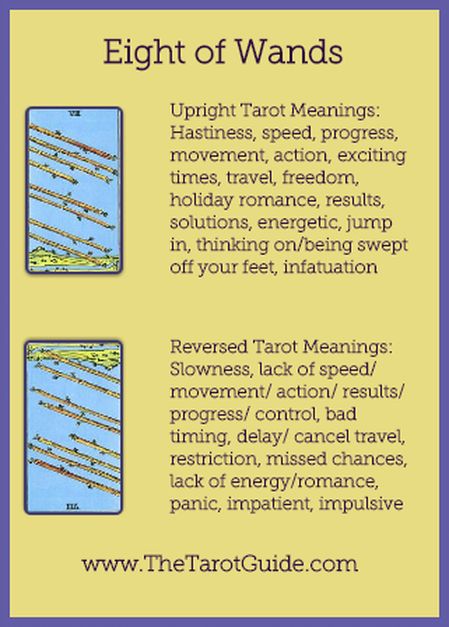
Another challenge is overanalyzing the timing. It’s easy to fixate on the “when” and forget to focus on the “what” and “why.” For instance, if you’re asking about a job promotion, the Eight of Wands might suggest it will happen quickly, but the Five of Pentacles could indicate that you need to address a financial concern first. The timing isn’t just about the event itself but the steps leading up to it. Additionally, external factors—like other people’s decisions or unforeseen circumstances—can influence the timing. The tarot can highlight these potential roadblocks, but it’s up to you to navigate them.
Finally, timing questions can sometimes reveal a lack of readiness. Drawing the Two of Swords or the High Priestess might suggest that you’re not yet prepared for the event you’re asking about. This isn’t a failure but an invitation to reflect on what needs to change within you before the timing aligns. For example, if you’re asking about a new relationship and draw the Three of Swords, it might indicate that you need to heal from past wounds before love can enter your life.
Practical Spreads for Timing Questions
To get the most out of your timing questions, try using a dedicated spread. One simple yet effective option is the “Seasonal Spread,” which divides the year into four quadrants (spring, summer, fall, winter) and places cards in each to indicate when events might unfold. For example, if you draw the Ace of Wands in the spring quadrant, it could suggest a burst of creative energy or a new project beginning in the next few months. The Nine of Pentacles in the fall quadrant might indicate financial stability arriving in the latter part of the year.
Another useful spread is the “Phases of the Moon Spread,” which uses the eight phases of the moon to represent different stages of timing. The New Moon phase could symbolize the beginning of a cycle, while the Full Moon might indicate a peak or culmination. For example, if you’re asking about a personal goal, the Waxing Crescent card could suggest initial progress in the next few weeks, while the Waning Gibbous card might indicate a period of reflection and adjustment after the event has occurred.
For a more detailed approach, try the “Timeline Spread,” which arranges cards in a linear fashion to represent past, present, and future timing. The first card might show what has already set the timing in motion, the second card could indicate the current phase, and the third card might reveal when the event is likely to happen. For example, if the first card is the Six of Cups, it could suggest that a past memory or relationship is influencing the timing of your current question. The second card, the Page of Wands, might indicate that you’re in the early stages of a new opportunity, and the third card, the Sun, could suggest that the event will come to fruition in the next few months.
Interpreting the Cards: A Playful Approach
Timing questions don’t have to be serious or rigid. In fact, approaching them with a playful mindset can yield more intuitive and accurate insights. Try framing your question as, “What’s the funniest or most unexpected way this could happen?” or “What’s the universe’s sense of humor about the timing of this?” This lighthearted approach can help you see the cards in a new light. For example, drawing the Fool in a timing spread might suggest that the event will happen when you least expect it—perhaps during a spontaneous adventure or a moment of whimsy.
Another playful technique is to assign playful nicknames to the cards based on their timing implications. The Three of Pentacles could be “The Team Player,” suggesting that collaboration will speed up the timing of your event. The Ten of Swords might be “The Plot Twist,” indicating that the timing will be surprising or unexpected. The Page of Cups could be “The Love Letter,” hinting that a romantic development might arrive sooner than you think. By giving the cards personalities, you can engage with them on a deeper, more intuitive level.
Don’t forget to consider the reversed cards in your timing readings. A reversed Chariot might suggest that you’re resisting the timing of an event, while a reversed Tower could indicate that you’re clinging to an old timeline that no longer serves you. Reversed cards can also highlight delays or external factors that are out of your control. For example, a reversed King of Wands might suggest that a mentor or authority figure is slowing down the process, while a reversed Ace of Swords could indicate that you need to clarify your intentions before the timing aligns.
Conclusion
Timing in tarot is less about predicting exact dates and more about understanding the energetic flow of your life. By learning to interpret the cards through the lens of timing, you can gain clarity on when events might unfold, what challenges you might face, and how to align yourself with the universe’s rhythm. Remember that the tarot is a tool for guidance, not a crystal ball, and the timing you receive is often a reflection of your readiness and the natural progression of events.
As you continue to explore tarot timing, keep a playful and open mind. The cards are here to guide you, but they also enjoy a good laugh along the way. Whether you’re waiting for love, a career breakthrough, or personal growth, trust that the timing is perfect—even if it’s not what you expected. And if all else fails, just remember: the Fool never worries about timing because they’re too busy dancing with the unknown.
FAQ
How can tarot cards indicate timing for events?
Tarot cards can suggest timing by representing phases, seasons, or emotional readiness rather than fixed dates.
What are some common challenges in tarot timing readings?
Challenges include seeking absolute certainty, overanalyzing timing, and discovering a lack of readiness for the event.
Leave a Reply