Short Answer
Welcome to a transformative journey into the world of Tarot, where ancient symbolism meets modern insight. In this guide, you’ll uncover the profound meanings behind Tarot cards, with a special focus on those that hint at deception or infidelity. But more than just warnings, these cards promise a shift in perspective—inviting you to question, reflect, and ultimately, grow. Whether you’re a seasoned reader or a curious beginner, prepare to see Tarot in a new light as we explore the cards that spark curiosity and challenge assumptions.
The Role of Tarot in Modern Life
Tarot is far more than a deck of mystical images; it’s a mirror to the subconscious, a tool for self-reflection, and a catalyst for change. In today’s fast-paced world, where relationships and trust are often tested, Tarot offers a unique lens to examine hidden truths. The cards don’t just predict the future—they illuminate the present, revealing patterns and emotions that might otherwise remain buried. By engaging with Tarot, you’re not just seeking answers; you’re embarking on a journey of discovery that can reshape how you perceive yourself and others.
Understanding the Cards: Cheating or Genius?
The question of whether certain Tarot cards indicate cheating or simply highlight areas needing attention is a nuanced one. Tarot doesn’t deal in absolutes; instead, it presents possibilities and prompts introspection. Cards like the Three of Swords, with its imagery of heartbreak and betrayal, or the Five of Pentacles, which can symbolize emotional or financial lack, often raise eyebrows in readings about relationships. But these cards aren’t verdicts—they’re invitations to explore deeper truths. For instance, the Three of Swords might reveal unspoken pain or a need for honest communication, rather than outright deception. Similarly, the Knight of Cups, often associated with romance, could hint at idealization or emotional immaturity, which might be misinterpreted as infidelity if not examined closely.
Key Tarot Cards and Their Meanings
Let’s dive into some of the most significant cards that often come up in discussions about cheating or hidden truths:
The Three of Swords
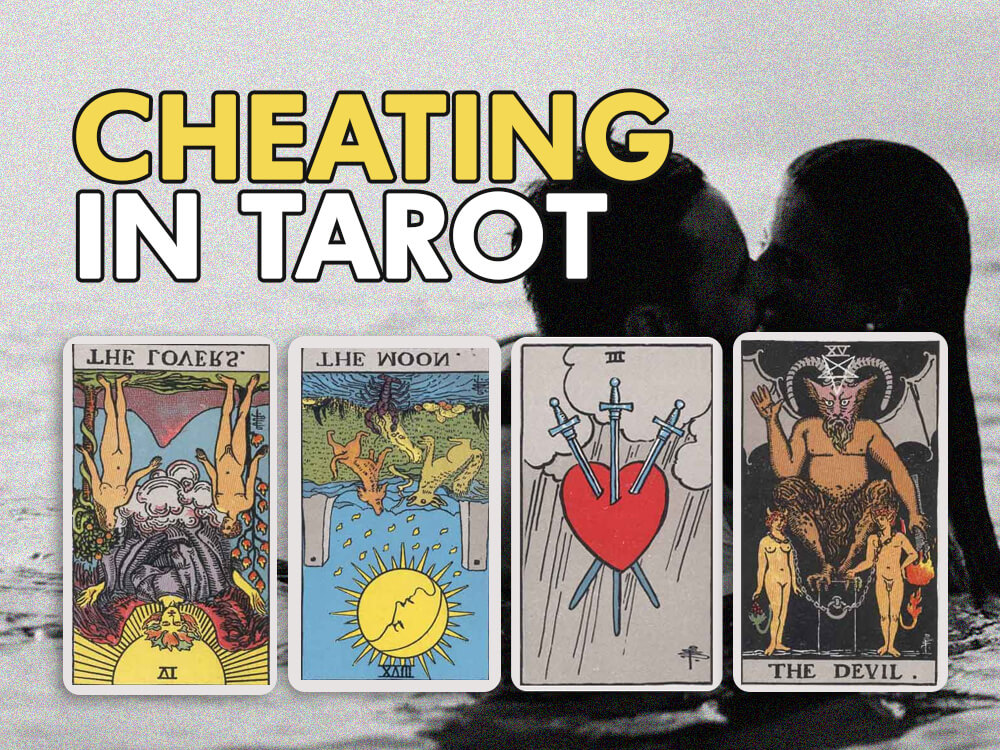
The Three of Swords is perhaps the most visually striking card when it comes to themes of betrayal. Depicted by a heart pierced by three swords, it symbolizes emotional pain, heartbreak, and the sting of deception. However, its message isn’t just about pain—it’s about healing. This card often appears when there’s a need to confront difficult truths, whether in a relationship or within oneself. It’s a call to acknowledge suffering so that growth can follow. If this card appears in a reading, ask yourself: Is there a situation or person causing you pain that you’ve been avoiding? What steps can you take to address it?
The Five of Pentacles

The Five of Pentacles often evokes images of struggle, lack, and feeling left out in the cold. In the context of relationships, it can suggest emotional or financial instability that might lead to tension or mistrust. This card doesn’t necessarily point to cheating, but it does highlight areas where support is lacking—whether from a partner, family, or friends. It’s a reminder that relationships thrive on mutual care and understanding. If this card appears, consider: Where do you feel unsupported? How can you foster a sense of security in your relationships?
The Knight of Cups

The Knight of Cups is the embodiment of romance, idealism, and emotional expression. However, its appearance can also signal naivety or a tendency to romanticize situations to the point of overlooking red flags. In readings about relationships, this card might suggest that one or both parties are investing in a fantasy rather than reality. It’s a prompt to ground your expectations and communicate openly. Ask yourself: Are you seeing your partner (or situation) clearly, or are you idealizing them? What truths might you be ignoring?
Interpreting the Cards: Beyond Surface Meanings
Tarot is deeply personal, and its interpretations can vary widely depending on the context of the reading and the individual’s circumstances. For example, the Two of Cups, often a symbol of partnership and mutual love, might take on a different meaning if reversed—hinting at imbalance or unreciprocated feelings. Similarly, the Ten of Swords, while traditionally a card of endings, can also represent the release of toxic patterns, paving the way for renewal. The key is to look beyond the surface imagery and consider the emotions and questions the cards evoke in you.
Another layer to consider is the position of the cards in a spread. For instance, a card representing deception in the “past” position might indicate a past event that’s influencing the present, while the same card in the “future” position could suggest a potential outcome to avoid. Context is everything, and Tarot rewards those who approach it with an open mind and a willingness to explore.
How Tarot Can Shift Your Perspective
One of the most powerful aspects of Tarot is its ability to reframe situations. Instead of seeing a card like the Three of Swords as a doom-and-gloom prediction, you can view it as a catalyst for change. Perhaps it’s highlighting a need for better communication in your relationship or encouraging you to set healthier boundaries. Tarot doesn’t just tell you what’s happening—it helps you see how you can respond.
For those grappling with trust issues or suspicions, Tarot can serve as a tool for self-inquiry. Instead of jumping to conclusions, you can use the cards to explore your fears and insecurities. Are you projecting your own doubts onto your partner? Is there a pattern in your relationships that needs addressing? Tarot doesn’t provide easy answers, but it does provide a space for honest reflection.
Using Tarot for Growth, Not Just Answers
While it’s tempting to use Tarot as a way to “find out” if someone is cheating, the real value lies in what you do with the insights it provides. Tarot is a conversation starter—with yourself. It’s an opportunity to confront uncomfortable truths, challenge your assumptions, and ultimately, make more informed decisions. Whether you’re single, in a relationship, or navigating the complexities of trust, Tarot can be a guiding light.
Consider keeping a Tarot journal to track your readings and reflect on how the cards resonate with your life. Over time, you’ll start to notice patterns and gain a deeper understanding of your own psyche. Tarot isn’t about predicting the future; it’s about empowering yourself to shape it.
Conclusion
Tarot is a profound tool for self-discovery, offering more than just warnings or predictions—it offers a pathway to deeper understanding. The cards that hint at cheating or deception aren’t there to instill fear, but to invite you into a space of reflection and growth. By approaching Tarot with curiosity and an open heart, you can uncover hidden truths, challenge your perceptions, and ultimately, transform your relationships and yourself.
Remember, the cards are a mirror. They reflect back to you what you already know but may have been too afraid to acknowledge. Whether you’re seeking clarity in a relationship or simply exploring the mysteries of your own mind, Tarot can be a guiding force—one that promises not just answers, but a shift in perspective.
FAQ
What does the Three of Swords represent in Tarot?
The Three of Swords symbolizes emotional pain, heartbreak, and the need for healing, often inviting reflection on difficult truths in relationships.
Can Tarot cards predict cheating?
Tarot cards do not predict cheating but can highlight areas of concern and encourage introspection regarding trust and communication.
Leave a Reply