Short Answer
Welcome to your definitive guide on Tarot Yes or No Meanings—a tool designed to cut through life’s fog and deliver clarity when you need it most. Whether you’re facing a pivotal decision, seeking reassurance, or simply curious about the universe’s whispers, this guide will illuminate the path forward. You’ll discover how to interpret the cards’ answers, recognize subtle nuances, and harness the power of symbolic language to decode your fate. By the end, you’ll possess the confidence to consult the cards like a seasoned oracle, transforming uncertainty into actionable insight.
The Oracle’s Language: How Tarot Speaks in Yes or No
Tarot’s yes or no system is not a blunt instrument but a nuanced dialogue between you and the cosmos. Unlike traditional readings that unfold like a story, these queries demand precision—yet the cards rarely answer with a simple “yes” or “no.” Instead, they speak in metaphors, symbols, and energetic vibrations. The Major Arcana cards often carry the weight of fate, while the Minor Arcana reflects everyday influences. For instance, The Sun blazes with an unequivocal “yes,” its radiant energy promising success and joy. In contrast, The Tower crashes down with a resounding “no,” signaling disruption or unforeseen obstacles. The key lies in observing the card’s imagery, elemental associations, and your intuitive reaction to its message.
To refine your interpretation, consider the card’s position in the spread. A “yes” card in the present position may affirm current circumstances, while the same card in the future could indicate delayed but inevitable outcomes. Conversely, a “no” card in the past might reveal why a path didn’t unfold as hoped. The cards are mirrors, reflecting not just answers but the emotional and karmic undercurrents shaping your question.
Decoding the Cards: Your Personal Yes or No Dictionary
Below is a curated guide to the most common cards and their yes or no implications. Remember, context is everything—always pair these interpretations with your intuition and the specifics of your query.
The Lovers: A “yes” for matters of the heart or alignment with your true path. The card’s union suggests harmony, but beware—it may also warn of choices between desire and duty.
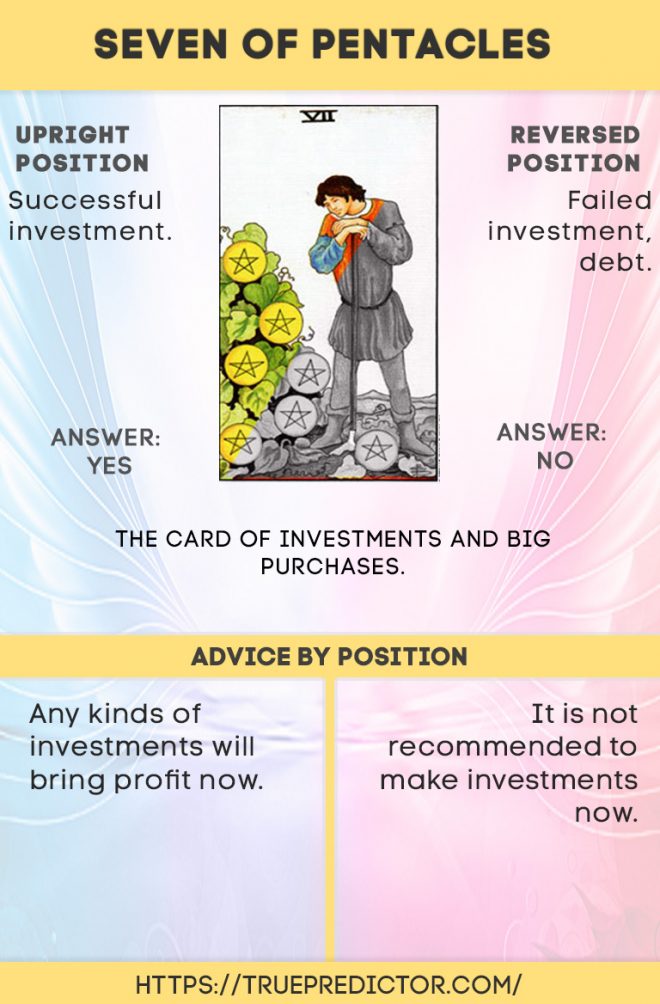
Seven of Pentacles: A “no” or “not yet.” This card urges patience, revealing that your efforts require more time to bear fruit. Rushing now could lead to wasted resources.
The Star: A resounding “yes,” especially for spiritual or creative pursuits. Its celestial light promises hope, inspiration, and alignment with your higher self.
Other pivotal cards include:
- Eight of Cups: A “no” or “walk away.” This card signals the need to leave behind what no longer serves you, even if it’s comfortable.
- Ten of Wands: A “yes,” but with a caveat—success may come at a cost of overburdening yourself. Proceed with caution.
- Page of Swords: A “yes” for new ideas or communication, but be prepared for unexpected twists.
Crafting the Perfect Question: The Art of Inquiry
The quality of your question shapes the clarity of the answer. Vague queries yield vague responses, while precise ones unlock the cards’ wisdom. Instead of asking, “Will I get the job?” try, “What energy surrounds my job application, and is this role aligned with my highest good?” This reframing invites the cards to reveal not just a yes or no, but the underlying dynamics at play.
Timing is another critical factor. If you’re seeking a “yes” for a time-sensitive matter, ask the cards to reveal whether the opportunity is ripe now or if waiting would serve you better. For example, “Is this the right moment to launch my project, or should I delay for greater alignment?” The cards will highlight external factors, internal readiness, or hidden obstacles you may not have considered.
The Role of Intuition: When the Cards Speak in Whispers
While guidebooks provide a foundation, your intuition is the ultimate translator of the cards’ language. Pay attention to the emotions a card evokes—does it feel like a warm embrace or a cold warning? Notice physical sensations, such as a sudden chill or a rush of warmth, as these often signal the card’s true message. For instance, The Empress might feel nurturing and expansive, while The Hermit could evoke a sense of isolation or introspection.
To deepen your intuitive connection, try meditating on the card before sleeping. Ask for a dream that clarifies its meaning, or journal about the symbols that stand out to you. Over time, you’ll develop a personal lexicon of images and feelings that resonate uniquely with your energy.
Common Pitfalls and How to Avoid Them
Even seasoned readers can stumble when interpreting yes or no readings. One frequent mistake is over-reliance on guidebooks without considering the card’s context in the spread. Another is ignoring the “maybe” cards—those that fall between yes and no, like The Wheel of Fortune or Three of Cups. These cards suggest that the outcome is fluid, dependent on your actions or external influences.
Avoid asking the same question repeatedly, as this can create energetic noise and confusion. If the cards give a clear answer, trust it—even if it’s not what you hoped to hear. Rephrasing the question slightly may yield additional insights, but repeating it without reflection rarely changes the outcome.
Advanced Techniques: Elevating Your Yes or No Readings
For those ready to transcend basic interpretations, advanced techniques can add depth to your practice. One method is the “three-card spread,” where you draw a card for the past, present, and future. A “yes” card in the future position, preceded by a “no” in the past, might indicate that a current obstacle is clearing the way for a better outcome. Alternatively, use a “clarifier card” to refine a vague answer—draw an additional card to shed light on the nuances of the first.
Another powerful approach is to combine yes or no readings with elemental dignities. For example, if you draw The Magician (a strong “yes”) but it’s surrounded by fiery cards like Three of Wands and Ace of Wands, the energy is highly supportive. However, if watery cards like The Moon or Five of Cups dominate, the “yes” may be clouded by emotions or illusions.
Conclusion: Trust the Cards, Trust Yourself
Tarot yes or no readings are a dance between structure and intuition, logic and mystery. They offer a framework to navigate life’s crossroads, but it’s your willingness to listen—truly listen—to the cards that transforms them from mere symbols into a living guide. Whether you’re seeking confirmation, caution, or a nudge in a new direction, remember that the cards are not fortune-telling devices but mirrors reflecting your own inner wisdom.
As you continue your practice, let go of rigid expectations and embrace the fluidity of the oracle’s language. The more you engage with the cards, the more they will reveal not just answers, but a deeper understanding of yourself and the world around you. So shuffle your deck, ask your question, and let the cards speak—your future is waiting to be decoded.
FAQ
What does a yes or no reading mean in Tarot?
A yes or no reading provides clear guidance on a question by interpreting the cards’ meanings, which often reflect nuances rather than straightforward answers.
How should I phrase my question for a Tarot reading?
To get the best answers, frame your question clearly and specifically, focusing on the energy surrounding the situation rather than a simple yes or no.
Leave a Reply