Short Answer
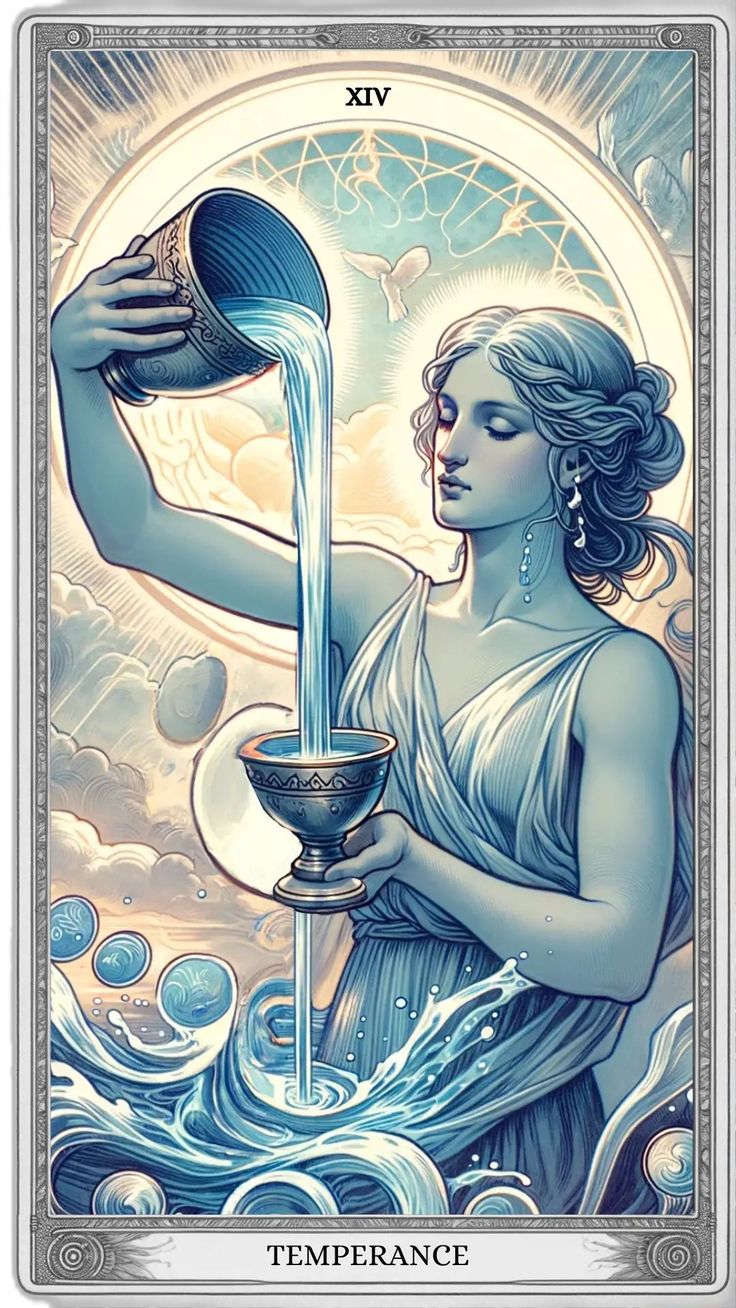
In this guide, you’ll explore the concept of Temperance as a feeling—embracing blending over rushing, finding harmony in emotions, and moving at a pace that aligns with your inner rhythm. You’ll learn how to embody this energy through poses, playful questions to deepen your understanding, and potential challenges to test your balance. Whether you’re seeking emotional clarity or a creative spark, Temperance offers a gentle but powerful way to navigate life’s transitions.
Understanding Temperance as Feelings: The Art of Blending, Not Rushing
Temperance, in the context of feelings, is about merging opposites—calm with passion, patience with action, and hesitation with trust. It’s the emotional equivalent of stirring a pot: too fast, and the ingredients separate; too slow, and nothing comes together. When you embody Temperance as a feeling, you’re not suppressing emotions or forcing outcomes. Instead, you’re allowing them to intermingle naturally, like colors blending in watercolor art. This approach fosters resilience because it teaches you to ride the waves of emotion without being swept away by them.
At its core, Temperance as feelings is about harmony. It’s the quiet confidence that comes from knowing you don’t have to rush to prove your worth, your love, or your ideas. Think of it as the difference between sprinting through a garden to “get to the good parts” versus strolling through, noticing every petal and scent. The latter isn’t just more enjoyable—it’s more effective. Emotions, like plants, thrive when given space to grow at their own pace.
This energy is especially useful in relationships, creative projects, or personal growth. Have you ever forced a conversation that needed time to simmer? Or rushed a creative idea before it fully formed? Temperance reminds you that some things can’t—and shouldn’t—be rushed. The magic happens in the blending.

Poses to Embody Temperance: Finding Your Emotional Balance
Your body language can reinforce the feeling of Temperance, helping you physically embody the energy of blending over rushing. Try these poses to cultivate a sense of calm and intentionality:
- Mountain Pose (Tadasana) with Deep Breaths: Stand tall, feet grounded, arms relaxed at your sides. Inhale deeply, imagining your breath blending the air around you with your body. Exhale slowly, releasing any tension. This pose teaches you to stand firm yet flexible, much like the emotional balance Temperance offers.
- The Blending Gesture: Hold your hands in front of you, palms facing each other, as if holding an invisible ball of energy. Slowly move your hands closer together, then apart, mimicking the ebb and flow of emotions. This physical act can help you visualize the process of Temperance—merging and separating with grace.
- Seated Meditation with Interlaced Fingers: Sit cross-legged, interlace your fingers, and rest your hands on your knees. Close your eyes and focus on the connection between your hands, symbolizing the union of different parts of yourself. Breathe deeply, feeling how your emotions can intertwine without losing their individuality.
These poses aren’t just about physical alignment—they’re about mental and emotional alignment. When you practice them, you’re training your body to mirror the patience and harmony that Temperance embodies. Over time, this physical practice can translate into emotional resilience, making it easier to navigate life’s ups and downs without feeling overwhelmed.
A Playful Question to Deepen Your Temperance Practice
To truly understand Temperance as feelings, ask yourself this: “If my emotions were ingredients in a recipe, what would happen if I rushed the cooking process?” This question invites you to reflect on the consequences of forcing outcomes versus allowing things to develop naturally. Would your emotions turn out bitter, overcooked, or underdeveloped? Or would they blend into something rich, flavorful, and satisfying?
Another way to explore this is through metaphor: “What if my life were a river, and I tried to swim upstream instead of letting the current guide me?” Temperance teaches you to flow with the current of your emotions rather than fighting against them. It’s not about passivity—it’s about strategic patience. The river doesn’t rush; it carves its path over time, shaping the landscape with quiet persistence.
Try journaling your answers. Notice how your perspective shifts when you approach emotions as something to blend, not rush. You might discover that what you thought was a “problem” was simply an emotion waiting to be understood.
The Challenge of Temperance: When Blending Feels Impossible
Of course, Temperance isn’t always easy. There are moments when emotions feel like a storm—chaotic, loud, and impossible to blend. The challenge lies in recognizing when to lean into the blending and when to give yourself permission to pause. Here’s a potential challenge to test your Temperance:
Scenario: You’re in a disagreement with someone you care about. Instead of reacting immediately or suppressing your feelings, try this:
- Pause and Breathe: Take three deep breaths before responding. Feel the physical sensation of air filling your lungs and imagine it cooling the heat of your emotions.
- Name the Emotions: Identify what you’re feeling without judgment. Are you hurt? Frustrated? Afraid? Naming emotions takes away their power to control you.
- Blend, Don’t Separate: Instead of seeing the other person’s perspective as “wrong,” try to blend it with yours. Ask yourself: “What part of their feelings makes sense to me?” This doesn’t mean you agree with them, but it creates space for understanding.
- Set a Time Limit: Give yourself permission to revisit the conversation later if needed. Temperance isn’t about avoiding conflict—it’s about handling it with care.
This challenge forces you to confront the discomfort of blending emotions rather than separating them into “me vs. you.” It’s a test of whether you can hold space for both your feelings and someone else’s without rushing to a resolution.
Conclusion: Temperance as a Way of Life
Temperance as feelings is more than a concept—it’s a way of moving through the world. It’s the art of blending emotions instead of rushing them, of trusting the process instead of forcing outcomes. When you embody this energy, you create space for deeper connections, creative breakthroughs, and personal growth. It’s not about being perfect; it’s about being present.
Start small. Practice blending in your daily interactions, whether it’s in a conversation, a creative project, or even how you treat yourself. Notice how it feels to slow down, to pause, to trust. Over time, you’ll find that Temperance isn’t just a feeling—it’s a superpower. It allows you to navigate life’s complexities with grace, turning what could be chaos into harmony.
FAQ
What does Temperance represent as a feeling?
Temperance as a feeling represents emotional blending, patience, and harmony, encouraging one to balance opposing emotions without rushing or forcing outcomes.
How can I embody Temperance in my daily life?
You can embody Temperance through mindful practices such as specific poses that promote calm and balance, reflective journaling questions, and challenges that encourage emotional patience and blending.
Why is patience important in the context of Temperance?
Patience allows emotions and situations to develop naturally, fostering resilience and deeper understanding rather than forcing premature conclusions or reactions.
Leave a Reply