Short Answer
Unlock the hidden language of the tarot by diving into the fascinating world of card combinations. This guide will illuminate how pairs, trios, and larger groupings of cards interact to weave intricate narratives, revealing deeper layers of meaning that go beyond individual interpretations. You’ll discover how to recognize patterns, decode symbolic relationships, and harness the intuitive magic that makes tarot readings truly transformative. Whether you’re a seasoned reader or a curious beginner, understanding these combinations will elevate your practice, allowing you to deliver insights that resonate with profound clarity and emotional depth.
The Alchemy of Two: How Pairs of Cards Speak in Harmony and Tension
Tarot cards, when drawn together, engage in a silent conversation—one that can harmonize like a duet or clash like a storm. The simplest yet most potent form of combination is the two-card spread, where the dynamic between the cards becomes the heartbeat of the reading. For instance, pairing The Lovers with The Tower might suggest a relationship undergoing a sudden, disruptive transformation, while Strength followed by The Star could indicate inner resilience rewarded by hope. The key lies in observing the emotional and thematic resonance between the cards. Does one amplify the other’s energy, or do they create friction? This interplay often mirrors the complexities of life itself, where joy and challenge coexist in the same moment.
To master two-card combinations, start by studying the core themes of each card. Then, ask yourself: How do these themes interact? Does one card’s message soften the other’s edge, or does it intensify its impact? For example, Death paired with The Moon might evoke a sense of endings shrouded in mystery, while Justice with The Wheel of Fortune could highlight karmic balance in the midst of life’s unpredictable cycles. The more you practice, the more you’ll develop an intuitive sense for these relationships, allowing the cards to guide you toward insights that feel almost prophetic.

Trios That Tell Stories: Crafting Narratives from Three Cards
Three cards introduce a narrative arc, much like the beginning, middle, and end of a story. This spread structure—often used for past-present-future readings—can also be adapted to explore themes like challenges, influences, and outcomes. The magic of three-card combinations lies in their ability to create a mini-drama, where each card plays a distinct role. For example, drawing The Hermit, Eight of Cups, and The Sun might tell the story of a soul-searching journey that leads to renewed joy. The first card sets the stage, the second introduces conflict or change, and the third offers resolution or revelation.
When interpreting trios, pay attention to the flow of energy. Is the sequence ascending, descending, or cyclical? An ascending trio like Magician → Chariot → World could symbolize a journey of mastery and completion, while a descending sequence like Ten of Swords → Five of Pentacles → Three of Cups might reflect a fall followed by community support. The positions matter, but so does the emotional tone of the cards. Are they predominantly fiery, watery, or earthy? This can hint at the underlying mood of the narrative. With practice, you’ll start to see these combinations as living stories, each with its own unique lesson and energy.

The Power of Repetition: When Cards Echo Themselves
Sometimes, the same card appears multiple times in a reading, and this repetition is never accidental. It’s the tarot’s way of shouting, “Pay attention to this!” Whether it’s two Towers signaling upheaval or three Tens indicating completion, repeated cards amplify their original message. This phenomenon is especially powerful in larger spreads, where a card’s recurrence can highlight a central theme or unresolved issue. For instance, seeing The Empress appear in three different positions might suggest a need to nurture growth, creativity, or abundance in your life.
To interpret repeated cards, consider their context. Are they in similar positions (e.g., all in the past or all in the outcome)? This could indicate a consistent influence. Alternatively, if they’re scattered across different positions, the message might be more nuanced, urging you to explore how this theme manifests in various areas of your life. Repeated court cards, like multiple Pages or Kings, often point to recurring personalities or energies influencing your journey. The key is to treat these repetitions as a spotlight, illuminating what the universe is trying to emphasize.
Elemental Dances: How Fire, Water, Earth, and Air Shape Combinations
The tarot’s four elements—Fire, Water, Earth, and Air—each carry distinct vibrations that influence how cards interact. When combined, they create a symphony of energies that can either harmonize or create discord. For example, a Fire card like The Chariot paired with an Air card like The Star might suggest a passionate pursuit of intellectual or spiritual goals, while an Earth card like Five of Pentacles with a Water card like The Moon could evoke feelings of isolation and material struggle. Understanding these elemental dynamics adds a layer of sophistication to your interpretations.
To work with elemental combinations, start by identifying the primary element of each card. Then, observe how they interact. Do they complement each other, like Earth and Water (stability and emotion)? Or do they clash, like Fire and Water (passion and suppression)? The elemental table of the tarot can serve as a guide, helping you predict the tone of a combination before diving into its symbolic meanings. For instance, a spread dominated by Air and Fire cards might feel light and dynamic, while one filled with Earth and Water cards could feel heavy and introspective. This awareness allows you to tailor your readings to the querent’s needs, offering insights that resonate on a visceral level.
Intuition as the Compass: Trusting Your Inner Guide
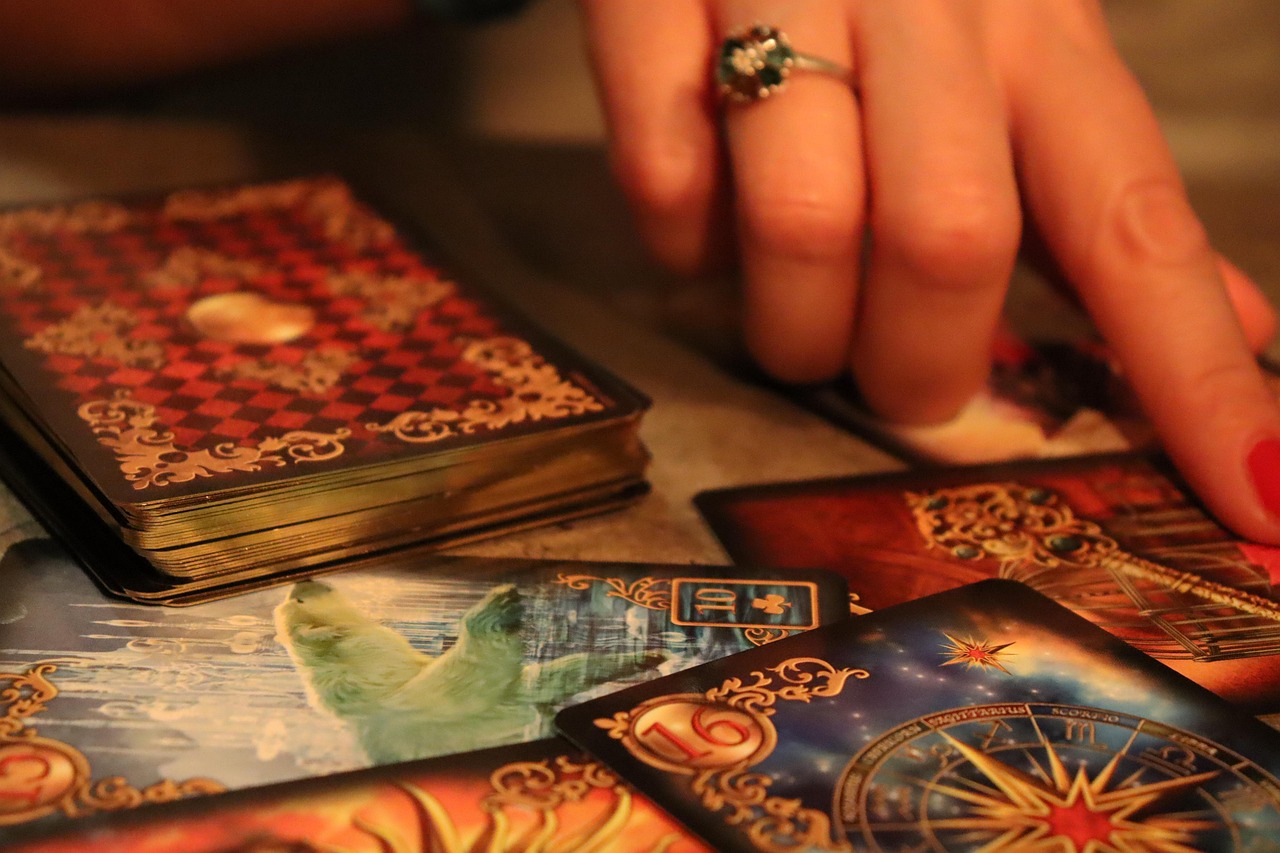
While traditional interpretations provide a solid foundation, the true magic of tarot combinations lies in intuition. No guidebook can capture the unique resonance of a reading like your own inner voice. When you draw a combination that feels puzzling, pause and ask yourself: What emotions does this evoke? What images or memories arise? For example, if The Hanged Man and Six of Swords appear together, you might intuitively sense a theme of surrender leading to transition, even if the traditional meanings don’t immediately align. Trusting your gut allows the cards to speak directly to your subconscious, revealing truths that logic alone might miss.
To cultivate this intuitive connection, practice daily with simple spreads. Draw two or three cards and spend a few minutes journaling about their combined energy. Notice any physical sensations, dreams, or sudden insights that arise. Over time, you’ll develop a personal lexicon of symbols that feels uniquely yours. Remember, the tarot is a mirror—it reflects not just the querent’s journey but your own as well. The more you engage with it intuitively, the more it will reveal its secrets to you.
Conclusion
Tarot card combinations are the threads that weave the tapestry of a reading, transforming individual cards into a cohesive story. From the intimate dialogues of two-card pairs to the sweeping narratives of larger spreads, each combination offers a window into the hidden currents of life. By studying the interplay of themes, elements, and symbols, you’ll unlock a deeper understanding of the tarot’s language—one that speaks in metaphors as rich and varied as the human experience itself. Whether you’re seeking clarity, guidance, or simply a moment of reflection, the art of reading combinations will transform your practice into a journey of discovery. Embrace the mystery, trust your intuition, and let the cards guide you toward insights that resonate with the soul.
FAQ
What are tarot card combinations?
Tarot card combinations refer to interpreting two or more cards together to reveal deeper, interconnected meanings beyond individual card interpretations.
How do elemental energies influence tarot card interactions?
Each tarot element (Fire, Water, Earth, Air) carries unique energies that affect how cards relate, either harmonizing or creating tension within a reading.
Why is card repetition important in tarot readings?
Repeated cards highlight significant themes or messages, emphasizing areas requiring attention or revealing persistent influences.
How can I develop intuition in tarot reading?
Regular practice, journaling insights, and reflecting on emotional responses to card combinations help strengthen intuitive tarot skills.
Leave a Reply