Short Answer
In this guide, you’ll explore the Ten of Cups Reversed, often described as the “fake happy” card in tarot readings. You’ll learn how to recognize this energy in your life, understand its deeper implications, and uncover the hidden truths behind superficial contentment. Whether you’re navigating relationships, personal growth, or emotional well-being, this card serves as a wake-up call to look beyond the surface. By the end, you’ll have the tools to identify and address the underlying issues masked by a facade of happiness.
The Illusion of Happiness: What the Ten of Cups Reversed Represents
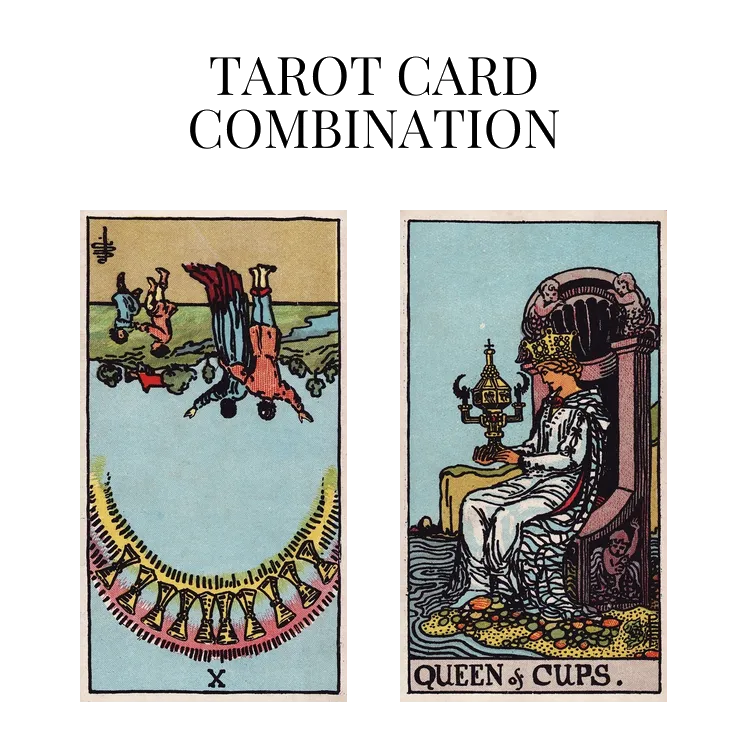
The Ten of Cups is traditionally associated with harmony, family bliss, and emotional fulfillment. When reversed, however, it reveals a stark contrast—an illusion of happiness that lacks authenticity. This card often appears when someone is putting on a show of contentment, whether in relationships, social media, or personal achievements, without truly feeling satisfied. The reversed Ten of Cups suggests that what seems perfect on the outside may be a carefully constructed facade to hide dissatisfaction, unresolved conflicts, or unmet emotional needs.
For example, a person might appear to have an ideal family life, complete with smiling photos and social media posts, but internally, they feel disconnected or unfulfilled. The reversed Ten of Cups exposes these discrepancies, urging you to question whether the happiness being displayed is genuine or merely a performance. It’s a reminder that true fulfillment comes from within, not from external validation or appearances.
Signs You’re Experiencing the “Fake Happy” Energy
Recognizing the reversed Ten of Cups in your life starts with identifying the subtle (or not-so-subtle) signs of forced happiness. One common indicator is the overemphasis on appearances—whether it’s maintaining a perfect social media profile, pretending to enjoy social gatherings when you’re truly miserable, or suppressing emotions to keep up with societal expectations. Another sign is the feeling of emptiness despite having everything you “should” want, such as a stable job, a partner, or financial security. This card highlights the disconnect between what you have and what you truly desire.
Additionally, the reversed Ten of Cups may manifest as a reluctance to address underlying issues. You might avoid difficult conversations, suppress your true feelings, or distract yourself with superficial pleasures to avoid confronting the reality of your emotional state. Pay attention to moments when you feel like you’re “going through the motions” without genuine joy or passion. These are red flags that the reversed Ten of Cups is at play.
The Deeper Reasons Behind the Fascination with Fake Happiness
Why are so many people drawn to the illusion of happiness, even when they know it’s not real? The reversed Ten of Cups points to several deeper reasons rooted in human psychology and societal pressures. One major factor is the fear of vulnerability. Admitting that you’re unhappy or struggling can feel risky, especially in a world that often rewards resilience and positivity. By presenting a happy facade, you protect yourself from judgment or disappointment, even if it means sacrificing authenticity.
Another reason is the pressure to conform to societal ideals. From a young age, many people are conditioned to believe that happiness equals success, and success is measured by external standards—wealth, relationships, or social status. The reversed Ten of Cups challenges this narrative, revealing that these external markers don’t guarantee inner peace. Instead, they can become chains that keep you trapped in a cycle of performative happiness. Recognizing this pattern is the first step toward breaking free from it.
How to Move Beyond the Illusion: Practical Steps
Breaking free from the reversed Ten of Cups requires a combination of self-awareness and intentional action. Start by acknowledging your true feelings without judgment. Journaling can be a powerful tool here—write down what you’re genuinely experiencing, even if it’s uncomfortable. Next, challenge the narratives that keep you trapped in fake happiness. Ask yourself: Who am I trying to impress with this facade? or What am I afraid would happen if I showed my true self? These questions can reveal the deeper fears driving your behavior.
It’s also essential to create space for authenticity. This might mean setting boundaries with people who only engage with you on a superficial level or reevaluating relationships where you feel the need to perform. Practice vulnerability in small, safe ways—share your true thoughts with a trusted friend or express a differing opinion in a group setting. Over time, these actions will help you rebuild trust in your own emotions and reduce the reliance on external validation.
Finally, focus on cultivating genuine sources of joy. Instead of chasing the next milestone or achievement, explore activities that bring you real fulfillment, whether it’s creative expression, spending time in nature, or deepening your spiritual practice. The reversed Ten of Cups thrives in environments where you’re disconnected from your true self, so reconnecting with what truly matters to you is key to healing.
Relationships and the Reversed Ten of Cups: When Love Feels Like a Performance
In romantic relationships, the reversed Ten of Cups can indicate a dynamic where one or both partners are putting on a show of happiness to avoid addressing underlying issues. This might look like staying in a relationship out of fear of loneliness, pretending to be satisfied when you’re not, or prioritizing appearances over emotional intimacy. The card serves as a warning that a relationship built on illusion will eventually crumble under the weight of unaddressed truths.
If you recognize this energy in your relationship, start by having honest conversations about your needs and expectations. It’s okay to admit that you’re not as happy as you seem—what matters is that you’re willing to work toward something real. If your partner is unwilling to engage in this process, it may be a sign that the relationship is built on shaky foundations. Remember, the reversed Ten of Cups isn’t about blame; it’s about recognizing when it’s time to let go of what isn’t serving you.
Conclusion: Embracing Authentic Happiness
The reversed Ten of Cups is a powerful reminder that happiness isn’t about appearances—it’s about alignment. When you strip away the illusions, you create space for real joy, connection, and fulfillment. This card challenges you to question the narratives you’ve been told about what success and happiness should look like, and to define those terms for yourself. It’s not about rejecting happiness altogether but about seeking it in its purest form.
If you’ve been living in the shadow of fake happiness, take this as an invitation to reconnect with your true self. Start small—be honest with yourself and others, prioritize authenticity over appearances, and seek out experiences that nourish your soul. The reversed Ten of Cups isn’t a punishment; it’s a wake-up call. By facing the truth, you open the door to a life that’s not just happy on the surface, but deeply and genuinely fulfilling.
FAQ
What does the Ten of Cups Reversed signify?
It signifies an illusion of happiness and a disconnect between one’s outward appearances and inner feelings.
How can I recognize fake happiness in my life?
Look for signs such as prioritizing appearances, feeling empty despite having what you ‘should’ want, and avoiding addressing underlying issues.
What steps can I take to move beyond fake happiness?
Acknowledge your true feelings, challenge societal narratives, practice vulnerability, and focus on activities that bring genuine joy.
Leave a Reply