Short Answer
In this comprehensive guide, you’ll explore the multifaceted concept of nostalgia as represented by “The 6 of Cups” tarot card. You’ll discover how nostalgia functions as a powerful emotional and psychological force, influencing memory, creativity, and even consumer behavior. Whether you’re a writer, marketer, or simply someone fascinated by the human experience, this article will provide insights into the different types of content that revolve around nostalgia, its cultural significance, and practical applications. By the end, you’ll have a deeper understanding of why nostalgia resonates so deeply across various mediums and how it can be harnessed effectively.
The Psychological Power of Nostalgia
Nostalgia is more than just a fond remembrance of the past; it’s a complex emotional state that serves psychological functions. Research in psychology suggests that nostalgia can combat loneliness, provide comfort during distress, and even boost self-esteem by reinforcing a sense of continuity in one’s life. When you engage with nostalgic content, your brain often releases dopamine, the “feel-good” neurotransmitter, which explains why revisiting the past can feel so rewarding. This emotional response is why nostalgia is frequently used in advertising, storytelling, and entertainment to create deep connections with audiences.
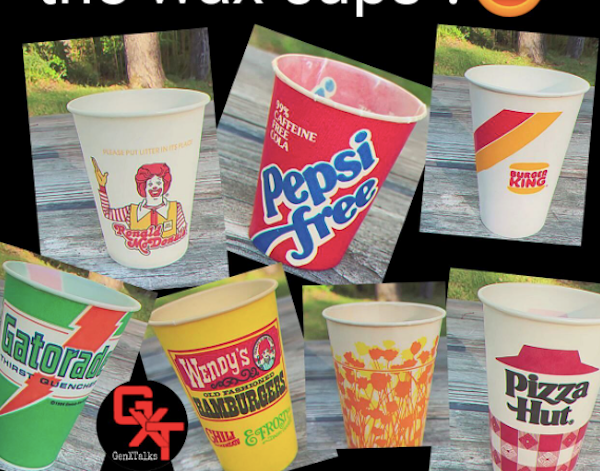
For example, retro-themed advertisements often leverage nostalgia to evoke positive emotions associated with childhood or past eras. Brands like Coca-Cola, Nintendo, and even fashion labels frequently tap into this sentiment to foster brand loyalty. Understanding the psychological underpinnings of nostalgia allows creators to craft content that resonates on a deeply personal level, making it a potent tool for engagement.
Nostalgia in Media and Entertainment
Media and entertainment are perhaps the most visible arenas where nostalgia thrives. From reboots of classic TV shows to sequels of beloved movies, creators often revisit past successes to appeal to audiences’ longing for familiarity. Streaming platforms like Netflix and Disney+ have capitalized on this trend by producing revivals of 90s and early 2000s content, such as “Fuller House” or “The Mandalorian.” These projects not only attract older fans but also introduce younger generations to the original works, creating a bridge between generations.
Video games are another prime example, with remastered editions of classics like “The Legend of Zelda: Ocarina of Time” or “Final Fantasy VII” allowing players to relive iconic moments with modern graphics and gameplay. Even music benefits from nostalgia, with artists sampling or covering older hits to evoke memories of the past. The rise of vinyl records and cassette tapes among younger audiences highlights a growing appreciation for the tactile and auditory experiences of bygone eras.
Nostalgia in Literature and Writing
Writers often use nostalgia as a narrative device to explore themes of memory, time, and identity. Memoirs and autobiographical works frequently delve into personal nostalgia, allowing readers to connect with the author’s experiences. For instance, books like “The Year of Magical Thinking” by Joan Didion or “A Moveable Feast” by Ernest Hemingway capture the essence of nostalgia through vivid recollections of past events and emotions. Fiction writers also employ nostalgia to ground stories in a specific time period, making the setting feel more authentic and immersive.
In poetry, nostalgia can be a powerful tool for evoking emotions and painting vivid imagery. Poets like Pablo Neruda and Mary Oliver have used nostalgic themes to explore loss, love, and the passage of time. Even in modern literature, authors like John Green and Rainbow Rowell incorporate nostalgic elements to resonate with readers who grew up in the 80s, 90s, or early 2000s. The key to effective nostalgic writing lies in balancing personal reflection with universal themes that readers can relate to.
Nostalgia in Art and Visual Culture
Artists have long drawn inspiration from the past, creating works that pay homage to earlier styles, techniques, or cultural movements. Retro art often blends vintage aesthetics with contemporary themes, resulting in pieces that feel both familiar and fresh. For example, street artists like Banksy and Shepard Fairey frequently reference pop culture from the 80s and 90s, using nostalgic imagery to comment on modern society. Similarly, digital artists on platforms like Instagram and Behance create nostalgic designs by mimicking the color palettes, fonts, and motifs of past decades.
Photography is another medium where nostalgia plays a significant role. Vintage filters, film grain effects, and analog cameras are popular among photographers seeking to recreate the look and feel of earlier eras. Social media trends like “Throwback Thursday” (#TBT) encourage users to share nostalgic photos, further cementing the role of visual culture in preserving and celebrating the past. These artistic expressions not only evoke memories but also serve as a bridge between generations, fostering a shared cultural language.

Nostalgia in Marketing and Branding
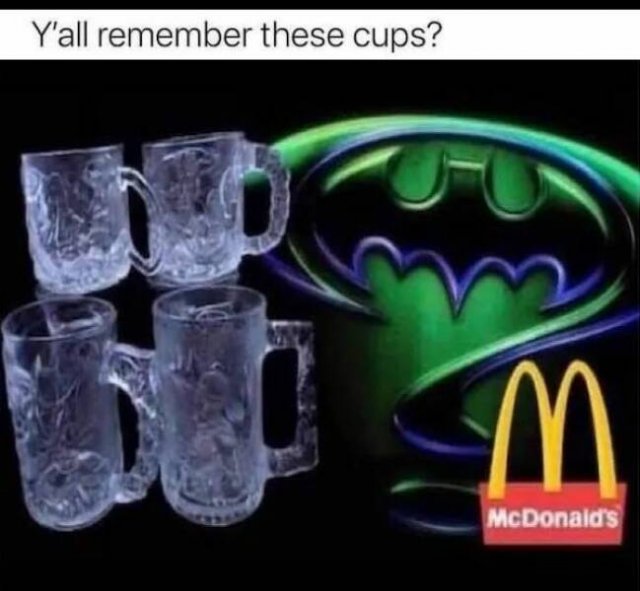
Marketers have long recognized the power of nostalgia in driving consumer behavior. By tapping into positive memories associated with a brand or product, companies can create emotional connections that foster loyalty and repeat purchases. For example, retro packaging designs, limited-edition re-releases, and collaborations with classic franchises are common strategies used to evoke nostalgia. Brands like Pepsi, McDonald’s, and LEGO have successfully leveraged nostalgia to appeal to both older consumers and younger audiences who are discovering these brands for the first time.
Nostalgia marketing isn’t limited to physical products; it also extends to digital experiences. Video game companies often release remastered versions of classic games, while fashion brands collaborate with designers from past decades to create modern takes on vintage styles. Even technology companies like Apple and Google have incorporated nostalgic elements into their products, such as retro-inspired interfaces or throwback advertisements. The key to successful nostalgia marketing is authenticity—consumers can quickly detect when a brand is merely exploiting nostalgia without genuine connection.
Nostalgia in Social Media and Digital Content
Social media platforms have become hubs for nostalgic content, where users share memories, trends, and cultural artifacts from the past. Platforms like TikTok, Instagram, and YouTube are filled with videos, photos, and challenges that revisit trends from the 90s, 2000s, and early 2010s. For example, TikTok trends like “Get Ready With Me” videos often feature nostalgic elements, such as using products from a specific era or recreating iconic looks from past decades. Memes, too, thrive on nostalgia, with creators remixing and repurposing old images or references to evoke laughter and recognition.
Digital content creators often curate nostalgic experiences for their audiences, whether through podcasts that discuss past events, YouTube channels dedicated to retro gaming, or blogs that explore the history of music, fashion, or technology. These creators tap into a shared cultural language, allowing audiences to relive moments from their childhood or adolescence. The rise of “vintage” aesthetics on social media, such as the resurgence of Y2K fashion or 90s grunge, further highlights the cyclical nature of trends and the enduring appeal of nostalgia.
Conclusion
Nostalgia is a multifaceted phenomenon that permeates nearly every aspect of human culture. From psychology to media, literature to marketing, its influence is undeniable and far-reaching. By understanding the different types of nostalgic content and their impact, you can better appreciate why the past holds such a powerful allure. Whether you’re creating content, crafting a brand strategy, or simply exploring your own memories, nostalgia offers a rich tapestry of emotions and experiences to draw from. Embrace its power, but do so thoughtfully—authenticity and emotional resonance are key to making nostalgia work for you.
FAQ
What does the 6 of Cups represent in tarot?
The 6 of Cups represents nostalgia, memories, and the emotional connections we have with our past.
How can nostalgia be beneficial?
Nostalgia can combat loneliness, boost self-esteem, and enhance emotional well-being by reinforcing a sense of continuity.
Leave a Reply