Short Answer
This guide explores the duality of the Archeon Archer and Architect—a metaphorical fusion of precision and creation, destruction and construction. You’ll discover how these archetypes transcend their traditional roles to embody deeper philosophical and artistic principles. From their symbolic significance to their cultural impact, this exploration reveals why their juxtaposition is so compelling. By the end, you’ll understand how these figures challenge perceptions and inspire creativity in unexpected ways.
The Archeon Archer: Precision as an Art Form
The Archeon Archer represents the mastery of focus and execution, where every action is deliberate and every movement carries weight. Unlike conventional archers, this figure transcends mere skill—it becomes a metaphor for life’s challenges, where the archer’s arrow symbolizes the pursuit of clarity amidst chaos. The act of drawing the bowstring mirrors the tension between potential and realization, a moment frozen in anticipation before release. This precision is not just physical but philosophical; it reflects the archer’s ability to navigate uncertainty with unwavering intent.
Visually, the Archeon Archer often embodies sleek, streamlined designs that emphasize efficiency and elegance. The bow itself may be ornate, suggesting a fusion of artistry and functionality, while the archer’s stance exudes confidence and control. In many interpretations, the archer is depicted in dynamic poses, frozen mid-action, capturing the essence of a fleeting yet decisive moment. This imagery resonates with the idea that life’s most critical decisions are often made in split seconds, where precision determines outcome.

The Architect: Building Worlds from Chaos
The Architect stands in stark contrast to the Archer, yet their roles are intrinsically linked. Where the archer embodies precision, the architect represents creation—the deliberate shaping of raw materials into something meaningful. This figure is not just a builder of structures but a visionary who transforms abstract ideas into tangible reality. The architect’s tools—plans, blueprints, and calculations—symbolize the power of foresight and the ability to see the future in the present. Their work is a testament to human ingenuity, where order emerges from disorder.
Architectural designs often reflect the architect’s personality and philosophy. A grand cathedral might symbolize aspiration and spirituality, while a minimalist skyscraper could represent efficiency and modernity. The architect’s challenge lies in balancing form and function, aesthetics and utility. This duality mirrors the human experience, where creativity must coexist with practicality. The architect, therefore, becomes a metaphor for the human spirit’s relentless drive to impose order on a chaotic world.
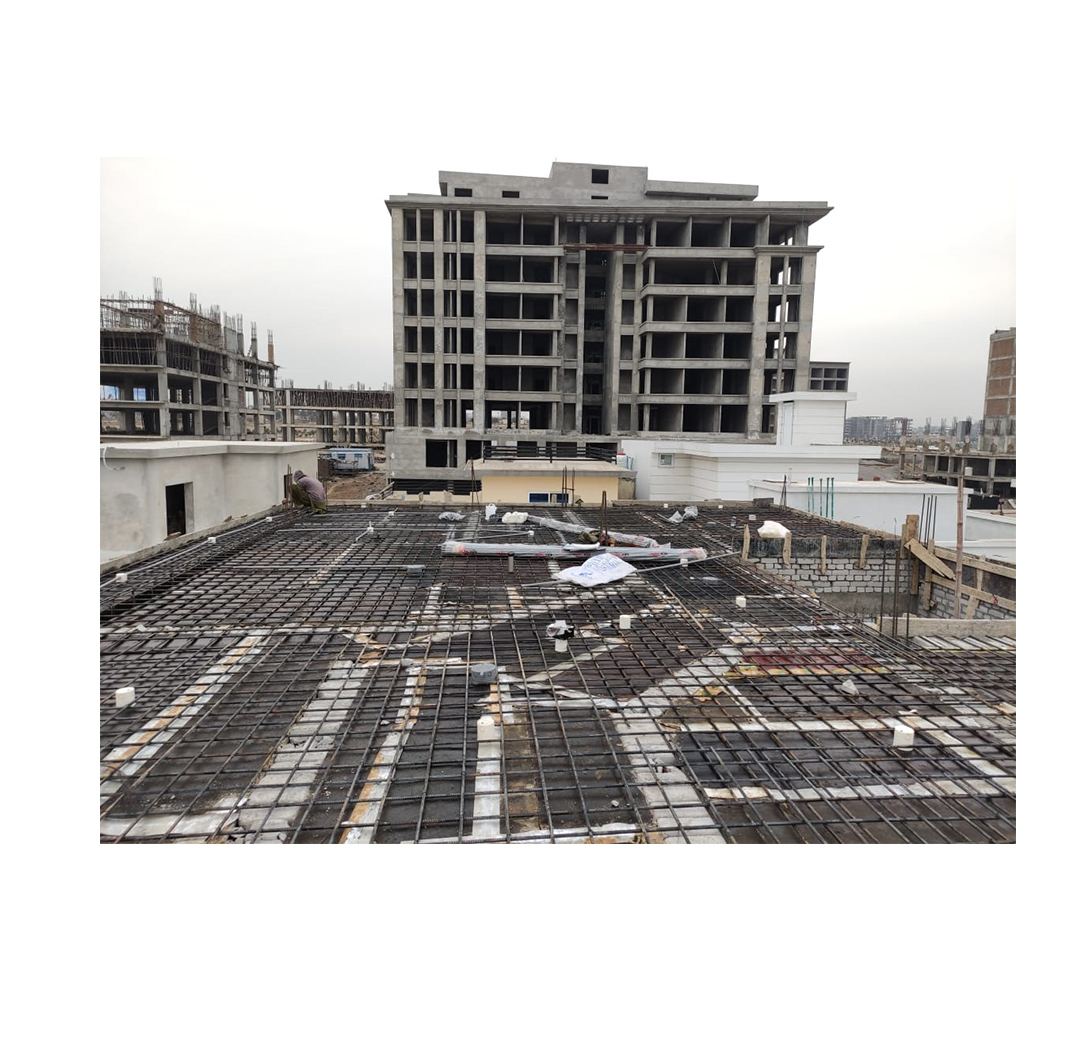
The Duality: Where Archer Meets Architect
The true intrigue of the Archeon Archer and Architect lies in their interplay—a dance between destruction and creation, chaos and order. The archer’s arrow, when released, can shatter barriers, clear paths, or even destroy obstacles. Yet, in the aftermath, the architect steps in to rebuild, to redefine, to give new purpose to what was once broken. This cycle is a powerful metaphor for resilience and renewal, illustrating how setbacks can lead to transformation.
Consider the archer’s role in clearing a path through a dense forest. The arrows cut through the undergrowth, making way for the architect’s vision—a bridge, a road, or a sanctuary. The archer’s precision paves the way for the architect’s creativity, creating a symbiotic relationship where each figure’s strengths complement the other. This dynamic is evident in storytelling, where characters often embody both traits, evolving from one to the other as the narrative unfolds.
In art and literature, this duality is frequently explored through contrasting visuals. The archer might be depicted in dark, earthy tones, evoking a sense of primal instinct, while the architect is shown in clean, geometric lines, symbolizing order and intellect. Together, they represent the full spectrum of human experience—instinct and intellect, destruction and creation, chaos and harmony.
Cultural and Philosophical Significance
Across cultures, the themes embodied by the Archeon Archer and Architect resonate deeply. In Greek mythology, Apollo, the archer god, represents both healing and destruction, while Hephaestus, the architect of the gods, crafts the tools and structures that shape their world. This juxtaposition highlights the balance between opposing forces—light and dark, creation and destruction. Similarly, in Eastern philosophy, the concept of yin and yang reflects this interplay, where opposites are interconnected and give rise to each other.
The Archeon Archer and Architect also serve as metaphors for personal growth. The archer’s journey is one of self-mastery, where discipline and focus lead to mastery over one’s environment. The architect’s path is one of vision and execution, where ideas are transformed into reality through persistence and ingenuity. Together, they embody the human capacity to overcome challenges and create meaning from adversity.
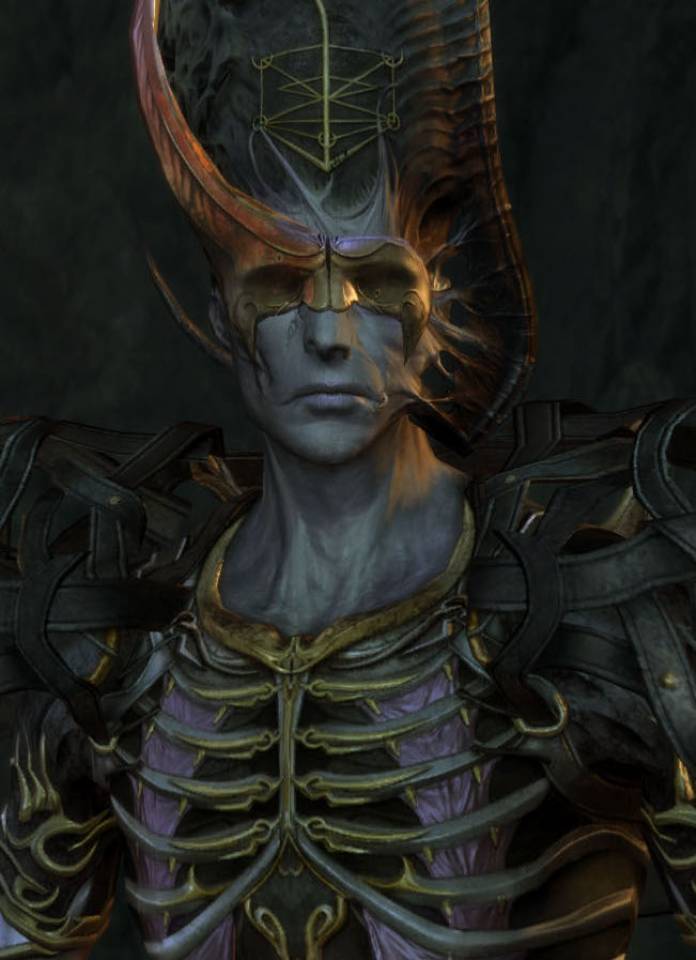
The Unique Appeal: Why This Duality Resonates
The enduring appeal of the Archeon Archer and Architect lies in their versatility. They can be heroes, villains, or complex antiheroes, depending on the narrative. The archer might be a lone warrior fighting against tyranny, while the architect could be a tyrant imposing order through oppression. Alternatively, the archer could be a guardian, protecting a sacred space that the architect is tasked with preserving or transforming. This adaptability allows the figures to transcend genres, appearing in fantasy, science fiction, historical dramas, and even contemporary stories.
Visually, their appeal is undeniable. The archer’s silhouette—lean, agile, and poised—evokes a sense of motion and purpose. The architect’s designs, whether grand cathedrals or futuristic cities, inspire awe and wonder. When combined, their imagery creates a striking contrast that captivates audiences. This visual duality is often used in media to convey themes of conflict, balance, or transformation.
Moreover, the Archeon Archer and Architect challenge traditional gender roles and archetypes. The archer is not confined to the stoic male warrior; it can be a woman, a non-binary figure, or even an AI-driven entity. Similarly, the architect is not limited to the older, wise male figure but can be a young prodigy, a collective of minds, or a sentient machine. This inclusivity broadens their appeal, making them relatable to diverse audiences.
Conclusion
The Archeon Archer and Architect are more than just characters or symbols—they are embodiments of fundamental human experiences. The archer represents the precision required to navigate life’s challenges, while the architect symbolizes the creativity needed to shape the future. Together, they form a dynamic duo that reflects the cyclical nature of existence: destruction paves the way for creation, chaos gives rise to order, and challenges lead to growth.
Whether in art, literature, or philosophy, their duality offers a rich tapestry of meaning. They remind us that life is a balance of opposing forces, where every end is a new beginning, and every creation is built upon the remnants of what came before. By embracing both the archer’s precision and the architect’s vision, we can find harmony in the chaos and purpose in the unknown.
FAQ
What is the significance of the Archeon Archer?
The Archeon Archer symbolizes precision and focus, representing the mastery of navigating life’s challenges.
What does the Architect represent?
The Architect embodies creation, transforming raw materials into meaningful structures and visions.
How do the Archer and Architect relate to each other?
They represent a duality of destruction and creation, illustrating a cycle where obstacles are cleared for new possibilities.
Leave a Reply