Short Answer
Welcome to a journey into the realms of myth and symbolism, where the imagery of The Awakening and The Bark Knight on a Horse converges to spark transformation and ignite curiosity. In this guide, we explore how these powerful visuals serve as metaphors for change, resilience, and the untapped potential within each of us. Whether you’re drawn to the mystique of armored knights or the symbolic resonance of awakening, this exploration will illuminate the deeper meanings behind these timeless motifs. Prepare to uncover how these images promise a shift in perspective and why they continue to captivate the human imagination.
The Symbolism of the Knight on a Horse
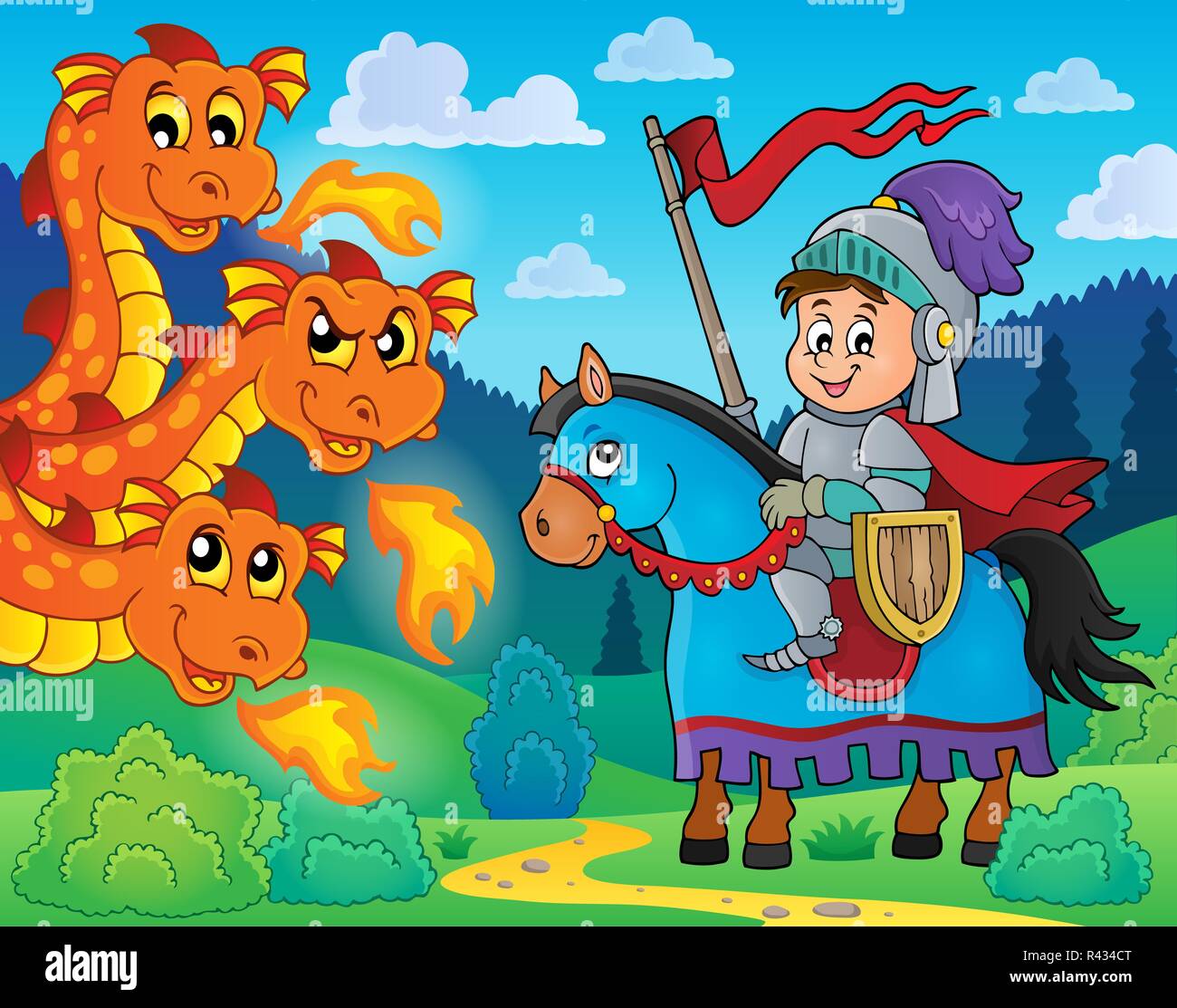
The image of a knight mounted on a horse is one of the most enduring symbols in art, literature, and mythology. Historically, knights represented chivalry, honor, and duty, while the horse symbolized strength, freedom, and nobility. Together, they embody the ideal of a warrior who is both disciplined and powerful, ready to face challenges with courage. In modern interpretations, the knight on a horse often transcends its medieval roots to represent personal transformation. The horse, in particular, is a metaphor for untamed potential—raw energy that, when harnessed, can propel the knight (or the individual) toward greatness. This duality makes the imagery particularly compelling, as it suggests a balance between control and wild, untapped power.
In psychological and spiritual contexts, the knight can symbolize the conscious mind, while the horse represents the subconscious or primal instincts. The act of riding the horse then becomes a metaphor for mastering one’s inner drives and channeling them toward a higher purpose. This interpretation aligns with the idea of The Awakening, where the individual recognizes their latent potential and takes deliberate action to harness it. The knight’s armor, often ornate and protective, further emphasizes the theme of preparation and resilience, suggesting that true strength comes from both external readiness and internal fortitude.
The Concept of The Awakening: A Shift in Perspective
The Awakening is a profound concept that transcends cultural and historical boundaries. At its core, it represents a moment of clarity—a sudden realization that alters one’s understanding of themselves and the world around them. This awakening can be triggered by various experiences: a near-death encounter, a profound loss, a moment of deep introspection, or even an artistic revelation. The imagery of a knight on a horse aligns seamlessly with this theme, as it visually encapsulates the idea of movement, progress, and the journey toward self-discovery.
In many traditions, awakening is associated with enlightenment, where the individual sheds old illusions and embraces a new, more authentic way of being. The knight’s armor, often depicted as gleaming and unyielding, can symbolize the layers of conditioning and societal expectations that must be stripped away to reveal the true self. The horse, meanwhile, represents the path forward—the journey that requires both the rider’s guidance and the horse’s instinctive wisdom. Together, they illustrate the dynamic interplay between discipline and intuition, a balance that is essential for any transformative experience.
Visually, the knight on a horse during an awakening might be depicted in a state of motion, galloping toward an unknown horizon. This conveys a sense of urgency and purpose, emphasizing that awakening is not a passive experience but an active one. It demands courage, adaptability, and a willingness to confront the unknown. The imagery also suggests that the journey is ongoing, with each step forward bringing new insights and challenges. This resonates with the idea that awakening is not a destination but a continuous process of growth and evolution.
The Bark Knight: A Modern Twist on Tradition
The term The Bark Knight introduces a contemporary twist to the classic knight imagery, infusing it with a sense of mystery and modernity. While the traditional knight is often associated with medieval Europe, the Bark Knight can be seen as a fusion of old and new, blending historical symbolism with contemporary themes. The word “bark” itself carries multiple meanings—it can refer to the outer covering of a tree, the sound a dog makes, or even the act of a ship’s bow cutting through water. Each of these interpretations adds a layer of depth to the imagery, suggesting resilience, communication, and forward momentum.
In artistic representations, the Bark Knight is often depicted with a cloak billowing dramatically, as if caught in a storm or riding the winds of change. This visual motif reinforces the idea of resilience and adaptability, qualities that are essential in times of transformation. The cloak, too, can symbolize protection and mystery, hinting at the hidden depths within the knight. The horse, in this context, may be portrayed with a fiery mane or glowing eyes, further emphasizing the theme of untamed power and the potential for awakening.
One of the most intriguing aspects of the Bark Knight is its ability to evoke curiosity. Unlike the traditional knight, who is often seen as a static figure of honor, the Bark Knight feels alive and dynamic. The imagery invites the viewer to ask: Who is this knight? What is their story? What challenges have they overcome to reach this moment? These questions are central to the experience of awakening, as they encourage introspection and self-discovery. The Bark Knight, therefore, serves as a powerful metaphor for the individual’s journey toward self-realization, where each step forward is both a challenge and an opportunity for growth.

How These Imagery Promises a Shift in Perspective
The power of The Awakening and The Bark Knight on a Horse lies in their ability to provoke a shift in perspective. When we engage with these images, we are not merely observing a scene; we are invited to project our own experiences and emotions onto them. This process of projection is what makes the imagery so compelling—it acts as a mirror, reflecting our deepest desires, fears, and aspirations. For those undergoing a period of transformation, these visuals can serve as a reminder that change is not only possible but necessary for growth.
The knight on a horse, in particular, embodies the idea of overcoming obstacles. Whether the knight is charging into battle or calmly riding toward the horizon, the image conveys a sense of purpose and determination. This can be incredibly motivating for individuals who feel stuck or uncertain about their path. The imagery suggests that progress is not linear but cyclical, with each challenge serving as a stepping stone toward greater understanding. The Bark Knight, with its modern and dynamic aesthetic, reinforces this idea by emphasizing the importance of adaptability and resilience in the face of change.
Moreover, these images often incorporate elements of contrast—light and dark, movement and stillness, control and chaos. This juxtaposition is key to their ability to shift perspective, as it forces the viewer to confront dualities within themselves. For example, the knight’s armor may represent the structures we build to protect ourselves, while the horse symbolizes the wild, untamed aspects of our nature. By acknowledging both, we can achieve a more balanced and integrated sense of self. This process of integration is at the heart of awakening, where the individual learns to embrace all aspects of their being, both light and shadow.
Piquing Curiosity: The Role of Mystery and Ambiguity
Curiosity is a driving force behind human growth and exploration, and the imagery of the knight on a horse excels at piquing it. The ambiguity inherent in these visuals—whether it’s the knight’s identity, the horse’s origins, or the destination—invites the viewer to fill in the blanks with their own interpretations. This open-endedness is what makes the imagery so universally resonant. It allows each person to connect with the symbolism on a personal level, making the experience deeply meaningful and unique.
The Bark Knight, in particular, thrives on this ambiguity. Its modern and unconventional aesthetic leaves room for interpretation, whether it’s seen as a guardian of the threshold, a harbinger of change, or a symbol of personal reinvention. The imagery does not provide clear answers but instead poses questions: What is the knight’s mission? What challenges have they faced? What lies ahead on the horizon? These unanswered questions fuel the viewer’s imagination, encouraging them to explore their own narratives and aspirations. In this way, the imagery acts as a catalyst for introspection and self-discovery.
Additionally, the use of dramatic lighting, dynamic poses, and symbolic elements like capes, swords, or glowing eyes further enhances the sense of mystery. These details draw the viewer in, creating a visual experience that is both captivating and thought-provoking. The imagery becomes a gateway to deeper reflection, prompting the viewer to consider their own journey and the transformations they have undergone or aspire to achieve. This interplay between the visual and the introspective is what makes the knight on a horse such a powerful symbol of awakening and curiosity.
Conclusion
The imagery of The Awakening and The Bark Knight on a Horse is far more than a collection of visual motifs—it is a gateway to transformation, resilience, and self-discovery. Through the symbolism of the knight and the horse, we are reminded of the power of harnessing our inner strength, embracing change, and embarking on a journey of growth. These images promise a shift in perspective by challenging us to confront our dualities, question our assumptions, and explore the depths of our potential. They pique our curiosity by leaving room for interpretation, inviting us to project our own stories onto their timeless narratives.
Whether you are drawn to the traditional chivalry of the knight or the modern mystique of the Bark Knight, the underlying message remains the same: awakening is a journey, not a destination. It requires courage, adaptability, and a willingness to confront the unknown. As you reflect on these images, consider how they resonate with your own experiences and aspirations. What does the knight within you look like? What challenges have you overcome, and what lies ahead on your path? The answers to these questions may just be the key to your next awakening.
FAQ
What does the knight on a horse symbolize in tarot?
In tarot, the knight on a horse symbolizes courage, movement, progress, and the mastery of inner drives, representing a journey toward self-discovery and transformation.
What is the meaning of 'The Awakening' in tarot symbolism?
'The Awakening' refers to a moment of clarity and transformation where an individual recognizes their latent potential and embarks on a path of personal growth and enlightenment.
How does 'The Bark Knight' differ from traditional knight imagery?
'The Bark Knight' introduces modern symbolism combining resilience, communication, and adaptability, blending traditional knight themes with contemporary interpretations of transformation.
Leave a Reply