Short Answer
Welcome to a deep exploration of the Death Tarot card—one of the most misunderstood and fascinating cards in the Major Arcana. Whether you’re a seasoned tarot reader or a curious beginner, this guide will help you understand its true energy, symbolism, and the deeper reasons behind its enduring fascination. By the end, you’ll see why the Death card is not about literal endings, but about transformation, rebirth, and profound personal evolution.
The Death Tarot Card: More Than Meets the Eye
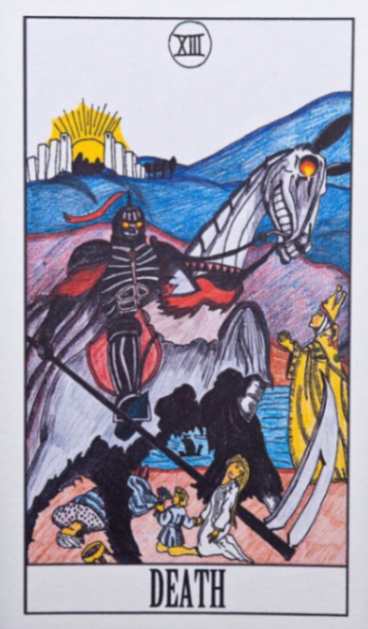
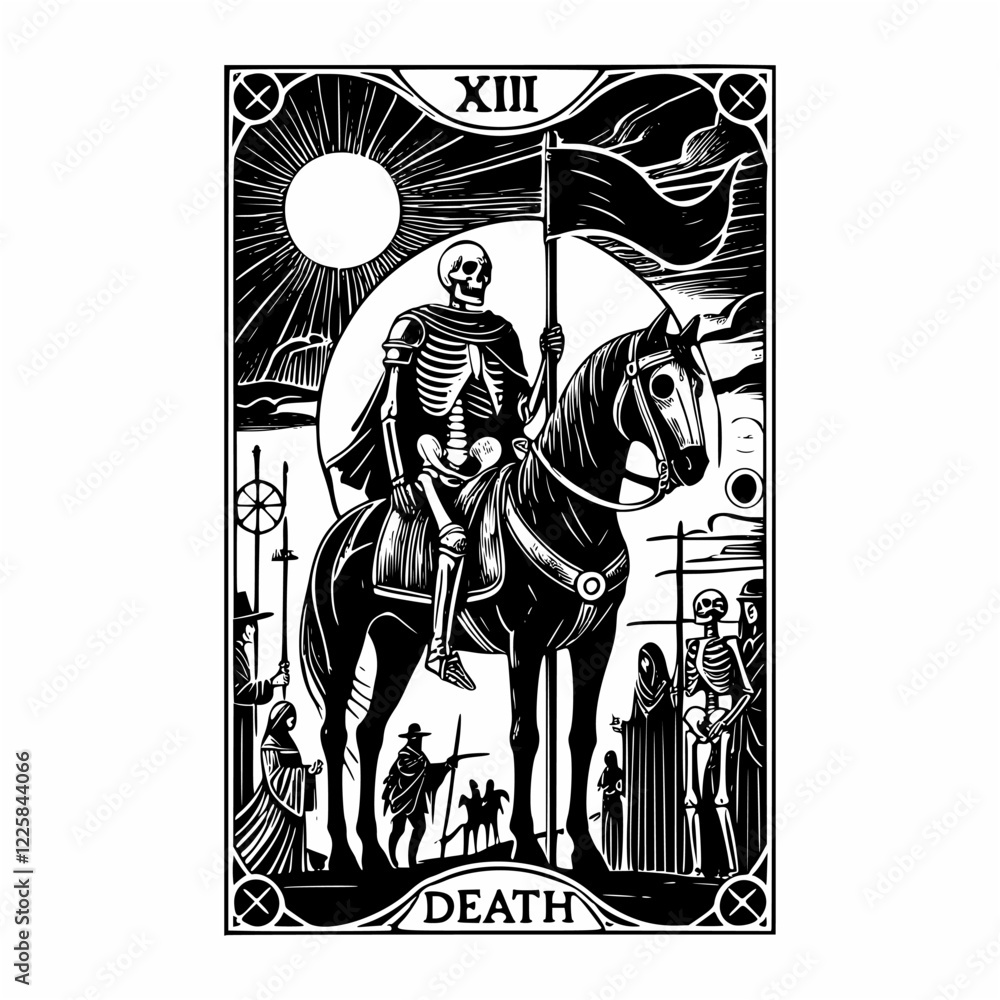
The Death card, often numbered XIII in the Major Arcana, is frequently met with apprehension or fear. Its skeletal figure riding a white horse, often carrying a black banner adorned with a white rose, is a striking image that evokes thoughts of loss and finality. However, this card rarely signifies physical death. Instead, it represents the end of a cycle, a necessary transformation that paves the way for renewal. This card invites us to release what no longer serves us—old habits, toxic relationships, or limiting beliefs—so that we can grow and evolve.
In many tarot decks, the Death card is depicted with a sense of solemnity and inevitability, but also with a subtle promise of hope. The rising sun in the background, for example, symbolizes the dawn of a new day, suggesting that what appears to be an ending is actually the precursor to a fresh start. The white rose on the banner is another powerful symbol, representing purity, spiritual awakening, and the beauty that can emerge from difficult transitions.
Why Are People So Fascinated by the Death Card?
The Death card’s allure lies in its paradoxical nature. It is both feared and revered, avoided yet sought out for its transformative potential. This fascination stems from a universal human experience: the fear of change and the simultaneous desire for growth. People are drawn to the Death card because it speaks to the inevitability of transformation in life. Whether it’s the end of a career, the dissolution of a relationship, or the shedding of an old identity, the Death card mirrors the cycles of life that everyone encounters.
Additionally, the Death card’s imagery taps into deep psychological and mythological themes. The skeletal figure is reminiscent of the Grim Reaper, a cultural symbol of mortality, but also of the Greek god Hades and the Hindu deity Yama, both of whom govern transitions between life and death. This archetypal resonance makes the card feel timeless and universally relatable. People are captivated by the idea that endings are not just losses, but gateways to something greater.
Another reason for its fascination is the card’s role as a harbinger of personal power. The Death card often appears when someone is on the cusp of a major breakthrough, but the fear of the unknown can be paralyzing. By confronting the energy of this card, individuals are forced to ask themselves: What am I holding onto that is no longer serving me? What parts of my life need to die so that I can truly live? This introspection is both challenging and empowering, which is why the Death card continues to captivate tarot enthusiasts.
Understanding the Symbolism of the Death Card
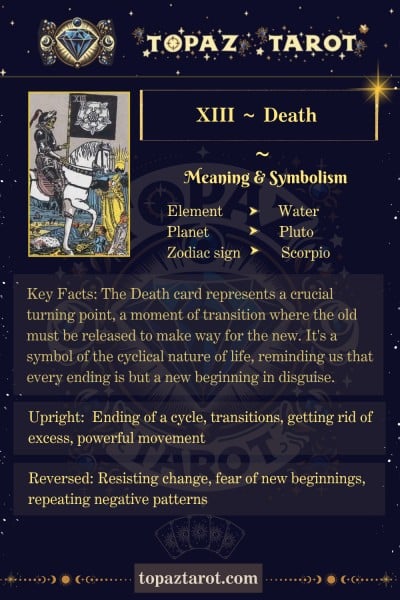
The Death card is rich with symbolism, each element offering insight into its deeper meaning. The skeletal figure, often depicted as a knight or a king, represents the impersonal nature of change. Death does not discriminate; it comes for all, regardless of status or wealth. This underscores the card’s message that transformation is a natural part of life, not something to be feared but something to be embraced.
The white horse symbolizes purity, strength, and the unstoppable force of change. Unlike a black horse, which might represent darkness or negativity, the white horse suggests that the transformation brought by the Death card is clean and purposeful. The rider’s armor, often ornate, indicates that this process is not chaotic but deliberate and even sacred.
The black banner with the white rose is perhaps the most symbolic element. The black banner represents the unknown, the void that precedes rebirth, while the white rose stands for hope, spiritual awakening, and the beauty that can emerge from darkness. Together, they suggest that even in the most challenging transitions, there is potential for grace and renewal.
The falling figures in some depictions of the Death card—often people of different ages and statuses—symbolize the universality of change. No one is exempt from the cycles of life, and the Death card reminds us that endings are a shared human experience. The rising sun in the background further reinforces this idea, signaling that every ending is followed by a new beginning.
How to Work with the Energy of the Death Card
Encountering the Death card in a tarot reading can feel daunting, but it is also an invitation to harness its transformative energy. Here are some ways to work with this powerful card:
Release and Let Go: The Death card asks you to identify what no longer serves you. This could be a toxic relationship, a dead-end job, or a self-limiting belief. Write down what you’re ready to release and visualize it dissolving. Rituals like burning the paper (safely) or burying it can help symbolize this release.
Embrace Change: Change is often resisted because it feels uncertain, but the Death card teaches that transformation is necessary for growth. Ask yourself: What areas of my life feel stagnant? What am I resisting that needs to evolve? Trust that the universe is guiding you toward a better version of yourself.
Practice Self-Reflection: The Death card is a call to look inward. Journaling can be a powerful tool here. Reflect on the past year: What have you outgrown? What lessons have you learned? How can you apply these insights to move forward?
Trust the Process: The Death card reminds us that endings are not failures but part of a larger cycle. If you’re going through a difficult transition, remind yourself that it’s leading you somewhere better. The discomfort you feel is temporary, but the growth it fosters is permanent.
Use Affirmations: Affirmations can help shift your mindset when working with the Death card’s energy. Try repeating phrases like, “I release what no longer serves me,” “I trust the process of transformation,” or “I welcome new beginnings with open arms.”
Common Misconceptions About the Death Card
Despite its clear symbolism, the Death card is often misunderstood. Here are some of the most common misconceptions and why they’re incorrect:
Misconception: The Death card means someone will die.
Reality: While the Death card can indicate literal death in rare cases, it almost always refers to metaphorical endings—such as the end of a phase, a relationship, or a way of thinking. Tarot readers emphasize that the card is about transformation, not tragedy.
Misconception: The Death card is always negative.
Reality: The Death card is not inherently negative. It is a card of change, and change can be both challenging and liberating. The key is to approach it with an open mind and heart, recognizing that it brings opportunities for growth.
Misconception: The Death card is rare in readings.
Reality: The Death card appears more frequently than many people realize. Its presence in a reading often signals a significant shift or transition, which is a natural part of life. It’s not something to fear but something to prepare for.
Misconception: The Death card is only about loss.
Reality: While loss is a part of the Death card’s energy, it is not the whole story. The card is equally about rebirth, renewal, and the emergence of something new. It’s a reminder that every ending creates space for a new beginning.
Conclusion: The Death Card as a Guide, Not a Warning
The Death card is one of the most profound and misunderstood cards in the tarot deck. Far from being a harbinger of doom, it is a symbol of transformation, rebirth, and the natural cycles of life. Its energy invites us to release what no longer serves us, trust the process of change, and embrace the new beginnings that follow.
Whether the Death card appears in a reading or captures your curiosity, remember that its message is ultimately one of hope. It reminds us that endings are not the end of the story but the beginning of something greater. By working with its energy, we can navigate life’s transitions with courage, grace, and a deeper understanding of our own power to evolve.
The Death card teaches us that to grow, we must sometimes let go. And in that letting go, we find the space to become who we are meant to be.
FAQ
What does the Death Tarot card mean?
The Death Tarot card represents transformation, endings, and new beginnings, rather than literal death.
Is the Death card always negative?
No, the Death card indicates change, which can be both challenging and liberating.
How can I work with the energy of the Death card?
You can release what no longer serves you, embrace change, and practice self-reflection.
Leave a Reply