Short Answer
Welcome to this deep dive into the enigmatic figures of The Death The Devil and The Emperor—two characters shrouded in mystery, power, and symbolic significance. Whether you’re a lore enthusiast, a creative writer, or simply curious about their roles in mythology, folklore, or modern media, this guide will explore their origins, appearances, symbolic meanings, and even pose a playful challenge to test your understanding. By the end, you’ll see these entities not just as figures of darkness and authority, but as complex archetypes that challenge our perceptions of good, evil, and the balance between them.
The Death The Devil: The Shadow That Defines the Light
The Death The Devil is a fascinating duality—a being that embodies both destruction and revelation. Often depicted as a skeletal figure wielding a scythe or surrounded by flames, this entity is not merely an agent of doom but a harbinger of transformation. In many traditions, death is not the end but a transition, and the devil—often misunderstood as purely malevolent—can symbolize the necessary chaos that precedes rebirth.
Visually, The Death The Devil is frequently rendered in dark, gothic tones, with red eyes, tattered robes, and a crown of thorns or a halo of fire. Some interpretations show this figure with a sly grin, suggesting a playful, almost mischievous role in the cosmic order. This duality invites a question: Is The Death The Devil a punisher, a teacher, or both? The answer may lie in the perspective of the observer.
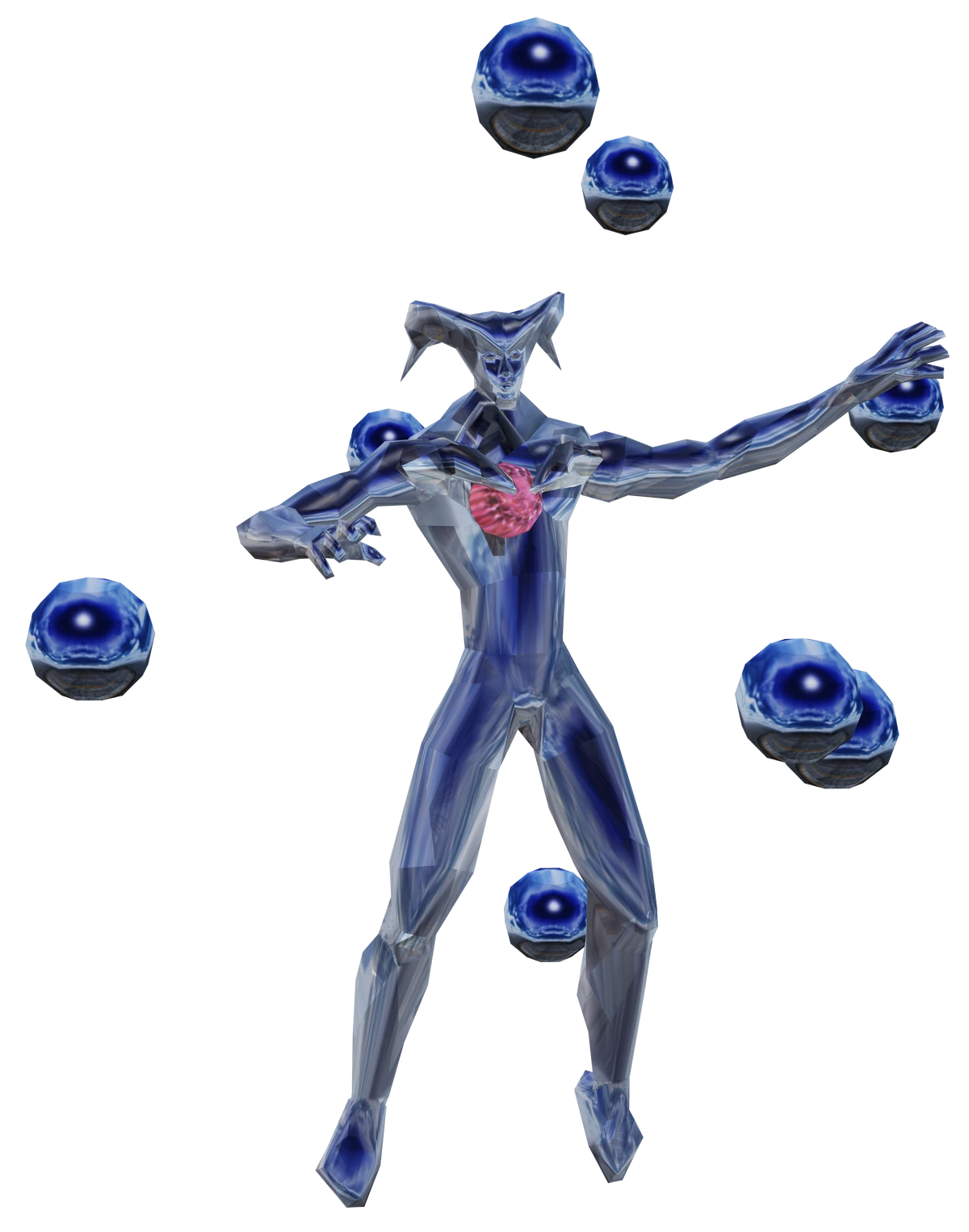
The Emperor: The Crowned Archetype of Authority
Opposite to The Death The Devil, The Emperor stands as the pinnacle of order, structure, and rulership. Clad in regal attire, often with a crown, scepter, and a throne, this figure represents stability, leadership, and the establishment of systems. In tarot, The Emperor is the card of authority and discipline, while in mythology, he may appear as a king, a god, or a cosmic ruler overseeing the balance of the universe.
The Emperor’s pose is almost always commanding—whether seated on a throne, standing with a sword, or holding a globe. His gaze is steady, his posture unyielding, symbolizing the unshakable nature of power and tradition. Yet, this power is not without its complexities. The Emperor can also represent rigidity, oppression, or the burden of responsibility. Is he a protector or a tyrant? The answer often depends on the narrative in which he appears.

Symbolic Clash: Death vs. Emperor in Myth and Media
The interplay between The Death The Devil and The Emperor is a rich field for exploration. In some stories, they are adversaries—one representing the end of all things, the other the preservation of life and order. In others, they are two sides of the same coin, where death is not the enemy of the emperor but a necessary part of his reign. For example, in certain Eastern philosophies, the Emperor of Heaven governs life and death, while in Western esotericism, The Devil and Death may be seen as forces that test the Emperor’s resolve.
In modern media, these figures often appear in games, literature, and art. The Emperor might be a wise ruler in a fantasy epic, while The Death The Devil lurks in the shadows, waiting to claim souls. Alternatively, The Emperor could be a tyrant whose downfall is orchestrated by The Death The Devil, who acts as a liberator. This dynamic creates endless narrative possibilities, making these characters endlessly fascinating to analyze.
Poses and Power: How Stance Shapes Perception
The way these figures are posed can drastically alter their perceived roles. The Death The Devil, for instance, might be shown mid-laugh, scythe raised, or crouched like a predator—each pose evoking different emotions. A playful, almost dancing stance could suggest a trickster, while a menacing, towering posture reinforces his role as a bringer of doom.
Similarly, The Emperor’s pose can range from benevolent to tyrannical. A seated, open-handed gesture might symbolize wisdom and generosity, while a clenched fist or a raised sword could indicate oppression or war. These visual cues are not arbitrary; they are carefully crafted to influence how we interpret these characters. Artists and storytellers use pose to guide the audience’s emotional response, making it a critical element in their portrayal.
The Ultimate Challenge: Can You Balance Them?
Here’s a playful challenge for you: Imagine a scenario where The Death The Devil and The Emperor must coexist. How would their powers interact? Would The Emperor attempt to control death, or would The Death The Devil seek to undermine the Emperor’s rule? Write a short scene or draw a comic strip exploring this dynamic. Consider the following questions:
- What happens when the Emperor’s laws clash with The Death The Devil’s inevitability?
- Can The Emperor’s order exist without The Death The Devil’s chaos?
- Is there a middle ground where both figures can serve a higher purpose?
This exercise isn’t just creative—it’s a way to understand the deeper themes these characters represent. After all, the balance between order and chaos, life and death, is what shapes the narratives we tell and the worlds we inhabit.
Conclusion
The Death The Devil and The Emperor are more than just characters; they are archetypes that reflect our deepest fears, hopes, and questions about existence. The Death The Devil challenges us to confront the unknown, while The Emperor reminds us of the structures we build to find meaning in that unknown. Together, they form a duality that is as old as storytelling itself.
Whether you see them as adversaries, allies, or reflections of each other, their presence in myth, art, and media ensures that they will continue to captivate and inspire. So the next time you encounter these figures—whether in a painting, a game, or a dream—ask yourself: What role do they play in the story of your own life?
FAQ
What do The Death and The Devil represent?
They embody chaos, transformation, and the duality of life and death.
What is the significance of The Emperor?
The Emperor symbolizes authority, structure, and the balance of power.
How do these figures interact in narratives?
They often represent opposing forces of chaos and order, challenging each other's roles.
Leave a Reply