Short Answer
Have you ever pulled The Devil card in a tarot reading and felt a shiver run down your spine? This card is often misunderstood, shrouded in fear and misconceptions. But what if The Devil isn’t the villain of the tarot deck? What if it’s a mirror, reflecting the cages we build for ourselves—whether through habits, relationships, or limiting beliefs? In this guide, we’ll explore The Devil card not as a harbinger of doom, but as a powerful invitation to examine the chains we willingly wear. You’ll learn how to recognize the signs of self-imposed confinement, challenge the illusions that keep you trapped, and ultimately, step into the role of both the jailer and the prisoner—until you decide to unlock the door.
Understanding The Devil Card: More Than Just a Dark Omen
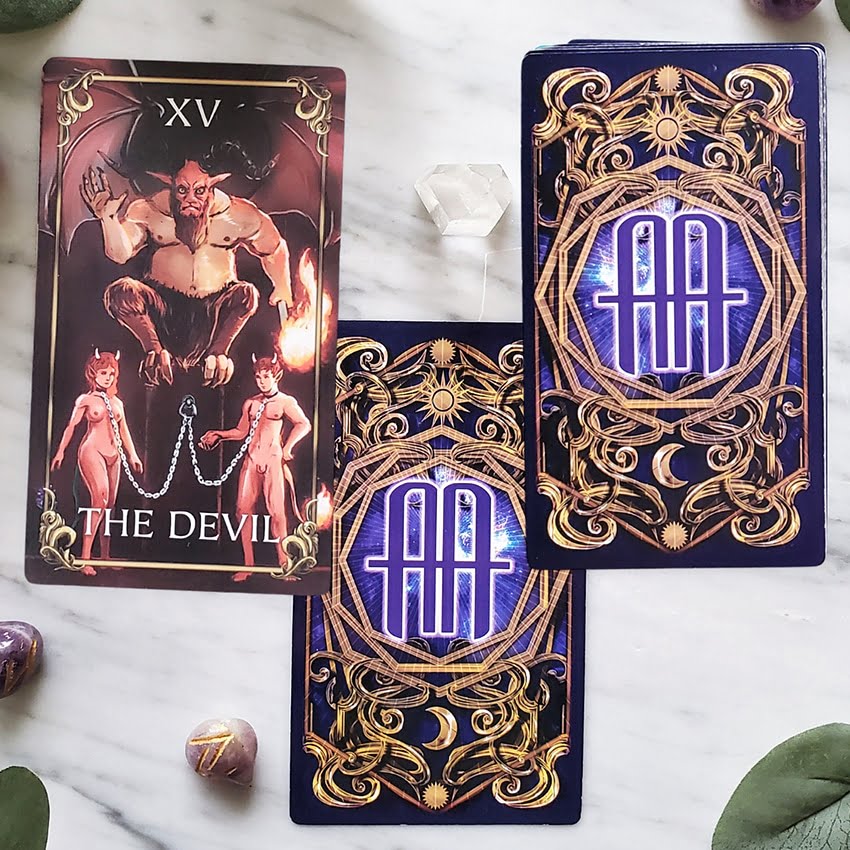
The Devil card, the 15th in the Major Arcana, is often depicted as a horned figure looming over two chained figures. At first glance, it seems ominous—symbolizing bondage, temptation, and materialism. Yet, this card is less about external forces and more about the internal prisons we construct. The chains in the image are loose, suggesting that the figures could break free at any moment. This is the first clue: the real cage is the one you’ve convinced yourself to stay in.

The Devil represents the shadow side of desire—addiction, obsession, and the comfort of familiarity, even when it’s unhealthy. It’s the part of you that clings to toxic relationships, procrastination, or self-destructive patterns because they feel safe. The card asks: What are you willing to sacrifice for the illusion of control? It’s not about demonic possession; it’s about the choices you make when you prioritize short-term gratification over long-term freedom.
The Illusion of the Cage: How The Devil Manifests in Your Life
The Devil card thrives in the gray areas of life—where boundaries blur, and what once felt empowering becomes a trap. Here are some common ways this energy shows up:
- Addictive Patterns: Whether it’s scrolling endlessly, overspending, or numbing emotions with substances, The Devil whispers, “Just one more time.” The cage here is the cycle of guilt and repetition.
- Toxic Relationships: Staying in a partnership, friendship, or job that drains you because “it’s better than being alone” is another form of self-imposed captivity. The Devil card highlights the fear of change over the pain of stagnation.
- Self-Sabotage: Procrastination, perfectionism, or imposter syndrome can keep you from pursuing your dreams. The cage is the story you tell yourself: “I’m not ready,” “I don’t deserve it,” or “It’s too late.”
- Material Attachment: Clinging to possessions, status, or even past versions of yourself can feel like security, but it’s often a prison of your own making. The Devil asks: What would happen if you let go?
Recognizing these patterns is the first step toward dismantling them. The Devil card doesn’t judge—it simply holds up a mirror. The question isn’t “Why am I trapped?” but “What am I afraid would happen if I walked away?”
Breaking the Chains: Practical Steps to Liberation
So, how do you escape the cage? The Devil card doesn’t offer easy answers, but it does provide a roadmap if you’re willing to follow it. Here’s how to start:
1. Name the Illusion
Write down the habits, relationships, or beliefs that feel like chains. Be brutally honest. For example:
- “I stay in this job because I’m afraid of failing elsewhere.”
- “I keep dating the same toxic type because it feels familiar.”
- “I tell myself I’ll start my business ‘someday,’ but I never do.”
Naming the illusion robs it of its power. The Devil thrives in secrecy; sunlight is its kryptonite.
2. Challenge the “What Ifs”
The Devil card preys on fear, especially the fear of the unknown. Ask yourself:
- What if I actually succeed?
- What if I’m happier alone?
- What if I’m not as trapped as I think?
Often, the worst-case scenario isn’t as scary as the cage itself. The Devil wants you to believe the unknown is worse than the known pain—but that’s rarely true.
3. Create Small Acts of Rebellion
You don’t have to burn the cage down in one day. Start small:
- Delete the app that triggers your scrolling addiction for 24 hours.
- Say “no” to one thing that drains you this week.
- Spend 10 minutes a day working on a dream you’ve postponed.
These tiny rebellions chip away at the illusion of powerlessness. The Devil card loses its grip when you prove to yourself that you’re not powerless.
4. Reclaim Your Power
The figures in the card are chained, but their postures aren’t entirely submissive. One looks up at The Devil, while the other looks away. This duality represents the choice between:
- Compliance: Staying in the cage out of habit or fear.
- Defiance: Refusing to engage with the illusion and walking away.
Which one feels more aligned with your truth? The Devil card doesn’t demand you rebel loudly—sometimes, the most powerful act is quietly choosing yourself.
The Devil’s Gift: What Freedom Looks Like
Escaping the cage isn’t about becoming a different person; it’s about remembering who you were before the chains were added. The Devil card’s ultimate lesson is this: the cage was never locked from the outside. You hold the key.
Freedom with The Devil card looks like:
- Authenticity: No longer performing roles to please others or avoid discomfort.
- Clarity: Seeing your patterns without judgment and choosing differently.
- Empowerment: Trusting yourself to handle the unknown instead of clinging to the familiar.
It’s not a linear journey. There will be setbacks, moments of slipping back into old habits, or even nostalgia for the cage (“At least I knew what to expect”). But each time you choose awareness over autopilot, you weaken The Devil’s hold.
Conclusion: You Are Both the Prisoner and the Jailer
The Devil card is a paradox: it’s the most feared card in the deck, yet it offers the greatest opportunity for transformation. It doesn’t ask you to fight the darkness; it asks you to turn on the light and see the cage for what it is—a construct of your own making. The chains are loose. The door is unlocked. The only question left is: When will you walk through it?
Remember, the figures in the card aren’t being held down by The Devil. They’re holding themselves back. And so are you. The Devil’s power ends where your courage begins.
FAQ
What does The Devil card represent in tarot?
The Devil card symbolizes self-imposed limitations, temptation, and the shadow side of desire, encouraging introspection and personal freedom.
How can I break free from the influences of The Devil card?
Identify and name your limiting beliefs, challenge your fears, and take small steps towards reclaiming your power.
Is The Devil card always negative?
No, while often feared, The Devil card can offer valuable insights into personal growth and transformation.
Leave a Reply