Short Answer
In this comprehensive guide, you’ll explore the multifaceted symbolism of The Devil Tarot card, uncovering its deeper meanings related to temptation, addiction, and control. Whether you’re a seasoned tarot reader or a curious beginner, you’ll gain insights into how this card reflects the shadowy aspects of human nature and the choices that shape our lives. By the end, you’ll understand how The Devil challenges us to confront our inner demons and reclaim personal power.
The Devil Tarot Card: A Symbol of Bondage and Illusion
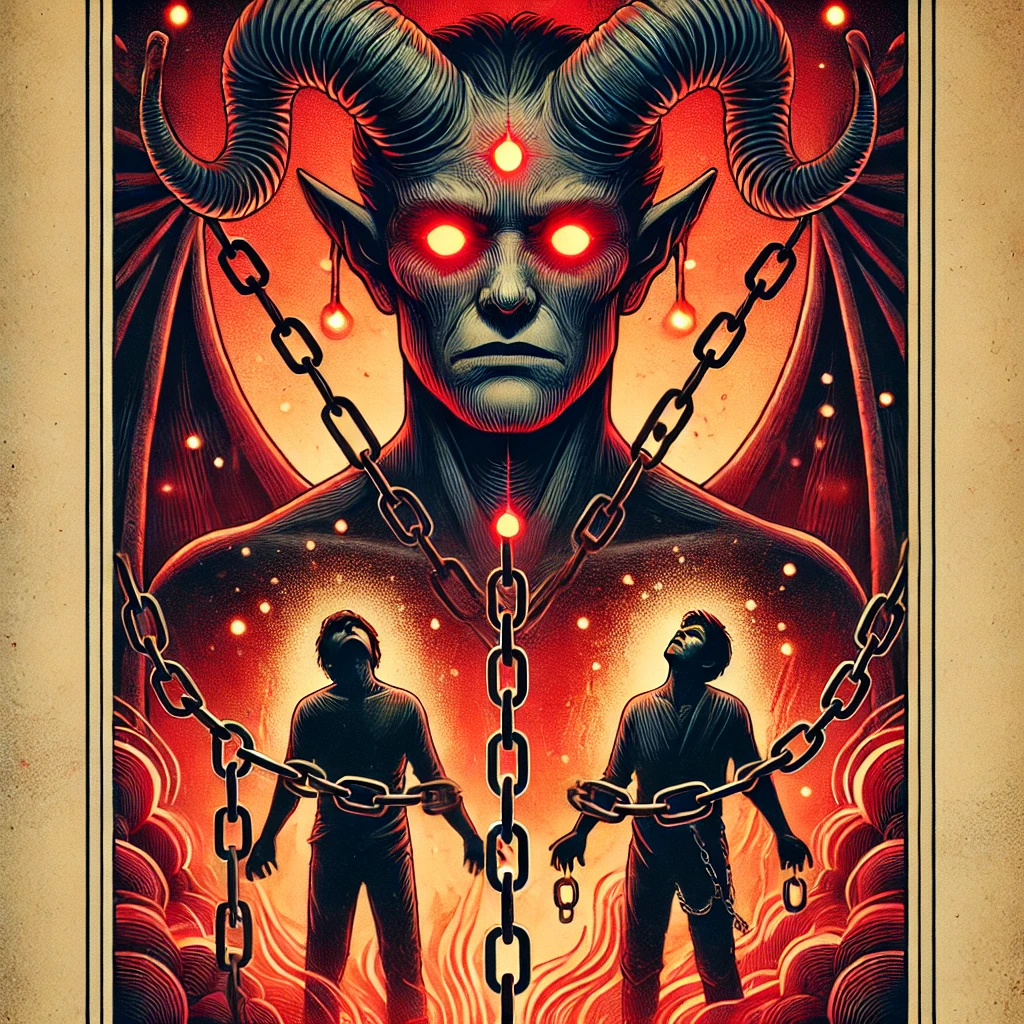
The Devil Tarot card is one of the most visually striking and psychologically complex cards in the Major Arcana. Depicted as a horned figure with a menacing grin, often perched atop a pedestal with two chained figures at its feet, this card represents the darker side of human desires and attachments. Unlike the innocent chains shown in earlier cards like The Lovers, The Devil’s chains are voluntary—a metaphor for the self-imposed shackles of addiction, toxic relationships, or unhealthy habits.
The imagery is rich with symbolism: the inverted pentagram on the figure’s forehead hints at distorted spirituality, while the torch it holds emits a dim, flickering light, symbolizing misguided guidance or false enlightenment. The two figures at its feet, often mistaken for victims, are actually willing participants in their own bondage, their postures mirroring the card’s themes of stagnation and dependency. This card doesn’t just warn of external temptations; it exposes the internal conflicts that keep us trapped in cycles of self-sabotage.
Temptation as a Gateway to Addiction
At its core, The Devil is a card of temptation—the whisper in the ear that promises immediate gratification but delivers long-term despair. Whether it’s an addiction to substances, toxic relationships, or even digital distractions, this card highlights how small indulgences can escalate into all-consuming habits. The chains are not physical but psychological, forged by repetition, denial, and the illusion of control.
Consider the metaphor of a moth drawn to a flame: The Devil doesn’t force the moth to fly closer; it simply amplifies the moth’s natural inclination toward light, even if that light leads to destruction. Similarly, the card urges you to examine what “flames” you’re irresistibly drawn to—be it overworking, escapism, or people-pleasing—and ask whether these choices serve your highest good or merely numb your pain temporarily. The Devil doesn’t judge; it illuminates the cost of your attachments.
Control: The Illusion of Power Over Others
Beyond personal addiction, The Devil also exposes the darker facets of control—how we manipulate others or allow ourselves to be manipulated. The chained figures at the card’s feet are often depicted in submissive or seductive poses, suggesting a dynamic where power is exchanged for security or validation. This could manifest as a toxic relationship where one partner clings to dominance while the other clings to survival, or a workplace where unethical practices are justified by “the ends justifying the means.”
The card serves as a mirror, asking: Where do you wield control, and where do you surrender it? It’s not about blame but awareness—recognizing the games we play, whether with ourselves or others. The Devil’s chains are a reminder that control is an illusion; true freedom comes from releasing the need to dominate or be dominated.
The Spiritual Paradox: Shadow Work and Liberation
While The Devil is often feared as a harbinger of doom, it also offers a path to liberation through shadow work. The card’s energy isn’t inherently evil; it’s a catalyst for transformation. By confronting the aspects of yourself you’ve disowned—whether it’s repressed anger, unmet desires, or self-destructive patterns—you can begin to dissolve the illusions that bind you.
Think of The Devil as a harsh but necessary teacher. Just as a gardener prunes a plant to encourage new growth, this card demands you cut away what no longer serves you. Rituals like journaling, meditation, or even tarot spreads focused on breaking free from limiting beliefs can help you harness The Devil’s energy constructively. The goal isn’t to eliminate temptation but to transcend its grip by understanding its roots.
Practical Applications: Recognizing The Devil in Daily Life
The Devil’s influence isn’t confined to tarot readings; it permeates everyday decisions. Here’s how to spot its energy in your life and respond with intention:
- Addictions: Notice when you use substances, behaviors, or even people to avoid facing emotions. Ask: What am I trying to escape?
- Relationships: Identify patterns where you or others play the role of victim or perpetrator. The Devil thrives in imbalanced dynamics.
- Work and Ambition: Are you chasing success at the cost of your well-being? The Devil can masquerade as ambition when it’s rooted in fear or greed.
- Digital Habits: Social media, binge-watching, or doomscrolling can become modern chains. Set boundaries to reclaim your time and mental space.
When The Devil appears in a reading, it’s an invitation to pause and reflect. Ask yourself: What am I giving my power away to? The answer might surprise you.
Breaking Free: Rituals and Affirmations for Liberation
If The Devil’s chains feel heavy, use these practices to reclaim your agency:
- Burning Ritual: Write down what’s binding you on a piece of paper and safely burn it, visualizing the smoke carrying away the illusion.
- Mirror Work: Stand before a mirror and affirm, “I release what no longer serves my highest good.” Repeat daily.
- Tarot Spread: Pull three cards: one representing your temptation, one your fear, and one your path to freedom. Use the insights to guide your next steps.
- Nature Connection: Spend time outdoors to ground yourself. The Devil’s energy is heavy; nature offers clarity and renewal.
Conclusion
The Devil Tarot card is a profound teacher, revealing the thin line between desire and destruction, control and surrender. It doesn’t condemn you for your shadows but challenges you to meet them with courage and curiosity. By recognizing the voluntary chains in your life—whether they’re habits, relationships, or self-limiting beliefs—you take the first step toward liberation.
Remember, The Devil’s power lies in its ability to expose truth. The moment you see the illusion for what it is, the chains begin to weaken. Use this card as a compass, guiding you toward choices that align with your highest self. After all, the greatest act of rebellion isn’t defiance but reclaiming your power from the very forces that once held you captive.
FAQ
What does The Devil Tarot card symbolize?
The Devil Tarot card symbolizes temptation, addiction, control, and the internal conflicts that keep individuals trapped in cycles of self-sabotage.
How can The Devil Tarot card serve as a tool for personal growth?
It serves as a catalyst for transformation by encouraging individuals to confront their inner demons and acknowledge the chains they impose on themselves.
Leave a Reply