Short Answer
Have you ever drawn The Devil card in a tarot reading and felt an unsettling recognition—like the card was peering into a shadowy corner of your life you’d rather ignore? You’re not alone. The Devil tarot card is one of the most feared and misunderstood cards in the deck, yet its message is profoundly relevant to modern life. In this guide, you’ll discover what The Devil truly represents, why it fascinates us, and most importantly, how to recognize and break free from toxic bonds that may be holding you back. By the end, you’ll have a clear roadmap to reclaim your power and transform your relationships—with yourself and others.
The Devil Tarot Card: More Than Just a Dark Symbol
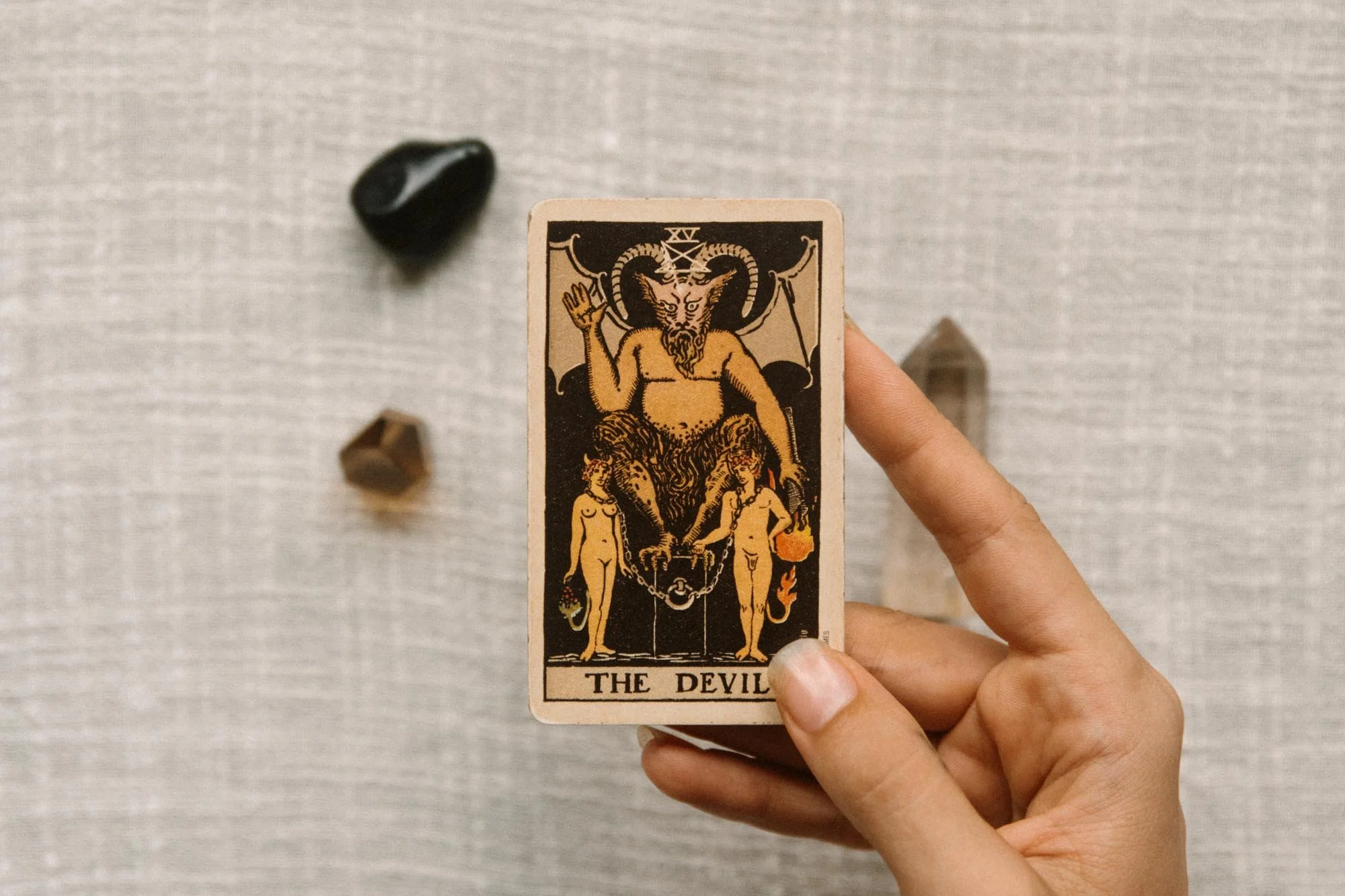
The Devil tarot card, often depicted with a horned figure and chained figures at its feet, is not about literal evil—it’s about bondage. In the Rider-Waite-Smith tradition, the card shows two figures bound by chains around their necks, yet their hands are free, suggesting they could walk away at any moment. This paradox is key: The chains are often loose, symbolic of the illusion that we’re trapped when, in reality, we have the power to leave.
At its core, The Devil represents toxic bonds—addictions, unhealthy relationships, self-limiting beliefs, or compulsive behaviors that drain your energy and joy. It can appear when you’re stuck in a cycle of codependency, whether with a person, a substance, a job, or even a self-destructive mindset. The card asks you to look closely: What are you tolerating that no longer serves you?
Many people avoid this card because it forces confrontation with uncomfortable truths. Yet, its presence in a reading is a wake-up call. It’s not a punishment—it’s an invitation to examine what’s really binding you and why you’ve stayed for so long.
Why We Stay: The Psychology Behind Toxic Bonds
One of the most common observations about The Devil card is how it highlights the gap between knowing something is harmful and actually walking away. This isn’t just about romantic relationships—it applies to friendships, family dynamics, careers, and even our relationship with social media or consumerism. So why do we stay?
Fear of the Unknown: Leaving a toxic situation often feels scarier than staying, even when staying is painful. The familiar, no matter how unhealthy, can feel safer than the uncertainty of change.
Low Self-Worth: If you don’t believe you deserve better, you’ll tolerate behaviors or situations that reinforce that belief. The Devil thrives in environments where self-love is absent.
Addiction to Drama: Some people are unconsciously addicted to the intensity of toxic relationships. The adrenaline rush of conflict or the cycle of making up can feel more alive than stable, healthy love.
External Validation: Whether it’s financial dependence, social status, or emotional crutches, we often stay because we fear losing what little validation we receive from the toxic bond.
Recognizing these patterns is the first step toward breaking free. The Devil card doesn’t judge—it illuminates. It’s up to you to decide whether the cost of staying is worth the price of your peace.
Signs You’re Chained to a Toxic Bond
Not all toxic bonds are obvious. Sometimes, they’re disguised as love, loyalty, or necessity. Here are key signs that The Devil card might be speaking to your situation:
- You make excuses for their behavior: “They didn’t mean it,” “They’re going through a hard time,” or “It’s not that bad.”
- You feel drained after interactions: Healthy relationships leave you energized; toxic ones leave you emotionally exhausted.
- You’ve stopped pursuing your own goals: When you’re in a toxic dynamic, your dreams often take a backseat to keeping the peace or managing the chaos.
- You feel guilty for setting boundaries: Saying “no” triggers shame or fear of abandonment.
- You romanticize the past: “It used to be so good,” ignoring the current reality.
- You’re the one always initiating change: If you’re constantly trying to fix the relationship while the other person remains unchanged, it’s a red flag.
If any of these resonate, The Devil card is urging you to look closer. Toxic bonds don’t always scream—they whisper, and over time, their voice grows louder.
Breaking the Chains: Practical Steps to Freedom
Knowing you’re in a toxic bond is one thing; breaking free is another. The Devil card doesn’t just highlight the problem—it points to the solution: awareness and action. Here’s how to start:
1. Acknowledge the Truth
Write down the specific ways this bond is harming you. Be brutally honest. Ask yourself: What am I losing by staying? This isn’t about blaming the other person—it’s about honoring your own needs.
2. Identify the Chains
What’s keeping you stuck? Is it fear, financial dependence, guilt, or the belief that you’re unlovable? Name it. The Devil card’s chains are often made of our own thoughts and fears.
3. Create an Exit Strategy
Freedom doesn’t always mean walking away immediately—sometimes it’s about creating space. Start small: set boundaries, reduce contact, or seek support. If the bond is abusive or dangerous, prioritize safety and reach out to professionals or trusted loved ones.
4. Rebuild Your Self-Worth
Toxic bonds thrive in environments where self-love is absent. Counter this by practicing daily affirmations, journaling your strengths, or engaging in activities that make you feel capable and valued. The more you honor yourself, the less you’ll tolerate behaviors that dishonor you.
5. Seek Support
Breaking free is harder alone. Talk to a therapist, join a support group, or confide in friends who uplift you. Sometimes, an outside perspective can help you see the chains you’ve grown accustomed to.
6. Embrace the Unknown
Fear of the unknown is the Devil’s greatest ally. Remind yourself that uncertainty is temporary, but staying in toxicity is a slow death. Every step you take toward freedom is a step toward reclaiming your power.
The Deeper Reason We’re Fascinated by The Devil
There’s a reason The Devil card captures our attention more than any other. It’s not just because it’s dramatic—it’s because it reflects a universal human experience: the struggle between comfort and growth. We’re drawn to stories of people breaking free because we see ourselves in them. The Devil card is a mirror, reflecting our own chains and the courage it takes to shatter them.
This fascination also hints at a deeper truth: we’re all capable of both light and shadow. The Devil isn’t just “out there”—it lives within us when we choose stagnation over transformation, fear over love, or control over freedom. Recognizing this duality is the first step toward healing.
Conclusion: Your Power to Choose Freedom
The Devil tarot card is a powerful teacher, but it’s not a life sentence. It’s a reminder that you are not powerless—you are the one who decides whether to stay or go, to cling or to release. Toxic bonds don’t have to define you. They can be the very thing that pushes you toward a life of authenticity, self-respect, and joy.
If The Devil has appeared in your reading, don’t turn away. Lean in. Ask yourself: What toxic bond am I tolerating that I no longer need to? Then, take one small step toward freedom today. Whether it’s setting a boundary, reaching out for support, or simply admitting the truth to yourself, every action is a crack in the chains.
Remember: The figures in The Devil card have the power to walk away. So do you. The question isn’t whether you can break free—it’s whether you’re ready to choose yourself.
FAQ
What does The Devil card represent in tarot?
The Devil card represents bondage, toxic relationships, and the illusion of being trapped, encouraging self-reflection and the breaking of harmful patterns.
How can I break free from toxic bonds?
Start by acknowledging the truth of your situation, identifying the fears or beliefs keeping you stuck, and seeking support while setting boundaries.
Leave a Reply