Short Answer
Welcome to your comprehensive guide on The Drowned Man Tarot – The Hanged Man’s Shadow. In this article, you’ll explore the deeper, often overlooked aspects of The Hanged Man card in the Tarot deck. You’ll learn about its symbolic meanings, its shadow side, and how it contrasts with the traditional interpretation. Whether you’re a seasoned Tarot reader or a curious beginner, this guide will provide valuable insights into this enigmatic card’s role in readings and personal growth.
The Hanged Man in Traditional Tarot
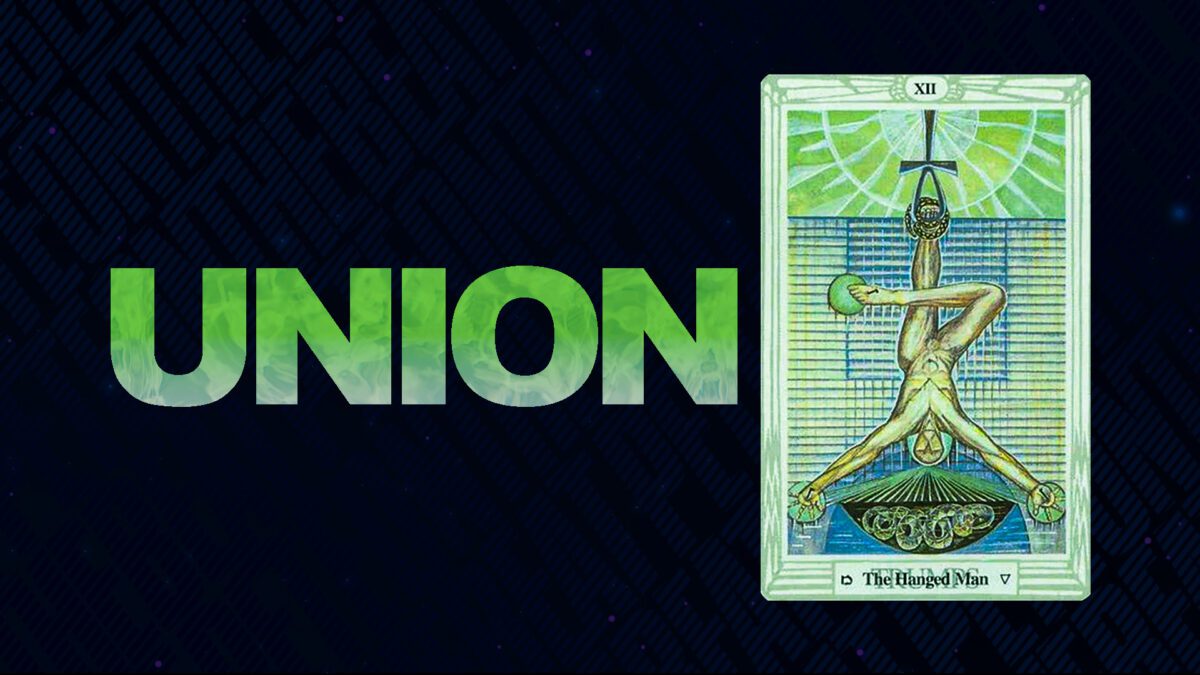
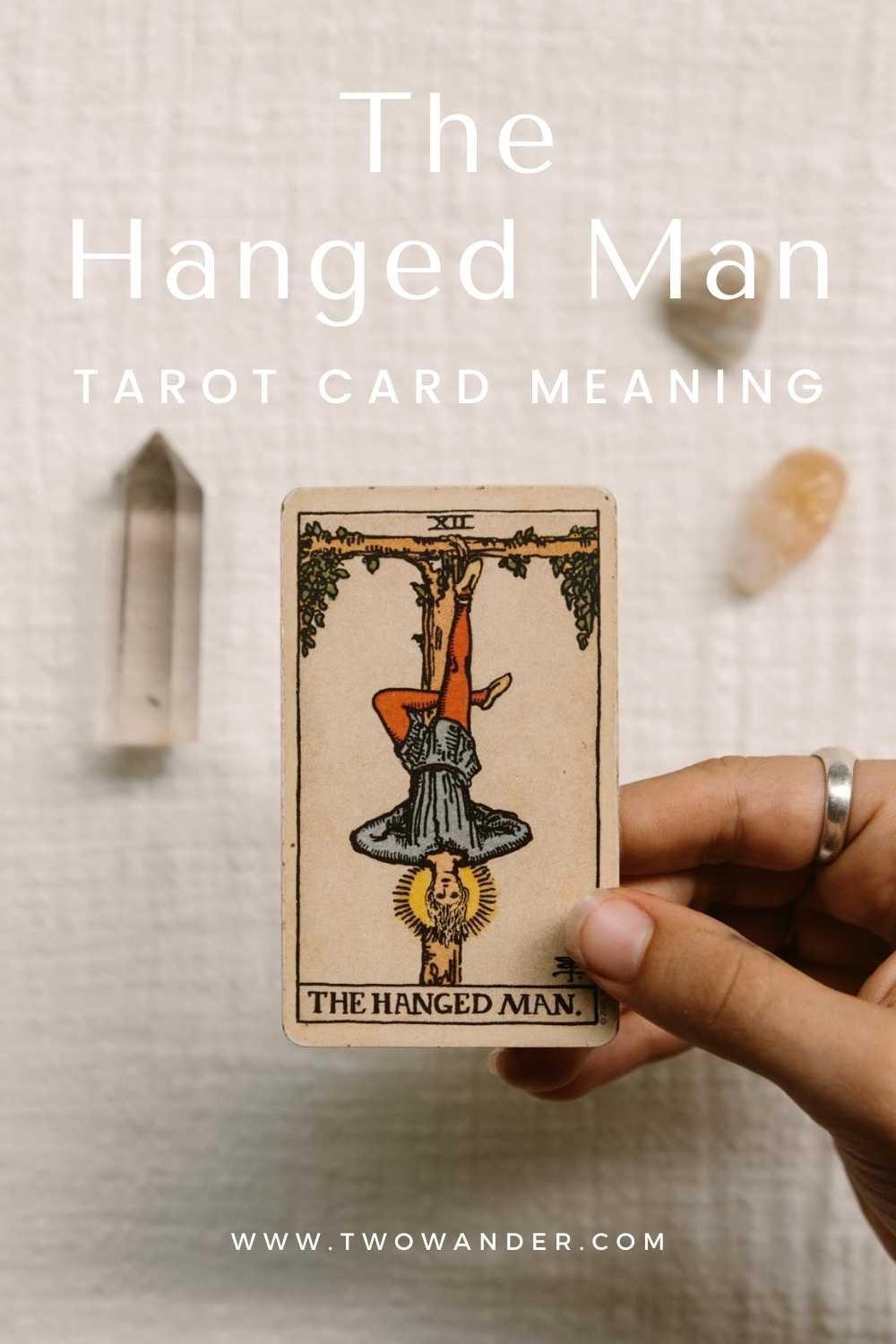
The Hanged Man is one of the most recognizable cards in the Major Arcana, often depicted as a figure suspended upside-down from a living tree or post. Traditionally, this card symbolizes surrender, sacrifice, and a pause in action. It represents a moment of stillness where the usual flow of life is interrupted, inviting reflection and new perspectives. In many decks, the figure appears serene, suggesting acceptance rather than suffering. This card is often associated with the number XII in the Tarot sequence, marking a pivotal point between the Fool’s journey and the deeper introspection of the next cards.
Understanding the Shadow Aspect of The Hanged Man
The concept of the “shadow” in Tarot refers to the hidden, repressed, or less acknowledged aspects of a card’s energy. For The Hanged Man, the shadow side emerges when the themes of surrender and stagnation are taken to extremes. Instead of a voluntary pause for growth, the shadow Hanged Man can represent feeling trapped, powerless, or stuck in a situation without resolution. It may indicate procrastination, avoidance of responsibility, or an inability to take action when needed. This shadow aspect challenges the reader to examine whether their current state of inaction is truly transformative or merely a form of self-imposed paralysis.
Symbolism and Imagery of The Drowned Man Tarot
The Drowned Man Tarot, a lesser-known but evocative deck, reimagines The Hanged Man with unique symbolism that emphasizes its shadow qualities. In this deck, the figure may appear submerged in water, surrounded by darkness, or depicted in a state of distress rather than tranquility. Water often symbolizes the subconscious, emotions, and the unknown, suggesting that the shadow Hanged Man is deeply connected to inner turmoil. The drowning imagery can represent being overwhelmed by circumstances, suppressed emotions, or a fear of change. These visual cues invite the reader to explore the emotional and psychological depths of stagnation.
How The Hanged Man’s Shadow Manifests in Readings
When The Hanged Man appears in a reading, its shadow side can manifest in several ways. In a career context, it might indicate feeling undervalued or stuck in a dead-end job without the courage to seek change. In relationships, it could suggest a dynamic where one partner feels trapped or unable to express their true needs. Health-wise, the shadow Hanged Man may point to avoidance of necessary self-care or ignoring warning signs. The key to interpreting this card’s shadow is to ask whether the current state of suspension is a choice for growth or a reluctance to face reality. The card urges the querent to examine their motivations and consider whether their “pause” is serving a higher purpose or merely delaying the inevitable.
Contrasting The Hanged Man with Other Tarot Cards
To fully grasp The Hanged Man’s shadow, it’s helpful to compare it with other Tarot cards that deal with themes of stagnation or transformation. For example, The Tower represents sudden upheaval and forced change, contrasting with The Hanged Man’s voluntary suspension. While The Tower’s destruction is external and chaotic, The Hanged Man’s pause is internal and deliberate. Similarly, The Hermit shares The Hanged Man’s introspective energy but focuses on solitude and seeking wisdom rather than surrender. Understanding these distinctions helps clarify when The Hanged Man’s shadow is at play versus when a different energy is influencing the situation.

Practical Steps to Work with The Hanged Man’s Shadow
If you find The Hanged Man’s shadow appearing in your readings or life, there are practical steps to harness its energy for growth. Start by acknowledging the feelings of being stuck without judgment. Journaling can help uncover the root causes of your paralysis, whether it’s fear, indecision, or external constraints. Meditation or mindfulness practices can bring awareness to the present moment, allowing you to discern whether your inaction is transformative or limiting. Setting small, achievable goals can also break the cycle of stagnation, gradually rebuilding momentum. Remember, The Hanged Man’s shadow is not a permanent state but a call to reevaluate your path.
Conclusion
The Hanged Man is a card of profound depth, offering lessons in surrender, reflection, and transformation. Its shadow side, as explored in The Drowned Man Tarot and other interpretations, reveals the potential pitfalls of stagnation and avoidance. By recognizing when The Hanged Man’s energy is serving your growth or hindering it, you can navigate life’s challenges with greater clarity and purpose. Whether through Tarot readings, self-reflection, or intentional action, this card invites you to embrace the pauses in life as opportunities for renewal rather than obstacles. Use its wisdom to transform your shadows into stepping stones toward a more awakened existence.
FAQ
What does The Hanged Man card symbolize in Tarot?
The Hanged Man symbolizes surrender, sacrifice, and a pause in action, inviting reflection and new perspectives.
How can the shadow aspect of The Hanged Man affect readings?
The shadow aspect can indicate feelings of being trapped or stuck, challenging the reader to examine whether their inaction is truly transformative.
Leave a Reply