Short Answer
The realm of Tarot, often intertwined with mystery and mysticism, can intrigue the curious mind. Each card, imbued with symbolism and deep meaning, offers a unique lens through which to view life’s vicissitudes. Among these cards, the Eight of Cups stands out for its evocative imagery and poignant message. In this exploration of the Eight of Cups through a Christian perspective, we delve into its intricate layers, revealing both its appeal and its significance.
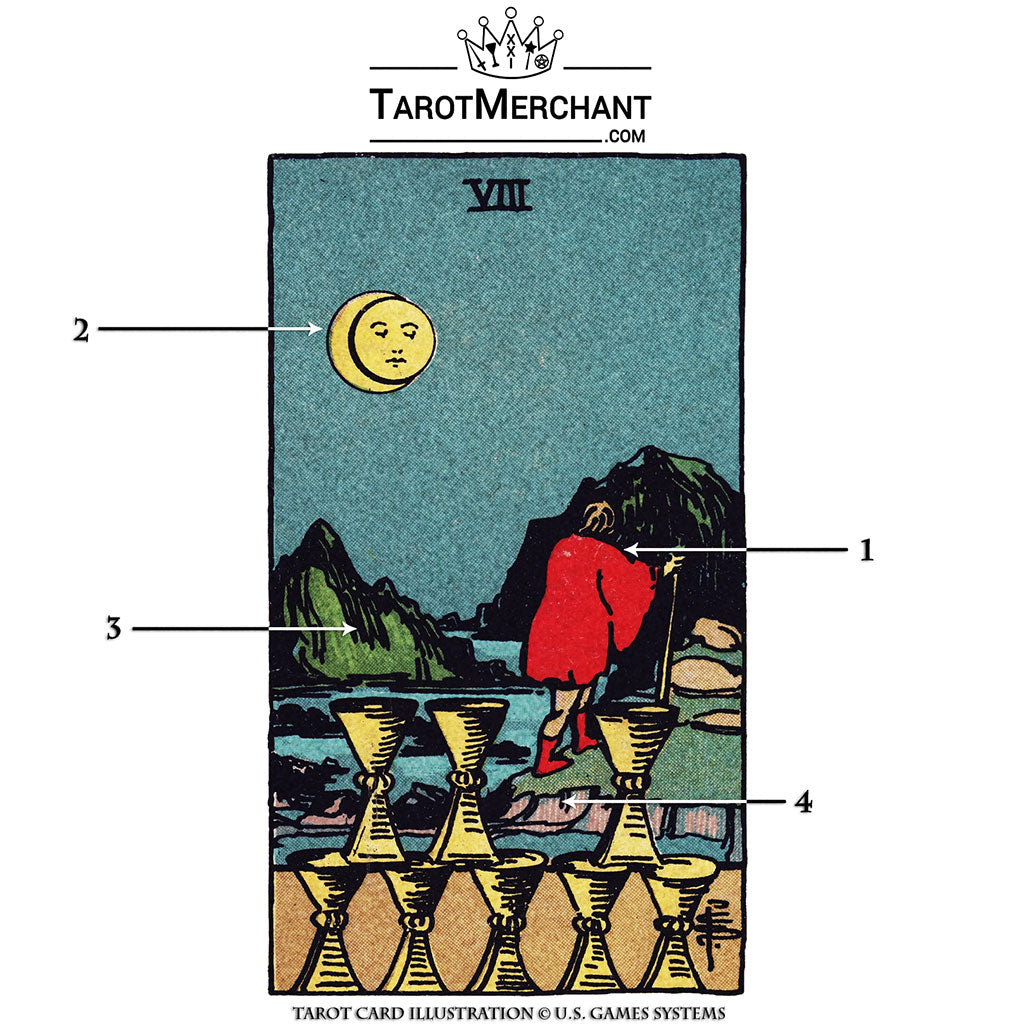
Visually, the Eight of Cups is often depicted with a figure standing on the precipice of an emotional journey. Eight golden chalices stand in the background, symbolizing past experiences, hopes, and fulfilled aspirations. Yet, the central figure turns away, traversing a path into the unknown. This notion of departure can be likened to the biblical call to leave behind the familiar, reminiscent of when the disciples were beckoned to follow Christ, leaving their nets behind for a higher purpose.
At its core, the Eight of Cups embodies the theme of seeking deeper meaning. Christians often resonate with this pursuit. Life is a journey that frequently demands self-reflection, prompting an exploration beyond surface-level satisfaction. The metaphor of a traveler forsaking material abundance for spiritual growth echoes the plight of those who seek fulfillment beyond the tangible. It mirrors the biblical narrative of Abraham, who heeded the divine call to leave his homeland for a promise of something greater. The essence of moving away from comfort zones to embrace one’s spiritual destiny serves as a powerful reminder of faith’s transformative power.
In the Christian worldview, the act of abandoning the familiar in pursuit of a spiritual calling transcends mere physical relocation; it is a metaphor for the internal shifts that occur within one’s heart and soul. The Eight of Cups invites individuals to examine their lives critically. Are they truly satisfied, or are they merely existing in a state of complacency? This inquiry aligns closely with the exercises of introspection encouraged within Christian teachings, urging believers to evaluate their spiritual journey continually.
The beauty of the Eight of Cups is rooted in its duality. It represents both loss and liberation. While leaving behind what is known may elicit feelings of sorrow, it simultaneously opens the door to new horizons. Just as Christ spoke of losing one’s life to find it, so too does the Eight of Cups articulate a similar paradox. The figure in the card’s imagery does not flee out of despair but rather out of a courageous yearning for something more profound. This ‘calling’ resonates with the biblical narrative of the rich young ruler, who was invited to surrender his wealth for a more transcendent existence. In choosing spiritual enrichment, one embraces a richer and divinely inspired life.
Moreover, the Eight of Cups can serve as an exhortation to let go of burdens that inhibit personal growth. Many Christians grapple with emotional baggage—whether related to past traumas, toxic relationships, or old grievances. This card symbolizes the necessity of relinquishing such burdens in pursuit of freedom and enlightenment. It may remind individuals of the teachings of Jesus on forgiveness, emphasizing that only by letting go can one truly begin to heal, grow, and connect more profoundly with God.
In various contexts, the symbolism surrounding the Eight of Cups can be interpreted as a divine invitation to trust in God’s plan. The journey depicted is not one of aimless wandering but rather guided exploration. This reflects the understanding that faith often calls believers to venture into the unknown. By embracing uncertainty, they can find solace in the belief that every trial may lead to growth, as expressed in Romans 8:28—that all things work together for good to those who love God.
In the Christian perspective, the Eight of Cups can also be seen as a motif of discernment, encouraging self-examination to distinguish what truly holds value. It provokes questions: What cup am I presently filling? Does it nourish my spirit or distract from my purpose? This discernment is essential for believers aiming to cultivate a life in alignment with Christ’s teachings. The willingness to walk away from the superfluous yearnings of the world is not only commendable but necessary for spiritual maturity and authenticity.
As one delves deeper into the implications of the Eight of Cups, it becomes evident that this card offers encouragement during times of transition. Life is punctuated by changes; therefore, this card lends faith to the belief that every departure serves a divine purpose. The trajectory of life is often uncharted yet promises new truths and revelations that enrich the soul. Through this lens, the Eight of Cups morphs into a source of comfort, inviting believers to embrace their journeys with hope and expectation.
In summation, the Eight of Cups resonates profoundly within the Christian narrative as it articulates themes of transformation, self-examination, and the courageous pursuit of spiritual depth. Its evocative imagery inspires a continuous quest for authenticity, urging individuals to seek and discern the depths of their faith. Whether viewed through the lens of exile or transcendent liberation, the Eight of Cups remains an enduring symbol of the human journey—a reminder that sometimes, to truly live, one must venture forth, leaving behind what no longer serves their divine purpose.
FAQ
What does the Eight of Cups Tarot card symbolize?
The Eight of Cups symbolizes the pursuit of deeper meaning and the courage to leave behind what no longer serves one’s spiritual growth.
How is the Eight of Cups interpreted in a Christian context?
In a Christian context, the Eight of Cups represents a call to abandon the familiar for spiritual enrichment, mirroring biblical themes of transformation and faith.
Leave a Reply