Short Answer
The Eye Tarot – What You’re Not Seeing is a comprehensive guide designed to help you explore the deep symbolism, interpretations, and practical applications of the Eye in tarot. Whether you’re a beginner or an experienced reader, this guide will illuminate the hidden layers behind this powerful motif, revealing insights about perception, intuition, and the unseen forces that shape your journey. You’ll learn about the historical roots of the Eye in tarot, its various representations across decks, and how to interpret its messages in readings. By the end, you’ll have a richer understanding of how the Eye can serve as a guide to uncovering truths and navigating life’s mysteries.
The Symbolism of the Eye in Tarot
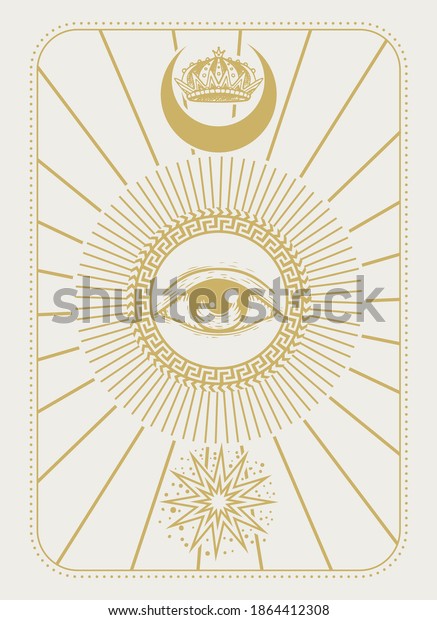
The Eye is a potent symbol in tarot, often representing insight, awareness, and the ability to see beyond the surface. It embodies the concept of the “third eye,” a metaphor for intuition and spiritual vision. In many tarot decks, the Eye appears as a focal point on cards like The High Priestess, The Moon, or The Judgment, where it signifies hidden knowledge, subconscious revelations, or a call to look deeper into a situation. The Eye can also symbolize protection, as seen in the All-Seeing Eye on The Wheel of Fortune or The Star, suggesting divine oversight or the presence of unseen forces guiding your path.
Different decks interpret the Eye in unique ways. For example, in the Rider-Waite-Smith tradition, the Eye on The High Priestess’s headdress represents her connection to the subconscious and the mysteries of the universe. In contrast, modern decks like The Mind’s Eye Tarot emphasize personal insight and self-reflection, using the Eye to encourage introspection. The Eye’s symbolism extends beyond tarot into broader esoteric traditions, where it often represents omniscience, enlightenment, or the ability to perceive the invisible threads of fate.

Types of Eye Tarot Cards and Their Meanings
Tarot decks feature various cards where the Eye plays a central role, each carrying distinct meanings. Below are some of the most significant Eye-related tarot cards and their interpretations:
The High Priestess
The High Priestess is perhaps the most iconic Eye-related card in tarot. Her headdress often features a crescent moon cradling a central Eye, symbolizing her role as a guardian of hidden knowledge and intuition. When this card appears in a reading, it suggests a need to trust your instincts, delve into your subconscious, or seek answers beyond the material world. The Eye on The High Priestess reminds you that not all truths are visible on the surface, and sometimes, the answers lie within.
The Moon
The Moon card frequently depicts an Eye within its imagery, often in the form of a crescent moon with a staring Eye at its center. This card represents illusion, intuition, and the subconscious mind. The Eye on The Moon warns against deception or self-deception, urging you to look beyond appearances and trust your gut feeling. It may also indicate a time of heightened sensitivity or psychic awareness, where the Eye serves as a beacon guiding you through uncertainty.
The Wheel of Fortune
In some decks, The Wheel of Fortune features an All-Seeing Eye at its center, symbolizing fate, divine intervention, or the cyclical nature of life. This Eye suggests that there is a grand design at play, even if its workings are not immediately apparent. When this card appears, it may indicate a turning point where unseen forces are aligning to bring about change. The Eye here serves as a reminder that life’s ups and downs are part of a larger pattern, and trusting the process is key.
How to Interpret the Eye in Tarot Readings
Interpreting the Eye in a tarot reading depends on its context, the surrounding cards, and the question being asked. Here are some key approaches to understanding its message:
As a Sign of Intuition
When the Eye appears in a reading, it often signals a need to trust your intuition. It may be urging you to pay attention to subtle signs, dreams, or gut feelings that are trying to guide you. For example, if you’re facing a difficult decision, the Eye could be a reminder to listen to your inner voice rather than relying solely on logic. In this context, the Eye acts as a metaphorical flashlight, illuminating the path forward.
As a Warning Against Illusion
The Eye can also serve as a warning to look deeper into a situation. If a reading feels clouded by confusion or deception, the Eye may be highlighting the need to see through illusions or uncover hidden truths. For instance, if The Moon appears alongside the Eye, it could indicate that someone or something is not what it seems. The Eye here acts as a clarifying lens, helping you pierce through the fog of misinformation.
As a Symbol of Protection
In some readings, the Eye represents protection or divine guidance. It may appear when you’re feeling vulnerable or uncertain, reassuring you that you’re being watched over. For example, if The Star or The Wheel of Fortune features the Eye, it could suggest that you’re on the right path, even if the destination isn’t yet clear. The Eye here serves as a comforting presence, reminding you that you’re not alone in your journey.
Practical Applications: Using the Eye in Your Tarot Practice
Incorporating the Eye into your tarot practice can deepen your readings and enhance your connection to the cards. Here are some practical ways to work with this symbol:
Journaling with the Eye
Keep a tarot journal where you record readings that feature the Eye. Note the context, the question asked, and the card’s position in the spread. Over time, you’ll start to recognize patterns in how the Eye appears and what messages it carries. This practice can help you develop a more intuitive understanding of the symbol and its relevance to your life.
Meditation and Visualization
Use the Eye as a focal point for meditation. Close your eyes and visualize the Eye in your mind’s eye, allowing it to guide you toward deeper insights. You might ask a question before meditating and observe any images, sensations, or thoughts that arise. The Eye can serve as a portal to your subconscious, helping you access wisdom that’s not readily available in your waking state.
Creating Eye-Themed Spreads
Design tarot spreads centered around the Eye to explore specific questions or areas of your life. For example, a spread with positions like “What I’m Not Seeing,” “Hidden Truths,” and “Intuitive Guidance” can help you uncover blind spots and gain clarity. The Eye can act as the anchor for these spreads, reminding you to look beyond the obvious.
Common Misconceptions About the Eye in Tarot
Despite its widespread use, the Eye in tarot is often misunderstood. Here are some common misconceptions and the truths behind them:
Myth: The Eye Always Represents Evil or Danger
While the Eye can symbolize surveillance or hidden threats in some contexts (such as in conspiracy theories or horror imagery), its primary meaning in tarot is one of insight and protection. The Eye is not inherently malevolent; rather, it’s a tool for seeing the unseen and navigating life’s complexities. In tarot, the Eye is more likely to represent wisdom, intuition, or divine guidance than danger.
Myth: The Eye is Only Relevant in Certain Decks
Some readers assume that the Eye is only significant in decks with overt occult or esoteric themes, like the Rider-Waite-Smith or Thoth decks. However, the Eye appears in a wide range of decks, from modern intuitive decks to traditional ones. Even if a deck doesn’t feature the Eye prominently, its themes of perception and hidden knowledge are universal in tarot. The Eye’s message transcends specific decks and speaks to the core of tarot’s symbolism.
Myth: The Eye is Always a Positive Sign
While the Eye often carries positive connotations, such as intuition or protection, it can also indicate challenges. For example, if the Eye appears in a reading about deception or confusion, it may be highlighting the need to see through illusions. The Eye’s message is not always straightforward; its meaning depends on the context of the reading and the surrounding cards. Always consider the full picture before drawing conclusions.
Conclusion
The Eye in tarot is a multifaceted symbol that invites you to explore the depths of your intuition, the hidden layers of your experiences, and the unseen forces shaping your life. Whether it appears as a guiding light, a warning, or a protective presence, the Eye serves as a reminder to look beyond the surface and trust in your ability to perceive the unseen. By understanding its symbolism, interpreting its messages in readings, and incorporating it into your tarot practice, you can unlock new layers of insight and wisdom.
As you continue your tarot journey, let the Eye be your guide—a silent observer that sees what you cannot, and a mirror that reflects the truths you’re ready to uncover. Embrace its power, and you’ll find that the answers you seek are often closer than they appear.
FAQ
What does the Eye symbolize in tarot?
The Eye in tarot symbolizes insight, intuition, and the ability to perceive hidden truths.
Which tarot cards feature the Eye?
Significant tarot cards featuring the Eye include The High Priestess, The Moon, and The Wheel of Fortune.

Leave a Reply