Short Answer
Welcome to your ultimate guide to The Fountain Tarot Book – The Complete Guide. Whether you’re a seasoned tarot reader or just beginning your journey into the mystical world of divination, this guide will equip you with everything you need to know about this enchanting deck and its companion guidebook. You’ll explore its origins, artistic inspiration, practical uses, and how it can deepen your connection to the cards. By the end, you’ll be ready to pose playful questions, tackle challenges with confidence, and unlock the wisdom of The Fountain Tarot like never before.
The Art and Inspiration Behind The Fountain Tarot
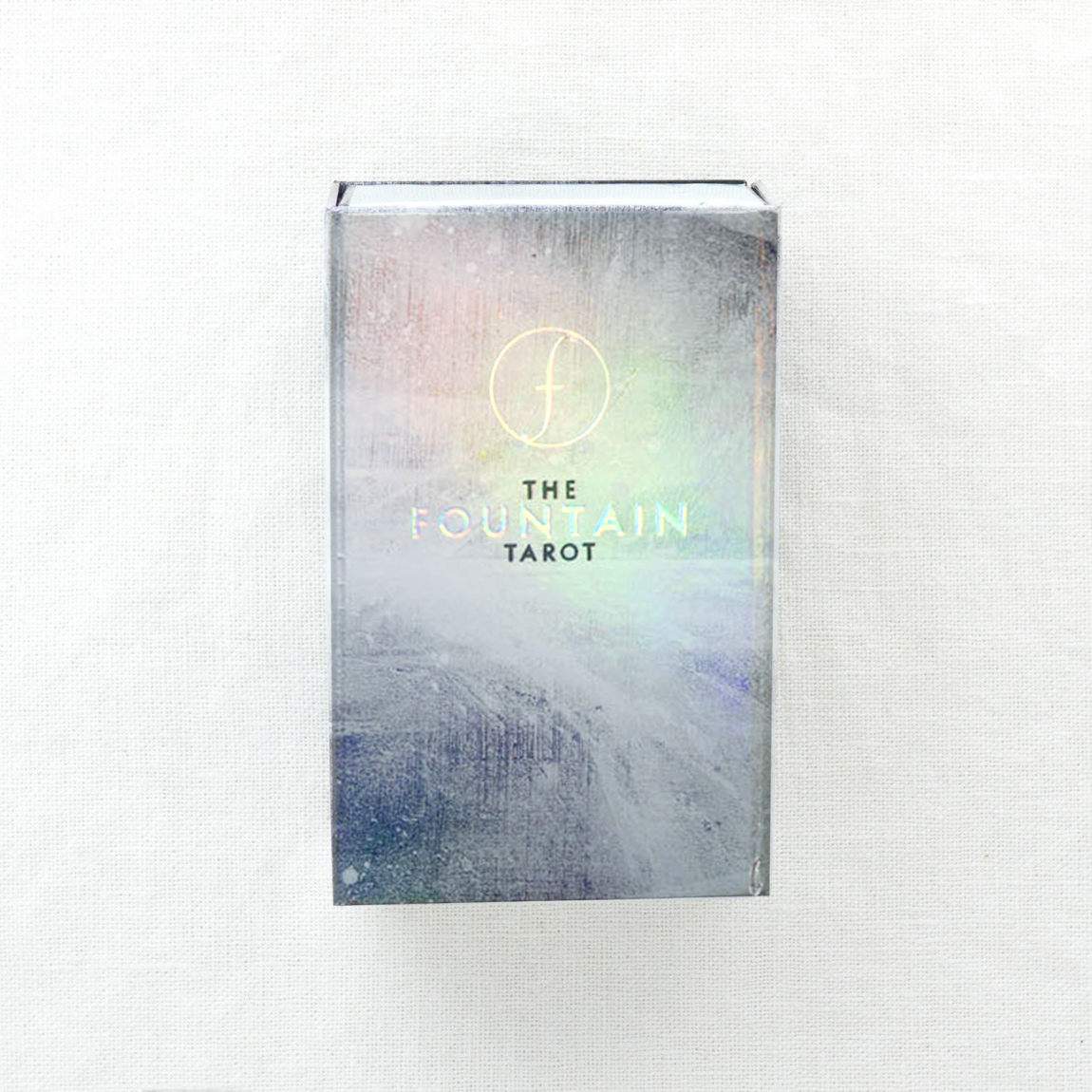
The Fountain Tarot is more than just a deck of cards—it’s a visual masterpiece that blends surrealism, symbolism, and modern artistry. Each card is a window into a dreamlike world, where water, light, and human figures intertwine to convey deep spiritual and emotional truths. The guidebook complements this artistic vision by offering interpretations that are both poetic and practical, making it accessible to readers of all levels.
The deck draws inspiration from classical art, mythology, and contemporary spirituality, creating a timeless yet fresh aesthetic. The water imagery, in particular, serves as a recurring motif, symbolizing fluidity, emotion, and the subconscious mind. This thematic consistency helps readers connect with the cards on a deeper level, whether they’re seeking guidance or simply exploring their own intuition.
How to Use The Fountain Tarot for Playful Exploration
One of the most exciting aspects of The Fountain Tarot is its ability to inspire playful curiosity. Unlike traditional tarot decks that may feel rigid or intimidating, this deck encourages a lighthearted approach to divination. You can use it to spark creative writing, brainstorm ideas, or even design your own tarot spreads tailored to your questions.
Try posing whimsical questions like, “What color best represents my current emotional state?” or “Which card embodies the energy I need to embrace this week?” The surreal and open-ended nature of the imagery makes it perfect for exploring abstract concepts in a fun, low-pressure way. The guidebook provides gentle nudges to help you interpret the cards without feeling overwhelmed by traditional meanings.
For a challenge, experiment with drawing a single card each morning and journaling about how its imagery resonates with your day. This practice can reveal unexpected insights and help you build a more intuitive relationship with the deck over time.
Navigating Challenges with The Fountain Tarot
While The Fountain Tarot is designed to be intuitive, some readers may encounter challenges when interpreting its more abstract cards. For instance, cards like The Star or The Moon feature dreamy, open-ended imagery that can feel ambiguous at first glance. The guidebook addresses this by offering multiple layers of interpretation, from traditional meanings to modern psychological insights.
To overcome these challenges, start by focusing on the emotions and sensations the cards evoke rather than trying to force a rigid interpretation. Ask yourself, “What does this image make me feel?” or “What story does this card tell me?” Over time, you’ll develop a personal connection to the deck that transcends any single guidebook definition.
Another potential challenge is reconciling the deck’s artistic style with traditional tarot symbolism. Some readers may find it difficult to align the surreal imagery with classic tarot meanings. In these cases, use the guidebook as a bridge—compare the deck’s interpretations with those of more traditional decks to find common ground. This exercise can deepen your understanding of tarot as a whole.

Creating Your Own Fountain Tarot Rituals
The Fountain Tarot isn’t just for readings—it’s a tool for ritual and reflection. You can incorporate it into daily practices, meditation sessions, or even creative projects. For example, try using the deck as a focal point for a moon cycle ritual, drawing a card each night to reflect on its themes before sleep.
Another idea is to use the cards as writing prompts. Select a card at random and write a short story, poem, or journal entry inspired by its imagery. This exercise can unlock hidden creativity and help you explore your subconscious in a structured yet imaginative way.
For those who enjoy group activities, The Fountain Tarot can be a fantastic conversation starter. Host a tarot-themed gathering where guests draw cards and share their interpretations, fostering a sense of connection and shared exploration.
Conclusion
The Fountain Tarot Book – The Complete Guide is more than a manual; it’s an invitation to explore the depths of your intuition through art, symbolism, and play. Whether you’re using it to answer life’s big questions, spark creativity, or simply enjoy the beauty of its imagery, this deck and its guidebook offer endless possibilities. Embrace the challenge of interpreting its abstract cards, let your curiosity guide you, and allow The Fountain Tarot to become a trusted companion on your journey. With each draw, you’ll uncover new layers of meaning—and perhaps even a little magic along the way.
FAQ
What is The Fountain Tarot?
The Fountain Tarot is a unique tarot deck that combines surrealism and symbolism, designed to enhance intuitive reading and personal exploration.
How can I use The Fountain Tarot?
You can use The Fountain Tarot for playful exploration, creative writing, daily rituals, and as a tool for self-reflection and insight.
What challenges might I face with The Fountain Tarot?
You may find some cards’ abstract imagery challenging to interpret. It’s recommended to focus on the emotions they evoke rather than rigid meanings.
Leave a Reply