Short Answer
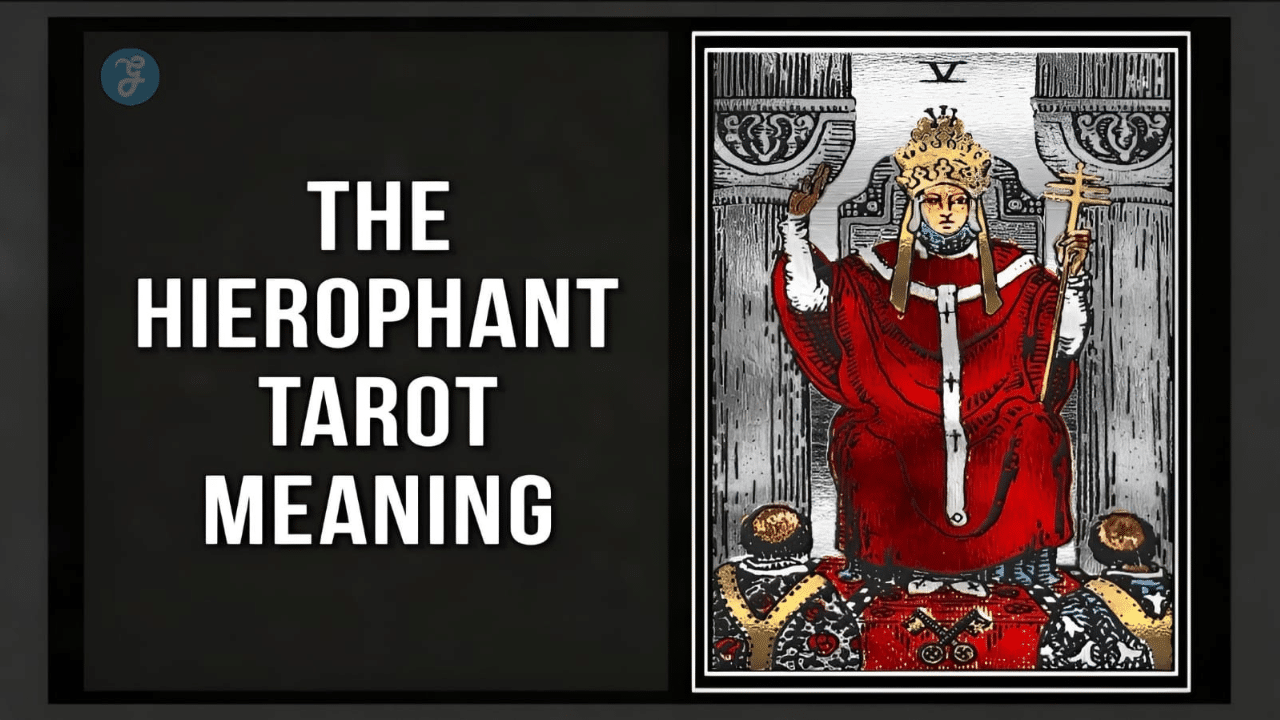
The Hierophant tarot card, often depicted as a wise spiritual leader seated between two pillars, holds deep symbolic meaning that resonates with seekers of wisdom and tradition. In this guide, you’ll explore the spiritual lessons embedded in The Hierophant, understand its role in tarot readings, and uncover why this card continues to captivate those drawn to esoteric knowledge. Whether you’re new to tarot or a seasoned practitioner, these insights will help you interpret The Hierophant’s message in your own life and spiritual journey.
The Hierophant as a Symbol of Tradition and Spiritual Guidance
The Hierophant represents the bridge between the divine and the earthly realms, often depicted as a religious figure or spiritual teacher. This card embodies the concept of structured wisdom, tradition, and the passing down of knowledge from one generation to the next. Unlike The Magician, who creates his own reality, The Hierophant relies on established systems—whether religious, philosophical, or cultural—to guide seekers toward enlightenment.
In many tarot decks, The Hierophant is shown with two disciples at his feet, symbolizing the student-teacher relationship. This imagery underscores the importance of mentorship and the value of learning from those who have walked the path before you. For those feeling lost or seeking direction, The Hierophant offers reassurance that guidance is available, but it must be sought through discipline and respect for tradition.
Key Themes: Structure, Belief, and Conformity
One of the most compelling aspects of The Hierophant is its exploration of structure versus personal belief. This card often appears when you’re questioning your faith, values, or the systems you’ve been taught to follow. While it encourages respect for tradition, it also invites you to examine whether these structures still serve your highest good.
The two pillars flanking The Hierophant in many decks represent duality—balance between opposites such as sacred and secular, conformity and rebellion, or the known and the unknown. When this card appears in a reading, it may signal a need to find harmony between adhering to external rules and trusting your inner voice. For instance, if you’re at a crossroads in your career or relationships, The Hierophant suggests weighing conventional wisdom against your personal convictions before making a decision.

Spiritual Lessons: When to Follow and When to Question
The Hierophant teaches that wisdom comes from both following and questioning. While it advocates for learning from established sources, it also reminds you that blind obedience can lead to stagnation. This card often appears when you’re being called to deepen your spiritual practice, whether through organized religion, meditation, or studying ancient texts.
However, The Hierophant also warns against dogma. If you’ve been adhering to beliefs or routines out of habit rather than conviction, this card urges you to reassess. Ask yourself: Are these traditions truly nourishing my soul, or am I following them out of fear or obligation? The Hierophant doesn’t demand rebellion, but it does encourage mindful engagement with the systems in your life.
For those exploring spirituality, The Hierophant may indicate a need for a mentor or a structured path, such as joining a study group or attending workshops. Yet, it also cautions against becoming too rigid—flexibility and personal intuition are equally important.
Common Misconceptions and Deeper Reasons for Fascination
A frequent observation about The Hierophant is that it’s often misunderstood as a card of oppression or rigid control. Some associate it with outdated institutions or oppressive dogma, which can make its appearance in a reading feel daunting. However, this interpretation overlooks the card’s deeper message: the pursuit of truth within a framework.
The fascination with The Hierophant likely stems from humanity’s eternal quest for meaning. We crave structure because it provides a sense of security, yet we also rebel against it when it feels stifling. This tension is what makes The Hierophant so relatable—it mirrors our internal struggle between order and freedom, tradition and innovation. The card’s enduring appeal lies in its ability to reflect these universal dilemmas, offering a mirror to our own spiritual journeys.

Practical Applications: How to Work with The Hierophant’s Energy
If The Hierophant appears in your tarot spread, consider it an invitation to explore your spiritual beliefs more deeply. Here are practical ways to engage with its energy:
- Seek Guidance: If you’re feeling uncertain, look for mentors, teachers, or resources that align with your values. This could be a spiritual leader, a book, or even a trusted friend who offers wisdom.
- Examine Your Beliefs: Write down the traditions or beliefs you’ve inherited. Which ones resonate with you, and which feel outdated? The Hierophant encourages you to honor what serves you while releasing what no longer does.
- Create Rituals: Incorporate daily or weekly rituals that ground you in your spiritual practice. This could be meditation, journaling, or studying sacred texts. The Hierophant thrives in environments where intention meets action.
- Balance Structure and Intuition: Use The Hierophant’s energy to find equilibrium between discipline and spontaneity. For example, if you’re working on a creative project, set a schedule (structure) but leave room for intuitive inspiration (freedom).
Conclusion
The Hierophant tarot card is far more than a symbol of rigid tradition—it’s a guide to navigating the delicate balance between wisdom and personal truth. Whether it appears in a reading as a call to deepen your spiritual practice or a warning against dogma, its message is clear: seek knowledge, question thoughtfully, and honor the traditions that empower you while releasing those that don’t. By embracing The Hierophant’s lessons, you’ll find clarity in your spiritual path and the courage to walk it with both reverence and discernment.
FAQ
What does The Hierophant tarot card signify?
The Hierophant represents tradition, spiritual guidance, and the importance of following established systems while also encouraging personal introspection.
How can I interpret The Hierophant in my tarot reading?
Consider the context of your question and reflect on the balance between adhering to traditions and trusting your own beliefs.
Leave a Reply