Short Answer
Welcome to this comprehensive guide on The Hierophant—a deep dive into one of the most enigmatic and debated cards in the tarot deck. Whether you’re a seasoned tarot reader, a curious beginner, or someone exploring esoteric traditions, this article will illuminate the multifaceted nature of The Hierophant. You’ll discover its symbolic meanings, historical roots, interpretations across different traditions, and its relevance in modern spirituality. By the end, you’ll have a nuanced understanding of whether The Hierophant represents a guiding tradition or a potential trap in your spiritual or personal journey.
The Hierophant: A Symbolic Overview
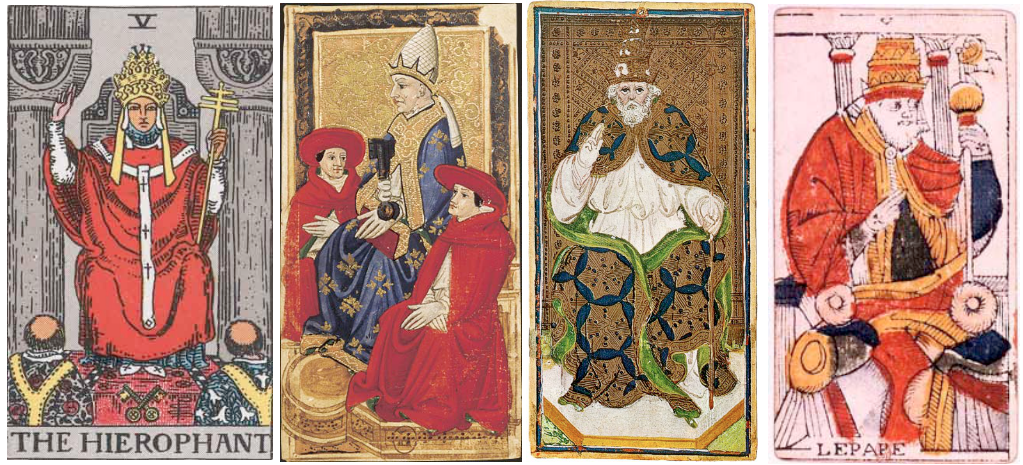
The Hierophant is the fifth card in the Major Arcana of the tarot deck, often depicted as a religious figure—such as a pope or high priest—sitting between two pillars of a sacred temple. He holds a triple cross or staff, symbolizing spiritual authority, and often has two acolytes kneeling before him, representing seekers of wisdom. This imagery is rich with meaning, pointing to themes of tradition, dogma, conformity, and the transmission of sacred knowledge.
The card’s number, five, is significant in numerology, often associated with balance, conflict, and the challenges of human experience. In the context of The Hierophant, this can represent the tension between individual belief and institutional authority, or the struggle between personal intuition and inherited tradition. The two pillars behind the figure are reminiscent of those in the High Priestess card, suggesting a connection between hidden wisdom and revealed doctrine, but with a stronger emphasis on structure and orthodoxy.

Tradition and Orthodoxy: The Positive Aspects
The Hierophant is often seen as a guardian of tradition, representing the wisdom passed down through generations. In this light, the card can symbolize the importance of learning from established systems—whether religious, philosophical, or cultural. It encourages respect for elders, mentors, and institutions that preserve knowledge and provide structure. For those seeking guidance, The Hierophant can be a reassuring presence, offering a path rooted in time-tested principles.
In a spiritual context, The Hierophant may signify initiation into a tradition, such as a rite of passage in a religious order or a formal study under a teacher. It can represent the value of ritual, symbolism, and the collective wisdom of a community. Many find comfort in this card when they are exploring their faith or seeking to deepen their understanding of a spiritual path. It suggests that wisdom is not discovered in isolation but through engagement with a lineage of seekers and teachers.
The Hierophant as a Potential Trap: Blind Conformity and Dogma
While The Hierophant can represent the benefits of tradition, it also carries warnings about the dangers of unquestioning conformity. The card’s association with dogma and rigid belief systems can become a trap when it stifles individual thought, suppresses dissent, or discourages personal spiritual exploration. Blind adherence to tradition without critical thinking can lead to stagnation, where outdated or harmful practices are perpetuated simply because “that’s how it’s always been.”
In a psychological sense, The Hierophant may reflect the internalized voice of authority—whether parental, societal, or religious—that dictates what is acceptable or moral. When this voice becomes oppressive, it can prevent personal growth, creativity, and authentic self-expression. The two acolytes in the card’s imagery can symbolize followers who have surrendered their individuality to the authority of the Hierophant, raising questions about the cost of conformity.
Interpretations Across Different Traditions
The Hierophant’s meaning can vary significantly depending on the cultural or spiritual context in which it is interpreted. In Western esoteric traditions, such as the Golden Dawn or Aleister Crowley’s Thoth deck, The Hierophant is often linked to the Hebrew letter Vav, symbolizing connection and the link between heaven and earth. Crowley, however, rebranded this card as “The Hierophant” in his deck, emphasizing its role as a bridge between the divine and the human.
In Christian tarot interpretations, The Hierophant is frequently associated with the Pope or the institutional church, representing the authority of the clergy and the transmission of divine truth. This can be both a source of comfort and a point of contention, especially for those who question organized religion. In contrast, Eastern traditions might interpret The Hierophant through the lens of dharma or sacred law, seeing it as a guide to righteous living rather than a rigid set of rules.
For modern spiritual seekers, The Hierophant can also represent the blending of traditions, encouraging a synthesis of wisdom from multiple sources rather than strict adherence to one. This interpretation aligns with the card’s potential to be both a teacher and a cautionary figure, depending on how it is engaged.
Practical Applications: How to Work with The Hierophant
Whether you’re drawing The Hierophant in a tarot reading or simply reflecting on its themes, there are practical ways to engage with its energy. If you’re seeking guidance, The Hierophant can encourage you to explore structured paths of learning, such as formal study in a spiritual discipline, mentorship under a teacher, or participation in a religious community. It may also prompt you to examine your relationship with authority—are you following traditions out of genuine respect, or out of fear of deviation?
On a shadow work level, The Hierophant can invite you to question where you might be suppressing your true beliefs in favor of external expectations. Are there areas of your life where you feel trapped by dogma—whether religious, cultural, or personal? Journaling or meditation on this card can help uncover these patterns and empower you to reclaim your autonomy while still honoring the wisdom of the past.
In creative pursuits, The Hierophant might inspire you to draw from traditional forms and techniques while infusing them with your unique perspective. This card can be a reminder that innovation often arises from a deep understanding of and respect for what has come before.
Conclusion
The Hierophant is a card of profound duality—it can be a beacon of wisdom, tradition, and guidance, or a symbol of the traps that come with unquestioning conformity and dogma. Its power lies in its ability to reflect both the beauty and the limitations of structured systems, whether spiritual, cultural, or personal. By engaging with The Hierophant thoughtfully, you can harness its energy to deepen your understanding of tradition while remaining vigilant against the pitfalls of blind adherence.
Ultimately, The Hierophant challenges you to strike a balance: to honor the wisdom of the past while staying true to your own inner voice. Whether it serves as a mentor or a mirror, this card invites you to explore the boundaries between guidance and constraint, conformity and authenticity. In doing so, you may find that the greatest lesson of The Hierophant is not about following the path laid out before you, but about discerning which parts of that path truly resonate with your soul.
FAQ
What does The Hierophant tarot card symbolize?
The Hierophant symbolizes tradition, spiritual authority, and the transmission of sacred knowledge, but also warns against blind conformity and dogma.
How can one work with The Hierophant card?
Engaging with The Hierophant can involve exploring structured paths of learning or questioning where you might be suppressing true beliefs for external expectations.
FAQ
What does The Hierophant tarot card symbolize?
The Hierophant symbolizes tradition, spiritual authority, and the transmission of sacred knowledge, but also warns against blind conformity and dogma.
How can one work with The Hierophant card?
Engaging with The Hierophant can involve exploring structured paths of learning or questioning where you might be suppressing true beliefs for external expectations.
Leave a Reply