Short Answer
In this guide, you’ll explore the captivating essence of the Intuitive Night Goddess—the Moon—and uncover the deeper reasons behind humanity’s enduring fascination with her. From her symbolic role in mythology to the psychological and spiritual connections people feel toward her, this article delves into the layers of meaning that make the Moon a timeless archetype of intuition, mystery, and transformation. Whether you’re drawn to her as a celestial guide or simply intrigued by her cultural significance, you’ll gain insights into why the Moon continues to inspire awe and reflection across generations.
The Moon as a Symbol of Intuition and Inner Wisdom
The Moon has long been revered as a symbol of intuition, the subconscious mind, and the hidden aspects of human nature. Unlike the Sun, which represents clarity and outward action, the Moon governs the realm of dreams, emotions, and instinct. In many traditions, she is seen as a guide through the shadows, illuminating truths that lie beneath the surface. This duality—between light and dark, conscious and unconscious—makes her a powerful figure in spiritual and psychological contexts. People often turn to the Moon during times of introspection, seeking her guidance to navigate life’s uncertainties. Her phases, from waxing to waning, mirror the cyclical nature of human emotions, reinforcing the idea that change is not only inevitable but necessary for growth.
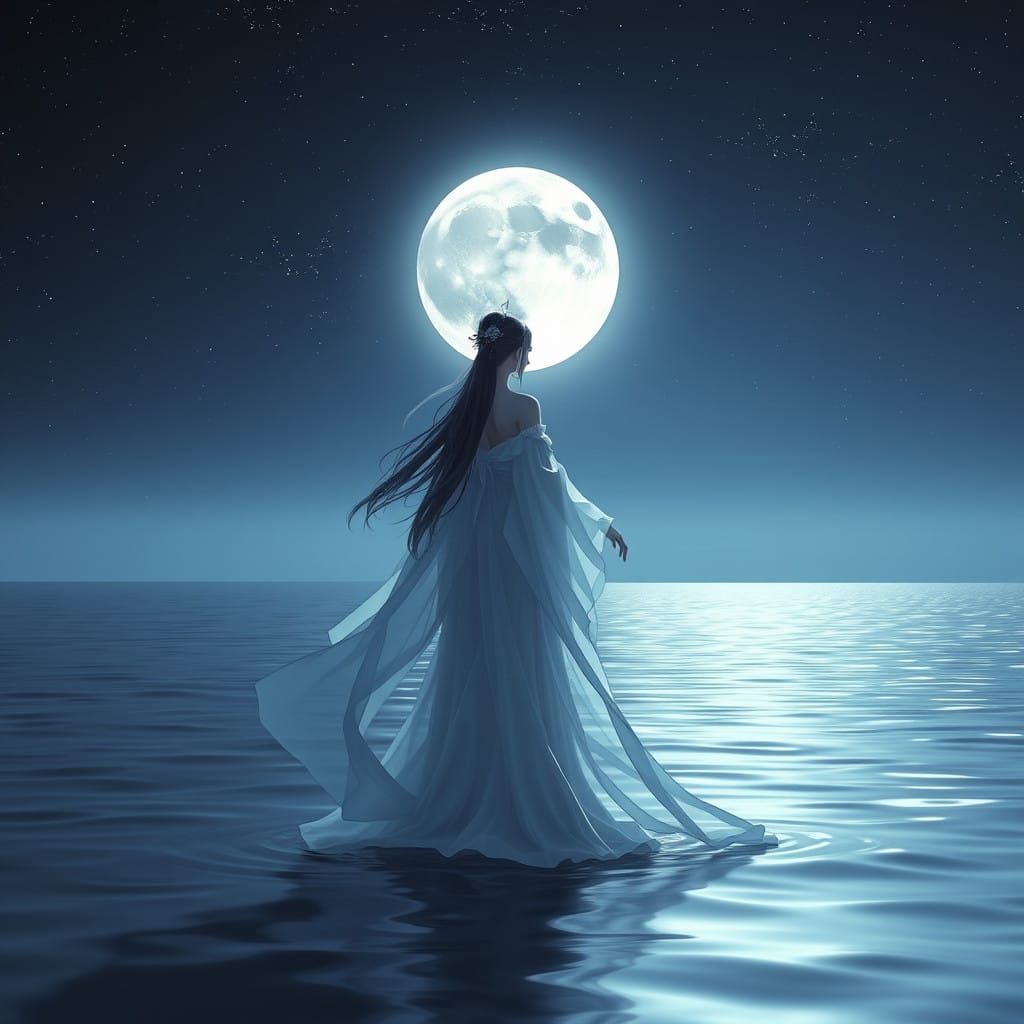
Cultural and Mythological Depictions of the Moon Goddess
Across civilizations, the Moon has been personified as a goddess, each culture weaving its own narrative around her. In Greek mythology, Selene is the Titaness who drives her silver chariot across the night sky, while in Hindu tradition, Chandra is the lunar deity associated with beauty and healing. These figures often embody traits such as compassion, mystery, and the power to reveal hidden truths. In modern times, the Moon Goddess is frequently depicted in art and literature as an ethereal, almost otherworldly being, reflecting humanity’s awe of her luminous presence. These portrayals serve as a reminder of the Moon’s role as a bridge between the earthly and the divine, a celestial entity that watches over both the seen and unseen worlds.

The Psychological and Emotional Connection to the Moon
Beyond mythology, the Moon holds a profound psychological significance. Many people report feeling a deep emotional pull during a full Moon, a phenomenon often attributed to the Moon’s gravitational influence on Earth’s tides—and, by extension, the human body, which is composed largely of water. This connection is reflected in practices like lunar meditation, where individuals harness the Moon’s energy to set intentions or release negativity. The Moon’s cyclical nature also resonates with the human experience of change, offering a framework for understanding life’s ebbs and flows. For those who feel drawn to her, the Moon becomes a mirror, reflecting their inner landscapes and guiding them toward self-discovery and healing.
The Moon in Art and Creativity
Artists and creators have long been inspired by the Moon’s enigmatic beauty. Paintings, poems, and songs often depict her as a muse, a silent witness to human struggles and triumphs. The ethereal glow of the Moon in visual art evokes a sense of wonder, while her presence in literature symbolizes themes of transformation, mystery, and the passage of time. In modern digital art, the Moon Goddess is frequently portrayed with an otherworldly elegance, blending ancient symbolism with contemporary aesthetics. These creative expressions highlight the Moon’s enduring appeal as a source of inspiration, inviting viewers to explore their own relationship with the night sky.

The Moon as a Guide for Personal Growth
For many, the Moon serves as a metaphorical guide on the journey of personal growth. Her phases—new, waxing, full, and waning—mirror the stages of life, from beginnings to endings and everything in between. By aligning with these cycles, individuals can cultivate mindfulness, set intentions during the new Moon, and release what no longer serves them during the waning phase. The Moon’s association with intuition also encourages a deeper trust in one’s inner voice, fostering resilience and self-awareness. Whether through ritual, reflection, or creative expression, the Moon offers a pathway to understanding oneself and the world with greater clarity and compassion.
Conclusion
The Intuitive Night Goddess—the Moon—remains a powerful and multifaceted symbol, weaving together mythology, psychology, and art into a tapestry of meaning. Her ability to evoke both awe and introspection speaks to her universal appeal, transcending time and culture. Whether you see her as a celestial guide, a muse for creativity, or a reflection of your inner world, the Moon’s presence continues to inspire wonder and connection. By exploring her depths, you open yourself to a deeper understanding of intuition, transformation, and the mysteries that lie within and beyond.
FAQ
What does the Moon symbolize?
The Moon symbolizes intuition, the subconscious, and emotional depth.
How is the Moon depicted in different cultures?
The Moon is personified in various cultures, such as Selene in Greek mythology and Chandra in Hindu tradition.
What is lunar meditation?
Lunar meditation is a practice where individuals harness the Moon's energy for setting intentions or releasing negativity.
Leave a Reply