Short Answer
Welcome to a deep exploration of The Knight, The Knights, & The Labyrinth—a concept that transcends mere narrative to become a profound metaphor for life’s journey, human resilience, and the eternal struggle between order and chaos. In this guide, you’ll uncover the layers of meaning embedded in this timeless motif, discover its psychological and philosophical underpinnings, and explore how it manifests in art, literature, and digital media. Whether you’re a storyteller, a philosopher, or simply a curious mind, this journey will illuminate why the labyrinth and the knight have captivated humanity for centuries.
The Labyrinth as a Metaphor: A Maze of Existence
The labyrinth is far more than a physical structure; it is a symbol of life’s complexities, challenges, and hidden truths. Ancient myths, from the Greek legend of the Minotaur’s maze to the intricate designs of medieval cathedrals, use the labyrinth to represent the human condition—where every twist and turn mirrors the uncertainties and trials we face. Unlike a simple maze, a labyrinth has a single path leading to the center, suggesting that the journey itself, not just the destination, holds transformative power. This metaphor resonates deeply in modern storytelling, where characters often find themselves navigating moral dilemmas, personal growth, or existential quests within labyrinthine narratives.
In psychological terms, the labyrinth can symbolize the subconscious mind. Carl Jung’s concept of the “shadow” and the “self” aligns with the labyrinth’s winding paths, where confronting inner demons (or the Minotaur within) becomes a rite of passage. The knight, then, is not just a warrior but a seeker—a representation of the individual’s struggle to reconcile contradictions, face fears, and emerge enlightened. This duality of the labyrinth as both a prison and a path to wisdom makes it a versatile and enduring symbol.
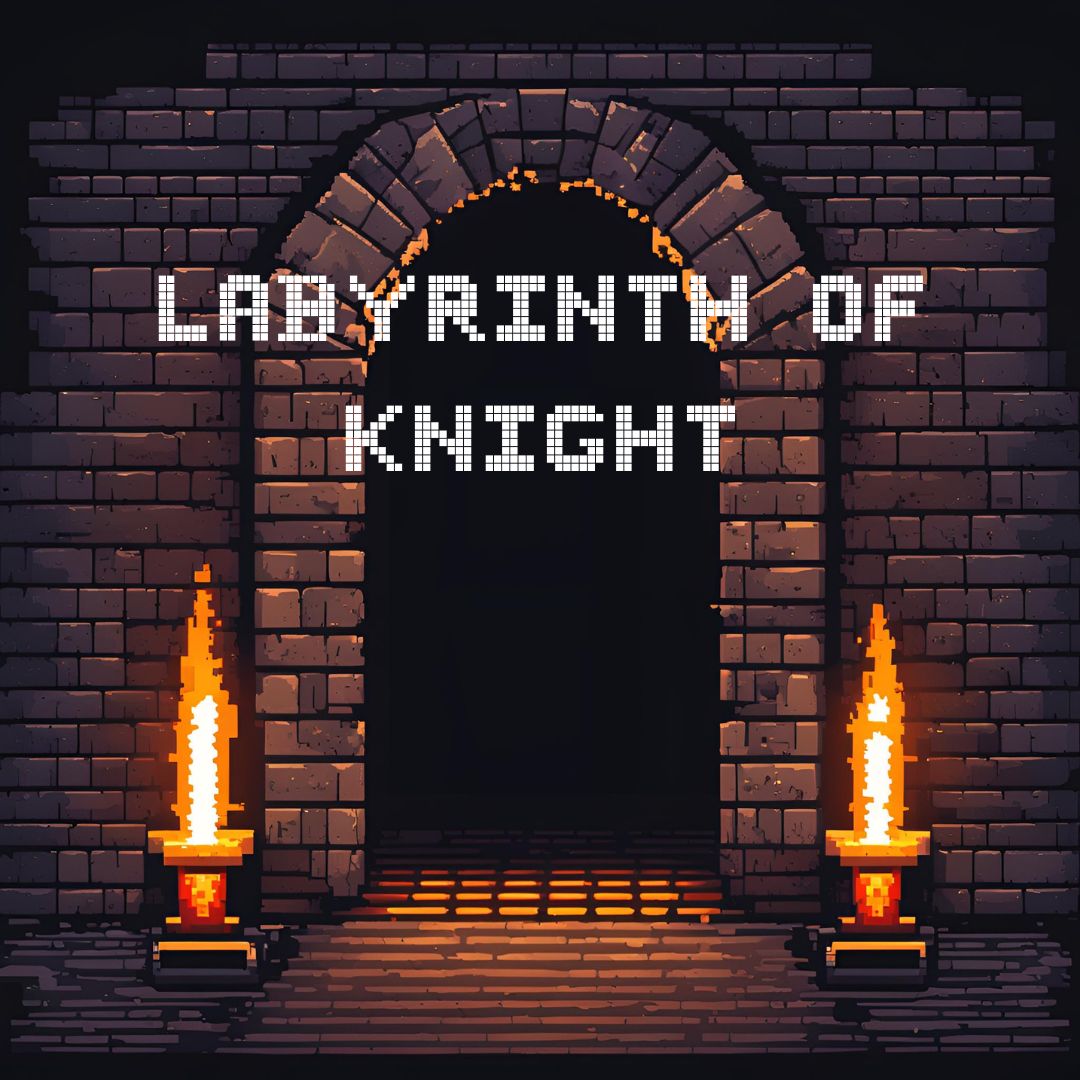
The Knight: Archetype of the Seeker
The knight is one of humanity’s most enduring archetypes—a figure of honor, courage, and relentless pursuit. In the context of the labyrinth, the knight embodies the hero’s journey, as outlined by Joseph Campbell. Unlike a traditional warrior who seeks conquest, the labyrinth-bound knight is a seeker of truth, often battling not external foes but internal ones. This shift from external to internal conflict elevates the knight from a mere adventurer to a symbol of self-discovery and growth.
Culturally, knights have evolved from medieval warriors to modern-day protagonists in literature, games, and films. In The Black Knight in the Labyrinth, for instance, the knight is portrayed as a guardian of forgotten wisdom, standing at the crossroads of fate. This interpretation highlights the knight’s role as a bridge between the known and the unknown, the mundane and the mystical. The armor the knight wears—whether literal or metaphorical—represents the defenses we build against vulnerability, while the sword or shield symbolizes the tools we wield to navigate life’s challenges.
Moreover, the knight’s journey is cyclical. After emerging from the labyrinth, the knight often returns to the world, changed and enlightened, to share their wisdom. This mirrors the hero’s return in myths, where the protagonist brings back boons for their community. The labyrinth, therefore, is not just a test but a crucible for transformation, and the knight is both the subject and the agent of that change.
The Duality of the Labyrinth: Order vs. Chaos
At its core, the labyrinth represents the tension between order and chaos—a fundamental duality in human experience. The structured path of the labyrinth contrasts with the unpredictable nature of the world outside, where chaos often reigns. This duality is reflected in the knight’s struggle: the need to impose order on chaos, to find meaning in the seemingly random, and to impose will on the uncontrollable. In this light, the labyrinth becomes a microcosm of the universe itself, where every choice, every step, shapes the journey’s outcome.
In digital and interactive media, this duality is often explored through gameplay mechanics. Games like Dark Souls or The Legend of Zelda use labyrinthine environments to challenge players, forcing them to adapt, learn, and overcome obstacles. The knight, in these contexts, is the player—a figure who must navigate not just physical mazes but the chaos of uncertainty, failure, and discovery. The labyrinth, then, is both a test and a teacher, revealing the player’s (or knight’s) strengths and weaknesses with each step.
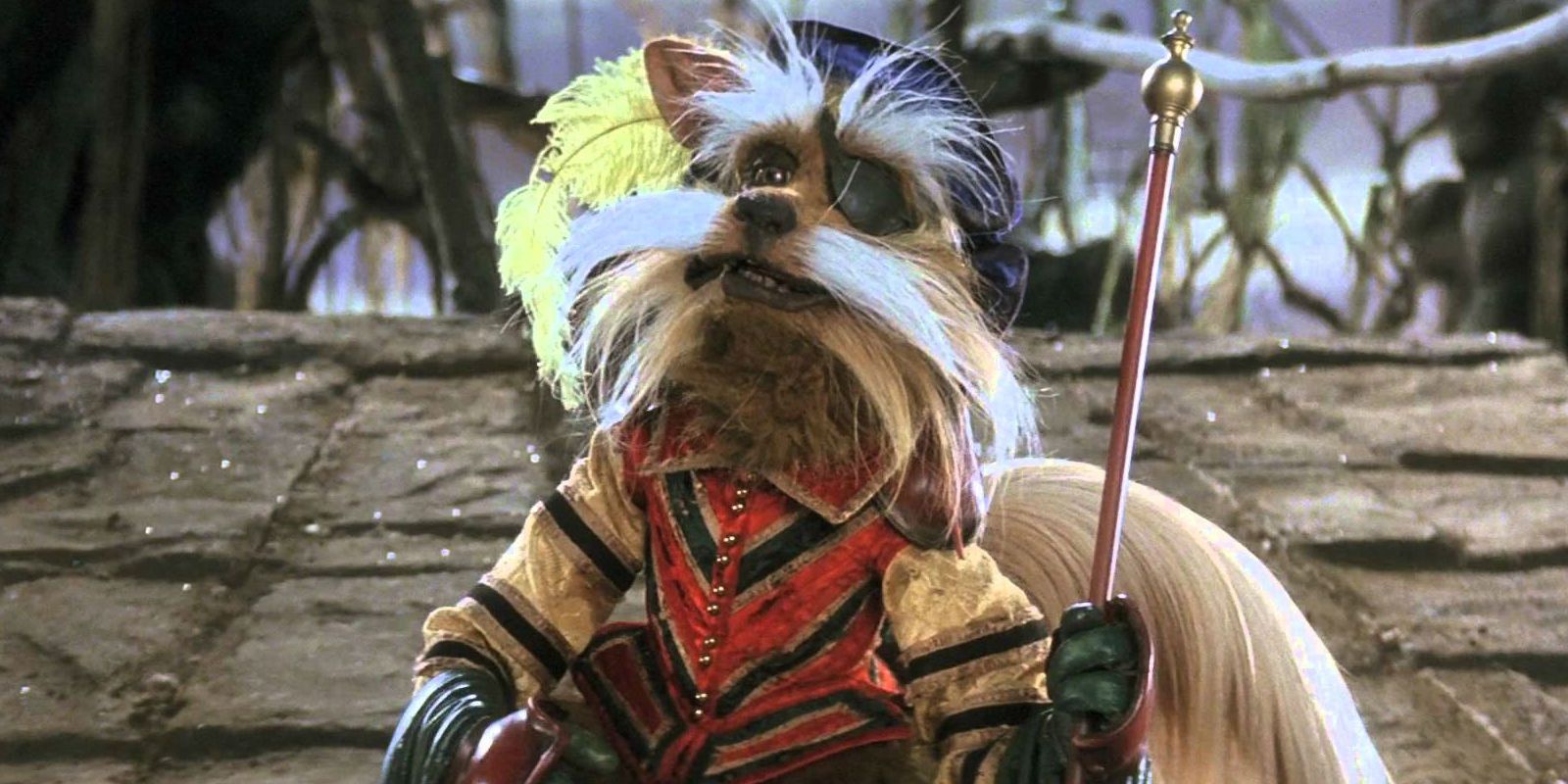
The Language of Symbols: Decoding the Knight’s Path
The relationship between the knight and the labyrinth is rich with symbolic language. The knight’s armor, for example, can signify protection or isolation, while the sword may represent both defense and the power to cut through illusions. The labyrinth’s walls might symbolize societal norms or personal limitations, while the center could represent enlightenment, the self, or a divine truth. Understanding these symbols allows us to interpret the knight’s journey as a universal allegory for growth, resilience, and the search for meaning.
In literature, this symbolism is often layered. Consider the works of Jorge Luis Borges, where labyrinths become metaphors for infinite possibilities or the cyclical nature of time. The knight, in such narratives, is not just a character but a vessel for exploring philosophical questions: What does it mean to seek? What lies at the heart of the labyrinth? These questions resonate because they mirror our own struggles to find purpose in a complex world.
Digital media, too, leverages this symbolism. In Fables: The Black Knight in the Labyrinth, the knight is depicted as a figure navigating a world where stories and realities blur. Here, the labyrinth is not just a physical space but a metaphor for the interconnectedness of narratives, where every choice alters the path. This modern reinterpretation keeps the ancient metaphor alive, proving its adaptability across time and mediums.
The Unique Appeal: Why the Labyrinth Endures
The enduring appeal of the knight and the labyrinth lies in their ability to reflect the human experience in all its complexity. They are flexible symbols that can be adapted to any era or culture, whether as a cautionary tale about hubris (as in the Minotaur myth) or a celebration of perseverance (as in modern video games). Their power lies in their ambiguity—they can represent struggle, discovery, or even the beauty of getting lost. This versatility ensures that the labyrinth and the knight remain relevant, inviting new generations to explore their depths.
Moreover, the labyrinth’s structure—with its single path and inevitable center—mirrors the inevitability of confronting one’s true self. There are no shortcuts, no easy outs. The knight must face the labyrinth’s challenges head-on, much like we must confront our own fears and flaws. This honesty about the journey’s difficulty is what makes the metaphor so compelling. It doesn’t promise a happy ending but offers the possibility of growth through struggle.
In art and design, the labyrinth’s aesthetic appeal also plays a role in its popularity. The intricate patterns, the sense of mystery, and the interplay of light and shadow create a visually striking motif that captivates the imagination. Whether rendered in stone, ink, or pixels, the labyrinth invites viewers to step into its world and lose themselves in the process.
Conclusion: The Eternal Dance of Knight and Labyrinth
The interplay between the knight and the labyrinth is more than a story—it is a mirror held up to humanity. It reflects our fears, our aspirations, and our unyielding quest for meaning. The labyrinth teaches us that life is not about avoiding the unknown but about embracing the journey, with all its twists and turns. The knight, in turn, reminds us that we are both the seekers and the sought—capable of transformation if we dare to venture into the maze.
As we navigate our own labyrinths—whether literal or metaphorical—we are all knights in some way. The path may be daunting, the challenges unforgiving, but the reward is the wisdom gained along the way. The labyrinth does not promise an end to struggle, but it offers the hope of understanding, growth, and perhaps, in the quiet center, a moment of clarity. In this eternal dance between the seeker and the maze, we find not just stories to tell, but truths to live by.
FAQ
What is the significance of the labyrinth in mythology?
In mythology, the labyrinth often represents a complex journey or challenge, such as the Greek myth of the Minotaur’s maze symbolizing a rite of passage or confrontation with inner demons.
How does the knight differ from a traditional warrior in this context?
The knight is portrayed not as a conqueror but as a seeker of truth and self-growth, battling internal rather than external foes within the labyrinth.
What does the knight’s armor and weapons symbolize?
The armor represents protection or isolation, while the sword and shield symbolize tools to navigate and overcome life’s challenges and illusions.
Why is the journey through the labyrinth considered transformative?
Because it requires confronting fears, uncertainties, and personal limitations, leading to wisdom and enlightenment as symbolized by reaching the labyrinth’s center.
Leave a Reply