Short Answer
Welcome to this comprehensive guide on The Magus Thoth – Crowley’s Magician. Here, you will explore the rich symbolism, esoteric significance, and practical applications of this iconic Tarot card. Whether you’re a seasoned occultist, a Tarot enthusiast, or simply curious about the mysteries of the Thoth deck, this guide will illuminate the depths of Crowley’s Magician. You’ll learn about its visual elements, astrological and Qabalistic correspondences, and how to interpret its messages in readings. By the end, you’ll have a deeper understanding of how this card functions as a bridge between the mundane and the magical.
The Magus Thoth: An Overview
The Magus, known as the Magician in many Tarot decks, is the first Major Arcana card in the Thoth Tarot system. It represents the initial spark of creation, the power of manifestation, and the union of opposites. In Crowley’s interpretation, the Magus is not just a trickster or a showman but a divine force channeling cosmic energy. The card embodies the principle of “To Make” (Atu I), symbolizing the act of bringing ideas into reality through willpower and skill. The Magus stands at the threshold of the Fool’s journey, wielding tools that bridge the spiritual and material worlds. His presence in a reading often signals a call to action, creativity, or the harnessing of personal power.
Visual Symbolism and Imagery
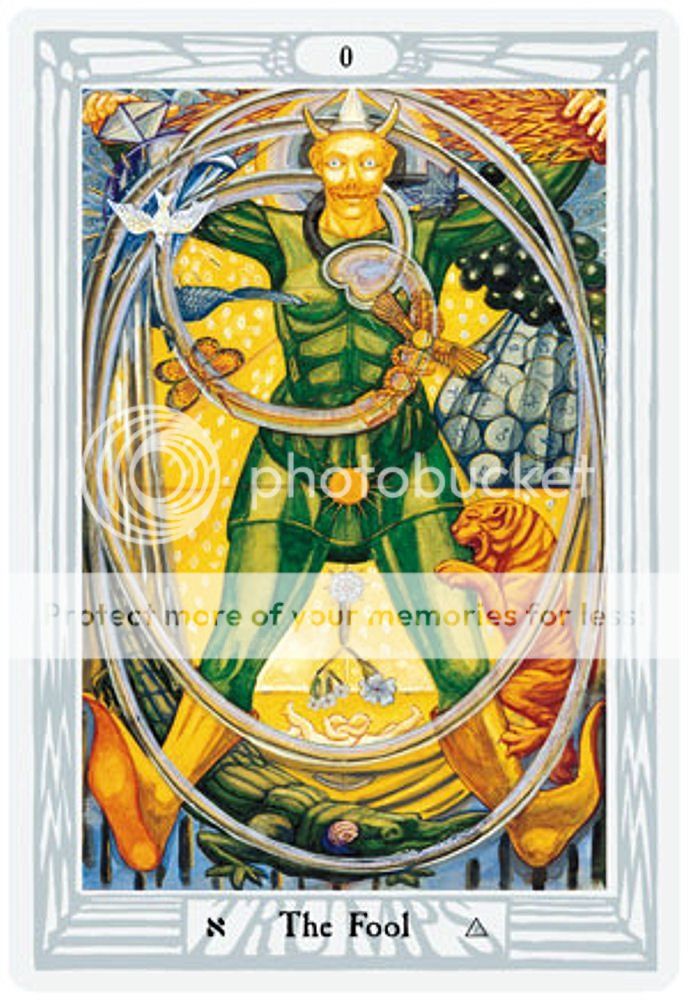
The imagery of The Magus in the Thoth Tarot is dense with esoteric meaning. Crowley depicts the Magus as a figure standing before an altar, surrounded by elemental symbols—pentagrams, wands, cups, swords, and coins—representing the four suits of the Minor Arcana. His right hand points to the heavens, while his left hand is directed toward the earth, illustrating the connection between the divine and the material. The Magus wears a headdress adorned with a solar disk, emphasizing his solar nature and connection to the Sun card. The serpent coiled around his waist symbolizes kundalini energy, while the eagle and lion at his feet represent the alchemical marriage of opposites. The background features Hebrew letters and astrological symbols, grounding the card in Qabalistic and astrological tradition.
Astrological and Qabalistic Correspondences
The Magus is associated with the planet Mercury, the ruler of communication, intellect, and commerce. In Qabalah, it corresponds to the sephirah Kether (Crown) on the Tree of Life, the source of divine will and the first emanation of the Godhead. This placement underscores the Magus’s role as a channel for cosmic energy, translating abstract spiritual forces into tangible reality. The card also resonates with the astrological sign of Virgo, highlighting themes of precision, analysis, and service. When The Magus appears in a spread, it may suggest a need to refine your thoughts, communicate clearly, or engage in intellectual pursuits. Its connection to Mercury also hints at the power of words and symbols to shape reality.
Interpreting The Magus in Readings
In a Tarot reading, The Magus is a card of potential and action. It encourages you to take control of your destiny, harness your skills, and manifest your goals. When upright, it signifies creativity, resourcefulness, and the ability to turn ideas into reality. The Magus may appear when you’re being called to start a new project, communicate your intentions, or assert your personal power. However, in a reversed position, it can indicate manipulation, trickery, or a misuse of power. It may warn against deception—either from others or within yourself. The Magus reversed can also suggest a lack of focus or direction, urging you to clarify your objectives and avoid scattering your energy.
When The Magus appears alongside other cards, its meaning can shift. For example, paired with The High Priestess, it may suggest a need to balance intuition with action. With The Tower, it could indicate a sudden revelation or a breakdown of illusions, forcing you to reassess your approach. The Magus is a versatile card that adapts to the context of the reading, making it essential to consider its surrounding cards for a nuanced interpretation.
The Magus as a Spiritual Teacher
Beyond its role in divination, The Magus serves as a spiritual teacher, guiding seekers toward self-mastery and enlightenment. Crowley’s Magician is not merely a figure of external power but a symbol of inner transformation. The card invites you to recognize your own divine potential and to wield your will with wisdom and discernment. It teaches that true magic lies in the alignment of your thoughts, words, and actions with your highest purpose. The Magus challenges you to pose a playful yet profound question: What would you create if you knew you could not fail? This question is not just rhetorical—it’s an invitation to explore the boundaries of your imagination and to step into your role as a co-creator of your reality.
However, The Magus also introduces a potential challenge: the temptation to overreach or to confuse means with ends. The Magus’s tools are powerful, but they must be used responsibly. The card warns against the ego’s tendency to grasp for control without wisdom. It asks you to consider whether your actions are aligned with your soul’s purpose or merely driven by fleeting desires. The Magician’s true power lies in his ability to discern the difference.
Practical Applications: Working with The Magus
If you feel drawn to work with The Magus on a deeper level, there are several practical ways to engage with its energy. Meditation on the card’s imagery can help you internalize its lessons of willpower and manifestation. You might visualize yourself standing in the Magus’s pose—one hand reaching upward, the other grounded—while setting an intention for what you wish to create. Ritual work can also be powerful; for example, you could anoint a candle with oil while focusing on a specific goal, drawing on The Magus’s energy to fuel your efforts. Journaling about the card’s message in your life can reveal patterns and insights, helping you harness its energy more effectively.
For those interested in ceremonial magic, The Magus is a gateway to exploring the principles of Theurgy—the practice of divine work. Crowley’s system emphasizes the Magus’s role as a bridge between the human and the divine, making it a key card for rituals involving invocation, evocation, or the consecration of tools. By studying the correspondences of Mercury and Kether, you can deepen your understanding of how to align your personal will with the cosmic will, transforming The Magus from a symbolic figure into a living force in your practice.
Conclusion
The Magus Thoth – Crowley’s Magician is far more than a Tarot card; it is a profound symbol of creation, will, and transformation. Through its rich imagery, astrological ties, and Qabalistic roots, it offers a roadmap for navigating the journey from potential to actualization. Whether it appears in a reading or as a focal point in your spiritual practice, The Magus challenges you to step into your power, wield your tools with intention, and embrace your role as a magician of your own life. It reminds you that magic is not about illusion but about the disciplined application of will to shape reality. As you continue to explore its depths, let The Magus inspire you to ask bold questions, take courageous actions, and trust in your ability to manifest the extraordinary.
FAQ
What does The Magus card represent in Tarot?
The Magus represents the initial spark of creation, manifestation, and the union of opposites, urging action and creativity.
How do you interpret The Magus in a reading?
Upright, it signifies creativity and resourcefulness; reversed, it may indicate manipulation or a lack of focus.
Leave a Reply