Short Answer
Welcome to a deep exploration of the Marseille Arcana, the foundational Major Arcana of the French Tarot tradition. This guide will illuminate the symbolic richness, historical significance, and transformative power of these 22 archetypal cards. You’ll discover how the Marseille Arcana serves as a mirror for personal growth, a catalyst for perspective shifts, and a source of timeless wisdom. Whether you’re a seasoned tarot reader or a curious newcomer, this journey through the Major Arcana will reveal layers of meaning that resonate with life’s most profound questions.
The Origins and Legacy of the Marseille Arcana
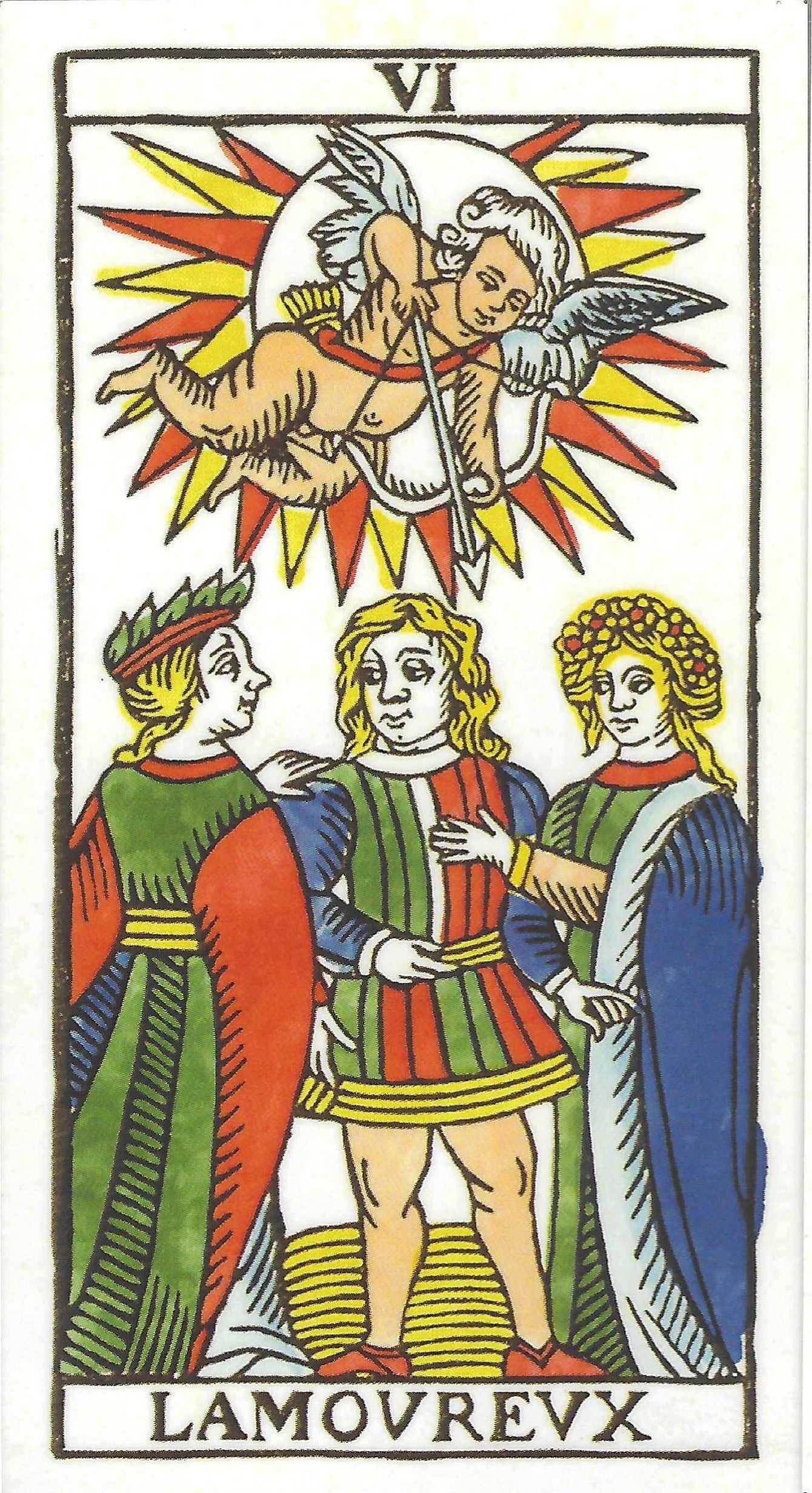
The Marseille Arcana traces its roots to 15th-century Europe, emerging as a refined version of earlier tarot decks like the Visconti-Sforza. Named after the French port city of Marseille, this deck became a cornerstone of cartomancy, particularly in France and Italy. Unlike later esoteric decks, the Marseille Arcana retains a stark, symbolic simplicity that prioritizes archetypal clarity over ornate detail. Its imagery—often featuring bold lines, primary colors, and minimalist figures—serves as a visual language that transcends cultural barriers.
The deck’s structure follows the traditional Major Arcana numbering from 0 (The Fool) to XXI (The World), with each card embodying a universal life theme. The Marseille tradition emphasizes the narrative arc of these cards, framing them as a journey from innocence (The Fool) to enlightenment (The World). This linear progression mirrors the human experience, making the deck a powerful tool for self-reflection and transformation.

Symbolism and Iconography: Decoding the Marseille Major Arcana
The Marseille Arcana’s symbolism is both deliberate and open to interpretation, inviting readers to engage with its imagery on multiple levels. Key symbols recur across the deck, creating a cohesive visual language:
- Numbers and Letters: Each card is marked with a Roman numeral (I–XXI) and a Hebrew letter (Aleph to Tav), linking the deck to Kabbalistic and astrological traditions. These elements suggest a hidden order beneath apparent chaos.
- Archetypal Figures: Characters like The Magician (I), The High Priestess (II), and The Hanged Man (XII) represent universal human experiences—power, intuition, sacrifice—rendered in stark, almost abstract forms.
- Animals and Objects: Animals such as the lion (Strength, XI) or the sphinx (The Chariot, VII) carry deep mythological significance, while objects like the sword (Justice, VIII) or the scales (The Wheel of Fortune, X) symbolize moral and cosmic balance.
One of the Marseille Arcana’s most striking features is its lack of overt esoteric imagery. Unlike the Rider-Waite-Smith deck, which incorporates detailed scenes, the Marseille cards often feature minimalist designs. For example, The Tower (XVI) is depicted as a simple wooden structure struck by lightning, devoid of dramatic figures. This austerity forces the reader to focus on the card’s essence rather than its narrative, encouraging intuitive leaps over literal interpretation.
The Fool’s Journey: A Path of Transformation
The Marseille Arcana is often described as a hero’s journey, with The Fool (0) as the protagonist embarking on a transformative odyssey. This narrative unfolds through the Major Arcana’s sequence, each card representing a stage in the soul’s evolution:
- Innocence and Potential: The Fool (0) embodies spontaneity and uncharted beginnings, stepping off a cliff into the unknown.
- Mastery and Duality: The Magician (I) and The High Priestess (II) introduce the tools of creation (sword, cup, wand, pentacle) and the veil of hidden knowledge.
- Conflict and Resolution: Cards like The Lovers (VI) and The Chariot (VII) explore choices, willpower, and the integration of opposites.
- Sacrifice and Renewal: The Hanged Man (XII) and Death (XIII) symbolize letting go, while Temperance (XIV) and The Devil (XV) delve into balance and shadow work.
- Awakening and Completion: The Tower (XVI), The Star (XVII), and The World (XXI) mark moments of revelation, hope, and ultimate wholeness.
This journey is not linear but cyclical, reflecting life’s recurring themes. The Marseille Arcana teaches that growth comes from embracing each stage—whether it’s the chaos of The Tower or the stillness of The Hermit (IX)—as a necessary part of the process. By studying this arc, readers can identify where they are in their own “Fool’s Journey” and what lessons lie ahead.
Practical Applications: Using the Marseille Arcana for Insight
The Marseille Arcana’s power lies in its adaptability. Here’s how to harness its wisdom in readings and personal reflection:
1. Meditation and Contemplation
Select a card that resonates with your current life situation and spend time studying its imagery. Ask yourself: What emotions does this card evoke? What symbols stand out? The Marseille’s simplicity makes it ideal for deep, unfiltered introspection. For example, drawing The Moon (XVIII) might prompt you to explore subconscious fears or illusions.
2. Comparative Readings
Pair the Marseille Arcana with other decks (e.g., Rider-Waite) to compare interpretations. Notice how different artists emphasize various aspects of the same archetype. The Marseille’s The Sun (XIX), for instance, is often depicted as a simple sun face, while Rider-Waite’s version includes a child riding a white horse—highlighting themes of joy and innocence versus growth and vitality.
3. Timing and Cycles
The Major Arcana can indicate long-term trends. A spread with multiple Major Arcana cards (e.g., The Empress followed by The Emperor) might suggest a transition from nurturing to structured action. Pay attention to the sequence’s flow to uncover patterns in your life.

Philosophical and Spiritual Dimensions
The Marseille Arcana is more than a divination tool; it’s a philosophical system that reflects Renaissance humanism and medieval allegory. Its cards explore themes of fate, free will, and the interplay between the material and spiritual worlds. For instance:
- The Wheel of Fortune (X): Represents the cyclical nature of life, where luck and misfortune are temporary states. This card encourages acceptance of life’s ups and downs.
- The Hermit (IX):
- Judgement (XX): Depicts a resurrection scene, symbolizing rebirth, forgiveness, and the call to a higher purpose. It’s a reminder that transformation often requires shedding old identities.
The deck’s Christian and alchemical influences are also evident. The Pope (V) and The Popess (II) reference ecclesiastical authority, while The Star (XVII) and The Moon (XVIII) echo alchemical processes of purification and distillation. These layers add depth for those interested in esoteric traditions, but the cards remain accessible to all seekers.
Conclusion
The Marseille Arcana stands as a testament to the enduring power of archetypal symbolism. Its 22 cards offer a roadmap for navigating life’s complexities, from the innocence of The Fool to the enlightenment of The World. By engaging with its stark, symbolic imagery, readers can uncover hidden truths about themselves and the world around them. Whether used for divination, meditation, or personal growth, the Marseille Major Arcana remains a timeless tool for those willing to embark on the journey of self-discovery. Embrace its lessons, and let the cards guide you toward new perspectives and profound transformations.
FAQ
What is the Marseille Arcana?
The Marseille Arcana refers to the foundational Major Arcana of the French Tarot tradition, consisting of 22 archetypal cards that symbolize universal life themes.
How can I use the Marseille Arcana in readings?
You can use the Marseille Arcana for meditation, comparative readings with other tarot decks, and to identify long-term life trends through Major Arcana card sequences.
Leave a Reply