Short Answer
Ever wondered what happens when a timeless classic collides with a modern twist? In this guide, we’ll explore The Miser, a film that blends sharp wit with enduring themes, and uncover why it remains a must-watch for both classic literature enthusiasts and contemporary audiences alike. You’ll discover its plot intricacies, character depth, and the unique challenges it presents to viewers and adaptors. By the end, you’ll have a richer understanding of why this story continues to resonate across generations.
What Is The Miser and Why Does It Matter?
The Miser is a 1980 film adaptation of Molière’s 17th-century play L’Avare, a comedic masterpiece that satirizes greed and obsession. The story follows Harpagon, a wealthy but miserly man who hoards his fortune while making life miserable for those around him—including his own children. The film retains the play’s biting humor and social commentary, making it a bridge between classical theater and modern cinema.
The film’s significance lies in its ability to adapt a centuries-old story for contemporary audiences without losing its core message. Molière’s original play was a scathing critique of societal values during the reign of Louis XIV, and the 1980 adaptation translates that critique into a visual medium, using humor and exaggerated characters to highlight the absurdity of greed. Whether you’re a fan of classic literature or just love a good comedy, The Miser offers something to appreciate.
The Plot: A Web of Deception and Desire
The plot of The Miser revolves around Harpagon’s obsession with his hidden treasure—a chest of gold he buries in his garden. His miserliness extends to every aspect of his life: he refuses to spend money on his children’s happiness, forces them into marriages of convenience, and even resorts to underhanded schemes to keep his wealth intact. Meanwhile, his son Cléante and daughter Elise are caught in a web of deception, trying to outsmart their father while pursuing their own romantic desires.
One of the film’s most engaging elements is the way it balances farce with genuine emotional stakes. Harpagon’s antics—such as spying on his children and interrogating potential suitors—are played for laughs, but the underlying tension of his greed creates a darker undercurrent. The film also introduces a love triangle involving Cléante, his beloved Marianne, and Harpagon’s own romantic interest in her, adding layers of complexity to the story.
Visually, the film captures the opulence of 17th-century France while infusing it with a modern sensibility. The costumes, set designs, and cinematography all contribute to a world that feels both authentic and stylized, making it a feast for the eyes as much as the mind.
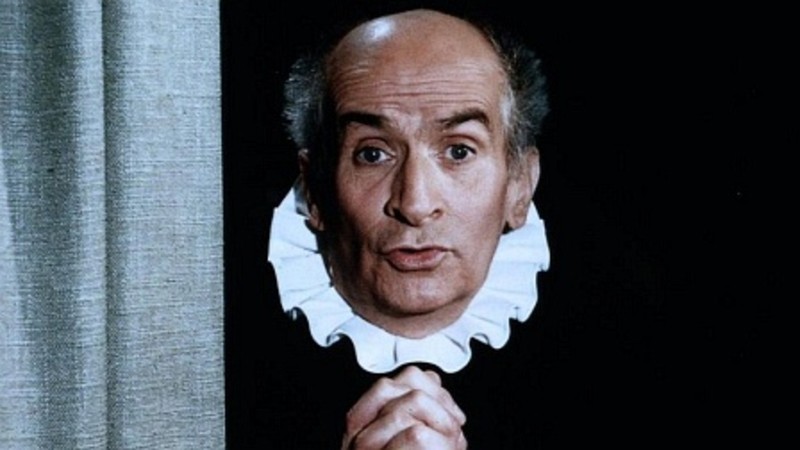
In this scene, Harpagon’s exaggerated expressions and dramatic poses highlight the film’s comedic tone while underscoring his character’s flaws.
Key Characters: From Harpagon to the Supporting Cast
Harpagon is the undeniable heart of The Miser, a character so obsessed with his wealth that he becomes a caricature of avarice. His miserliness isn’t just a quirk—it’s a driving force that shapes every relationship in the story. Yet, despite his flaws, Harpagon is oddly sympathetic. His fear of poverty and loss is relatable, even if his methods are not.
The supporting characters add depth and humor to the narrative. Cléante, Harpagon’s son, is a charming but frustrated young man who must navigate his father’s tyranny while pursuing his own happiness. Elise, his sister, is equally trapped by Harpagon’s schemes, forced into a marriage she doesn’t want. Meanwhile, Valère, a cunning valet, and Frosine, a matchmaker with her own agenda, add layers of intrigue and comedy.
Each character serves a purpose, whether it’s to highlight Harpagon’s flaws, advance the plot, or provide comic relief. Their interactions create a dynamic that keeps the story engaging, even as the themes of greed and deception loom large.
The Challenges of Adapting a Classic for Modern Audiences
Adapting a play like The Miser for film presents unique challenges. The original play relies heavily on dialogue and stage directions, so filmmakers must find ways to translate that into a visual medium without losing the story’s essence. The 1980 adaptation succeeds by emphasizing physical comedy, expressive performances, and dynamic camera work to bring Molière’s words to life.
Another challenge is making the themes of greed and obsession relevant to contemporary audiences. While the specifics of Harpagon’s miserliness may feel dated, the underlying message about the dangers of valuing wealth over human connection is timeless. The film addresses this by grounding the story in relatable emotions—fear, love, and the struggle for autonomy—making it accessible to modern viewers.
Finally, the film must balance humor with the darker aspects of the story. Molière’s play is a comedy, but it’s also a satire with sharp teeth. The adaptation walks this tightrope by using exaggerated characters and slapstick moments to keep the tone light, while still allowing the underlying critique of greed to shine through.
Why The Miser Is More Than Just a Comedy
At its core, The Miser is a story about the destructive power of obsession. Harpagon’s greed doesn’t just affect him—it poisons his relationships, stifles his children’s futures, and isolates him from the world around him. The film uses comedy as a vehicle to explore these themes, but the message is clear: when wealth becomes an end in itself, it comes at a cost.
The film also serves as a commentary on societal values. In Molière’s time, the play was a critique of the aristocracy’s excesses and the hypocrisy of the wealthy. The 1980 adaptation updates this critique for a modern audience, asking viewers to consider what they value and why. Is it truly worth sacrificing happiness for financial security? The film doesn’t provide easy answers, but it certainly makes the question worth pondering.
For students of literature or film, The Miser is a fascinating case study in adaptation. It demonstrates how a classic story can be reimagined for new audiences while retaining its original spirit. For casual viewers, it’s a delightful blend of humor, drama, and social commentary that entertains as much as it provokes thought.
Conclusion
The Miser is a film that rewards both casual viewers and those willing to dig deeper. Its blend of sharp humor, timeless themes, and dynamic characters makes it a standout adaptation of Molière’s classic play. Whether you’re drawn in by the comedic antics of Harpagon or the emotional struggles of his children, there’s something in this story for everyone.
So, the next time you watch The Miser, ask yourself: How much are you willing to sacrifice for wealth? The answer might surprise you. And if you haven’t seen it yet, now’s the perfect time to dive into this comedic masterpiece.
FAQ
What is the main theme of The Miser?
The main theme of The Miser is the destructive power of greed and how it impacts personal relationships and societal values.
Who is the main character in The Miser?
The main character is Harpagon, a miserly man obsessed with hoarding his wealth.
How does the film adaptation differ from the original play?
The film adaptation utilizes visual comedy and expressive performances to translate the dialogue-heavy play into a dynamic cinematic experience.
Leave a Reply