Short Answer
Have you ever gazed up at the night sky and marveled at how the moon looks impossibly large near the horizon, only to shrink to a tiny dot when it’s high above? That’s the Moon Illusion—a mind-bending trick your brain plays on you. But what if this illusion isn’t just a quirk of perception? What if it’s a challenge, a puzzle waiting to be solved? In this guide, we’ll dive into the science behind the Moon Illusion, explore its psychological roots, and even turn it into a playful challenge for your brain. By the end, you’ll see the moon—and your own mind—in a whole new light.
The Moon Illusion: When Your Brain Lies to You
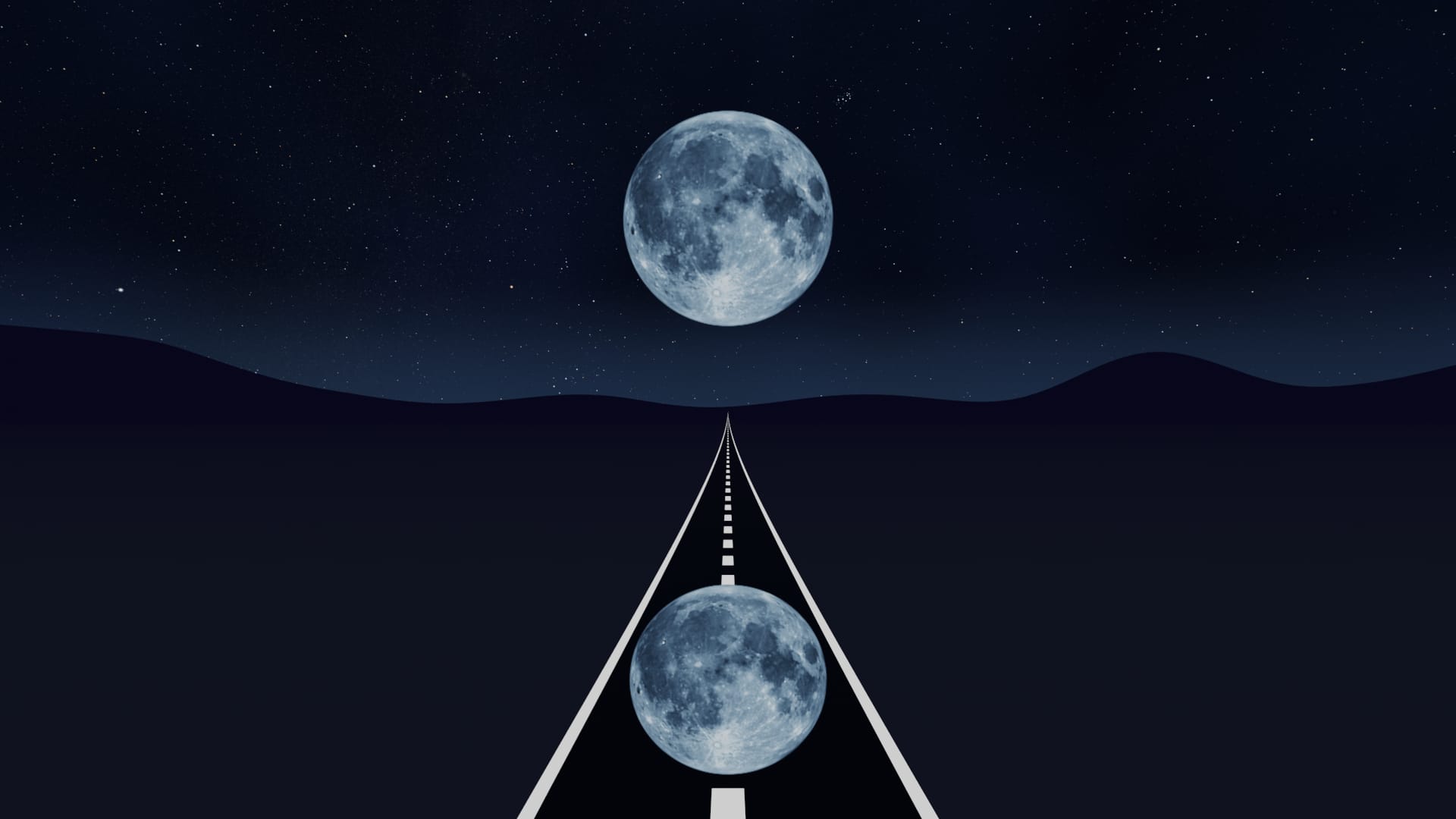
The Moon Illusion is one of the most persistent optical tricks in nature. When the moon is near the horizon, it appears up to 50% larger than when it’s high in the sky, despite both positions being the same actual size. This phenomenon has baffled scientists, philosophers, and stargazers for centuries. But why does it happen?
The most widely accepted explanation comes from the Ponzo Illusion, a classic psychological test where your brain misjudges the size of objects based on their surroundings. When the moon is near the horizon, your brain compares it to familiar objects like trees, buildings, or mountains. These reference points create a sense of depth, tricking your mind into exaggerating the moon’s size. In contrast, when the moon is high in the sky, there are no nearby objects to compare it to, so your brain perceives it as smaller.
Another theory involves the Ebbinghaus Illusion, where the perceived size of an object changes based on the size of surrounding objects. If the moon is surrounded by tiny stars or vast open space, your brain might downplay its size. But when it’s framed by terrestrial landmarks, the contrast makes it appear larger.
Is the Moon Illusion a Challenge for Your Brain?
Now, here’s where things get fun. The Moon Illusion isn’t just a passive trick—it’s an active challenge for your brain’s perception system. Your brain is wired to prioritize survival, and it does this by making quick judgments about the world around you. When you see the moon near the horizon, your brain assumes it’s closer because of the depth cues provided by the landscape. This assumption is so strong that it overrides the actual size of the moon in your visual field.
But what if you could train your brain to see through the illusion? This is where the real challenge begins. By understanding the mechanics of the Moon Illusion, you can start to recognize when your brain is playing tricks on you. Try this experiment: the next time you see a massive moon near the horizon, hold up your thumb at arm’s length and compare its size to the moon. Then, repeat the process when the moon is higher in the sky. You might be surprised to find that your thumb covers the same amount of the moon in both cases!
This exercise isn’t just about debunking the illusion—it’s about rewiring your brain’s automatic responses. Over time, you can train yourself to see the moon more objectively, separating perception from reality. It’s a playful challenge, but it also sharpens your critical thinking skills.
The Psychological Tricks Behind the Moon Illusion
The Moon Illusion isn’t just a visual trick—it’s a psychological one. Your brain doesn’t just process what it sees; it interprets it based on past experiences, expectations, and even emotions. For example, if you’ve ever felt a sense of awe or wonder while looking at the moon, that emotion can amplify the illusion. Your brain might interpret the moon’s size as a reflection of its importance or beauty, further distorting your perception.
Another psychological factor is attention. When the moon is near the horizon, your brain is flooded with sensory information—the colors of the sunset, the shapes of trees, the movement of clouds. All of this competes for your attention, and your brain prioritizes the moon as a focal point. When the moon is high in the sky, there’s less competition, so your brain doesn’t emphasize it as much.
Interestingly, the Moon Illusion also ties into the concept of cognitive biases. Your brain is wired to fill in gaps in information, and it does this by making assumptions. When you see the moon near the horizon, your brain assumes it’s closer because of the depth cues, even though it’s not. This is similar to how optical illusions work—your brain fills in the blanks with what it expects to see, rather than what’s actually there.

Turning the Moon Illusion into a Challenge: Can You Break the Trick?
So, how do you turn the Moon Illusion into a challenge? The key is to engage your brain actively rather than passively accepting what you see. Here are a few ways to do it:
- Measure the Moon: Use your thumb or a coin to measure the moon’s size at different points in the sky. Compare the measurements to see if they’re consistent.
- Photograph the Moon: Take photos of the moon at different heights and compare them side by side. You’ll often find that the moon appears the same size in the photos, despite the illusion in real life.
- Observe with Binoculars: Use binoculars to get a closer look at the moon. The magnification will reveal its true size, helping you see through the illusion.
- Challenge Your Assumptions: Ask yourself why you believe the moon looks bigger near the horizon. Is it because of the depth cues, or is it because of something else?
By actively engaging with the Moon Illusion, you’re not just observing a trick—you’re participating in it. You’re turning a passive experience into an active challenge, one that sharpens your perception and critical thinking skills.
Beyond the Moon: Other Illusions That Challenge Your Brain
The Moon Illusion is just one of many visual tricks that your brain plays on you. Once you start recognizing these illusions, you’ll see them everywhere—from the way shadows distort shapes to how colors appear different under various lighting conditions. Here are a few other illusions that might surprise you:
- The Ames Room: A room that appears normal from one angle but is actually distorted, making people look like giants or dwarves.
- The Müller-Lyer Illusion: Two lines of the same length appear different because of the arrows at their ends.
- The Checker Shadow Illusion: A checkerboard with a shadow cast over it makes two squares of the same color appear different shades.
Each of these illusions challenges your brain’s assumptions about the world. By studying them, you can gain a deeper understanding of how your brain processes information—and how easily it can be tricked.
Conclusion: Embrace the Illusion, Challenge Your Mind
The Moon Illusion is more than just a quirky trick of the eye—it’s a window into how your brain works. It’s a reminder that perception isn’t always reality, and that your mind is constantly interpreting the world in ways that might not always be accurate. But rather than seeing this as a flaw, you can embrace it as an opportunity. The Moon Illusion is a challenge, a puzzle waiting to be solved. By understanding it, you can sharpen your perception, improve your critical thinking, and even have a little fun along the way.
So the next time you see a massive moon hanging low on the horizon, take a moment to appreciate the trick your brain is playing on you. Then, challenge yourself to see through it. Measure it, photograph it, observe it with binoculars—do whatever it takes to break the illusion. Because in the end, the real magic isn’t in the moon itself, but in the way your mind perceives it.
FAQ
What is the Moon Illusion?
The Moon Illusion is a visual phenomenon where the moon appears larger when it is near the horizon than when it is high in the sky.
How can I measure the Moon Illusion?
You can hold up your thumb at arm’s length and compare its size to the moon at different heights to see that it covers the same amount of the moon.
Leave a Reply