Short Answer
In this comprehensive guide, you’ll discover the origins of the Original Tarot Deck of 78 Cards, a timeless tool that has captivated minds and inspired introspection for centuries. You’ll explore its historical roots, symbolic depth, and the transformative power it holds for modern seekers. Whether you’re a seasoned practitioner or a curious newcomer, this guide will illuminate how this deck promises a profound shift in perspective and ignites curiosity about the mysteries it contains.
The Birth of the Original Tarot: A Journey Through Time
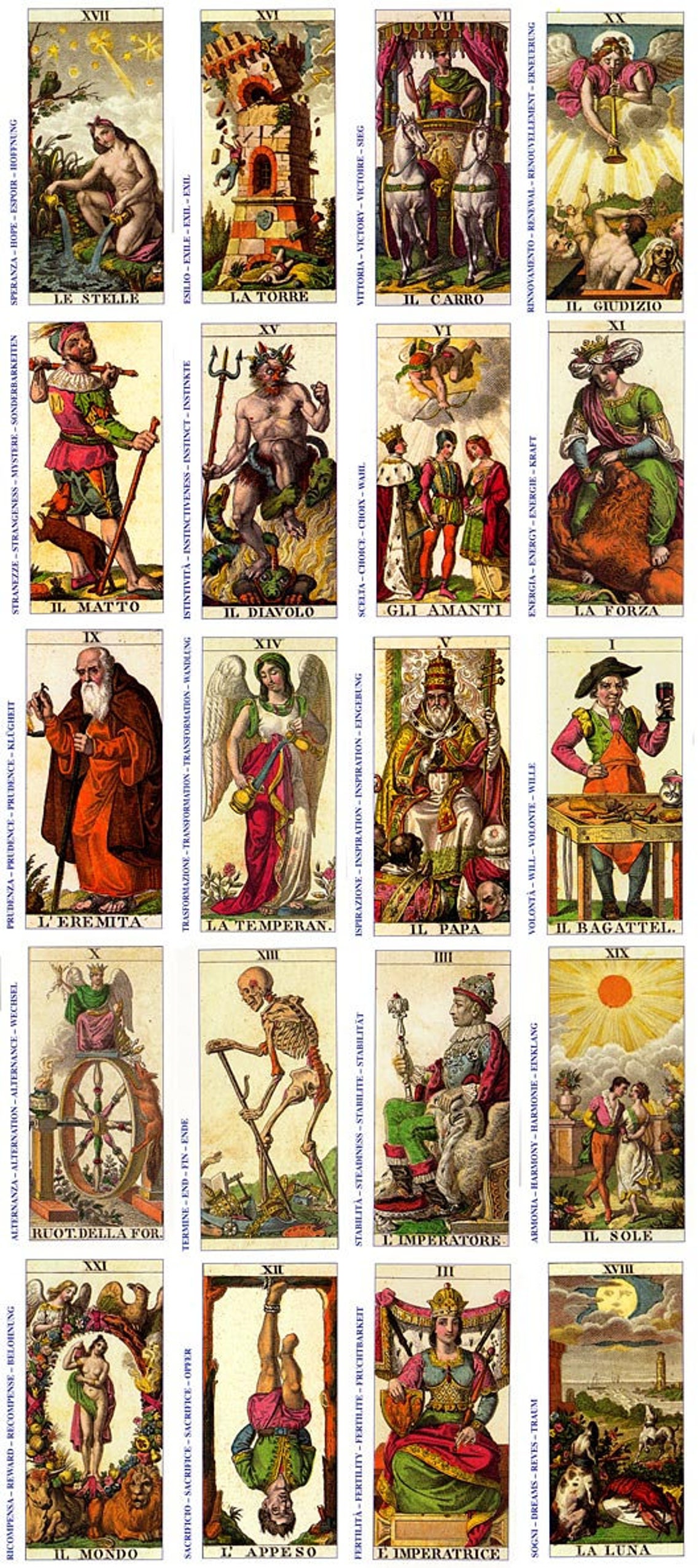
The Original Tarot Deck of 78 Cards traces its lineage back to 15th-century Europe, where it first emerged as a card game before evolving into a divination tool. Originating in Italy, the deck was initially known as *tarocchi* and was played in aristocratic circles. The earliest surviving decks, such as the Visconti-Sforza, date to the mid-1400s and feature intricate hand-painted designs. These decks consisted of 78 cards divided into two main categories: the 22 Major Arcana and the 56 Minor Arcana. The Major Arcana represents life’s grand themes—such as The Fool, The Magician, and Death—while the Minor Arcana mirrors the structure of a standard playing card deck, with suits of Cups, Pentacles, Swords, and Wands. This dual structure laid the foundation for the tarot’s dual role as both a game and a mirror to the soul.

Symbolism and Structure: Decoding the 78 Cards
The power of the Original Tarot Deck lies in its rich symbolism, each card acting as a visual and conceptual gateway to deeper understanding. The Major Arcana, with its 22 cards, serves as a narrative arc of human experience, from innocence (The Fool) to enlightenment (The World). Each card is laden with archetypal imagery—The High Priestess embodies intuition, while The Tower represents sudden upheaval. The Minor Arcana, divided into four suits, reflects everyday life. Cups symbolize emotions and relationships, Pentacles represent material wealth and practicality, Swords delve into intellect and conflict, and Wands signify creativity and passion. Together, these cards create a language that transcends words, offering insights into personal growth, challenges, and opportunities. The deck’s structure invites users to explore their inner landscapes, fostering self-awareness and clarity.
From Game to Divination: The Tarot’s Evolution
By the 18th century, the tarot had transitioned from a parlor game to a tool for divination, thanks in part to occultists like Antoine Court de Gébelin and Éliphas Lévi. These pioneers posited that the tarot held ancient esoteric wisdom, possibly linked to Egyptian or Kabbalistic traditions. The deck’s mystical reputation grew, and by the Victorian era, tarot reading had become a popular practice among those seeking guidance. The Rider-Waite-Smith deck, published in 1909, revolutionized tarot imagery by illustrating every card in the Minor Arcana, making the deck more accessible and visually engaging. This evolution cemented the tarot’s role as a bridge between the mundane and the mystical, offering a tangible way to explore life’s big questions.
How the Original Tarot Promises a Shift in Perspective
At its core, the Original Tarot Deck of 78 Cards is a catalyst for transformation. Its archetypal imagery and symbolic language act as a mirror, reflecting back the querent’s subconscious thoughts, fears, and desires. When drawn in a reading, the cards don’t predict the future but instead illuminate patterns and possibilities. For example, pulling The Chariot might signal a need for determination and focus, while The Hanged Man could suggest a period of surrender and new perspectives. The deck’s ability to reframe challenges into opportunities is what makes it so powerful. By engaging with the tarot, users are encouraged to confront their blind spots, embrace change, and trust their intuition. This shift in perspective can be liberating, fostering resilience and a deeper connection to one’s inner wisdom.
Piquing Curiosity: The Tarot as a Gateway to Self-Discovery
The Original Tarot Deck is more than a divinatory tool; it’s an invitation to explore the unknown. Its enigmatic nature sparks curiosity, drawing users into a journey of self-discovery. Each card invites questions: What does The Hermit’s lantern symbolize in my life? Why did The Lovers appear in this reading? The tarot’s ambiguity allows for personal interpretation, making each reading a unique experience. This open-endedness encourages users to trust their instincts and delve deeper into their subconscious. The deck also serves as a creative muse, inspiring artists, writers, and thinkers to explore themes of fate, free will, and the human experience. By engaging with the tarot, individuals are not only seeking answers but also cultivating a habit of introspection and mindfulness.
Practical Applications: Using the Tarot in Daily Life
Incorporating the Original Tarot Deck into daily life can be a rewarding practice. Beginners might start with simple one-card pulls to gain daily insights or use the deck for journaling prompts. For example, drawing a card each morning and reflecting on its message can set the tone for the day. More advanced users might explore spreads like the Celtic Cross for in-depth readings or use the tarot as a tool for meditation, focusing on a card’s imagery and symbolism. The deck can also be used for creative projects, such as writing short stories inspired by the cards or creating art based on their themes. Additionally, the tarot can facilitate meaningful conversations in relationships, helping partners explore their dynamics through the lens of the cards. Whether used for personal growth or shared exploration, the tarot’s versatility makes it a valuable companion in navigating life’s complexities.
Conclusion
The Original Tarot Deck of 78 Cards is a testament to humanity’s enduring quest for meaning and self-understanding. From its origins as a card game to its modern role as a tool for introspection, the tarot has remained a constant source of fascination and insight. Its rich symbolism and structured design offer a unique language for exploring the human experience, promising a shift in perspective and igniting curiosity about the unseen forces that shape our lives. Whether you’re drawn to the tarot for guidance, creativity, or personal growth, this deck invites you to embark on a journey of discovery—one card at a time. As you engage with the tarot, remember that its true power lies not in predicting the future but in illuminating the present, empowering you to navigate life’s twists and turns with greater clarity and confidence.
FAQ
What is the Original Tarot Deck of 78 Cards?
The Original Tarot Deck of 78 Cards is a historical card deck that originated in 15th-century Europe, originally used as a game before evolving into a tool for divination and self-discovery.
How can I use the Original Tarot Deck in my daily life?
You can start with simple one-card pulls for daily insights, use it for journaling prompts, or explore more complex spreads like the Celtic Cross for deeper readings.

Leave a Reply