Short Answer
Welcome to a captivating exploration of the enigmatic figures of The Pope and The Popess—two roles steeped in history, symbolism, and cultural intrigue. In this guide, you’ll uncover the fascinating intersections of power, faith, and love that define these figures. From their historical origins to their modern-day resonance, we’ll delve into their careers, the metaphors they inspire, and the unique appeal that has endured through centuries. Whether you’re drawn to the spiritual authority of the Pope or the mysterious allure of the Popess, this journey promises to illuminate the layers of meaning behind these iconic roles.
The Pope: A Career of Divine Leadership and Human Influence
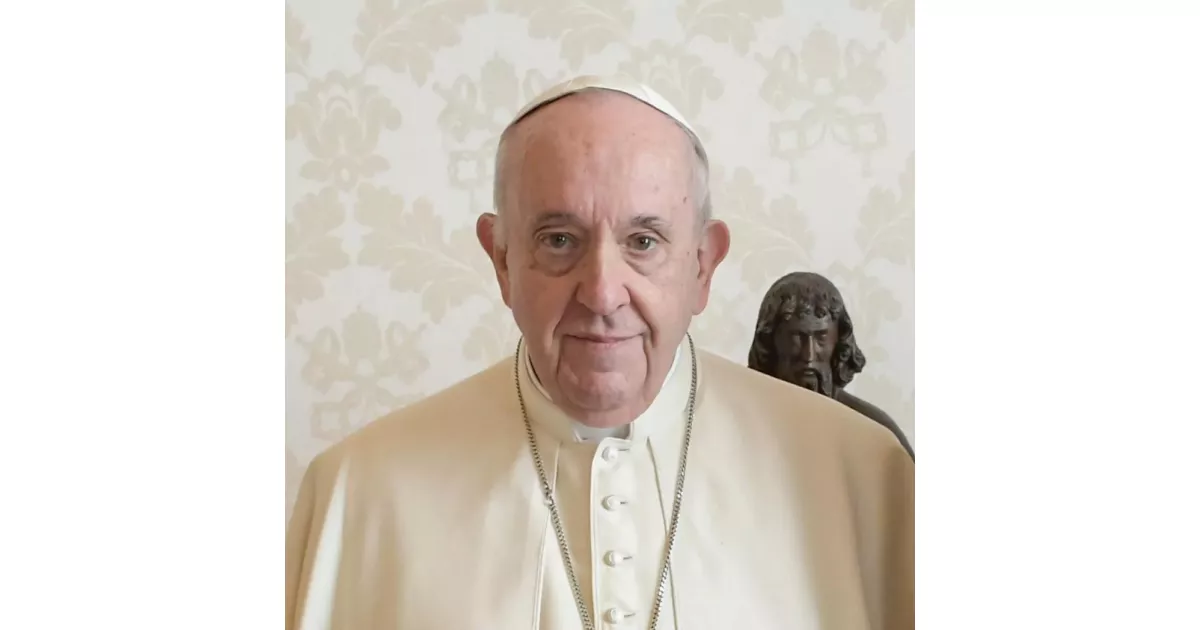
The Pope, the spiritual leader of the Roman Catholic Church, embodies a career unlike any other. His role is a blend of religious devotion, political influence, and cultural symbolism, spanning over two millennia. The Pope is not merely a religious figurehead but a global leader whose words and actions resonate across continents, shaping the lives of millions. His career is marked by a journey of faith, from humble beginnings to the highest echelons of ecclesiastical power.
The path to becoming Pope is one of rigorous spiritual and intellectual preparation. Candidates, often bishops or cardinals, undergo years of theological study, pastoral work, and service to the Church. The selection process itself is steeped in tradition, with the College of Cardinals convening in a conclave to elect a new Pope. Once chosen, the Pope assumes the mantle of Pontifex Maximus, or “Great Bridge Builder,” a title that underscores his role as a mediator between heaven and earth. His career is a testament to unwavering commitment to the teachings of Christ, even as he navigates the complexities of modern governance and diplomacy.
Beyond his spiritual duties, the Pope’s career is also a story of human resilience and adaptability. From St. Peter, the first Pope, who walked the streets of Rome in the 1st century, to Pope Francis, the first Jesuit Pope and the first from the Americas, each leader has brought a unique perspective to the role. The Pope’s influence extends far beyond the Vatican walls, shaping global conversations on social justice, environmental stewardship, and interfaith dialogue. His career is a tapestry of tradition and innovation, where ancient rituals meet contemporary challenges.
The Popess: A Symbol of Mystery and Feminine Power
The Popess, a figure shrouded in metaphor and legend, represents a fascinating counterpoint to the Pope. Often depicted in tarot decks as the second card in the Major Arcana, the Popess is a symbol of hidden wisdom, intuition, and the feminine divine. Unlike the Pope, who is a tangible leader of the Church, the Popess exists in the realm of symbolism—a guardian of secrets and a bridge between the conscious and subconscious. Her allure lies in her ambiguity, inviting interpretations that span from the sacred to the profane.
The Popess is frequently associated with the biblical figure of Pope Joan, a controversial legend from medieval times. According to the tale, a woman disguised as a man rose through the ranks of the Church to become Pope, only to be exposed when she gave birth during a procession. While historical evidence for Pope Joan is scant, the story has endured as a powerful metaphor for the subversion of gender norms and the hidden potential of women in positions of power. The Popess, in this context, becomes a symbol of resilience, cunning, and the breaking of barriers.
In tarot, the Popess is often depicted seated between two pillars, one black and one white, holding a scroll or a book. This imagery evokes themes of duality, knowledge, and the balance between light and dark. The Popess represents the power of intuition and the importance of listening to one’s inner voice. She is a reminder that wisdom is not solely the domain of institutions or dogma but can be found in the quiet spaces of the heart and mind. Her appeal lies in her ability to transcend the literal, offering a lens through which to view the world’s mysteries.

The Intersection of Love: Spiritual and Earthly Bonds
The themes of love—both spiritual and earthly—weave through the stories of the Pope and the Popess, adding a layer of emotional depth to their narratives. For the Pope, love is a central tenet of his teachings, embodied in the commandment to “love thy neighbor.” His role as a spiritual leader is, at its core, an act of love—a love for humanity, for God, and for the Church. This love is expressed through acts of charity, forgiveness, and compassion, as well as through the more abstract ideals of unity and peace. The Pope’s love is often described as unconditional, a force that transcends borders and cultures, binding people together in a shared humanity.
The Popess, on the other hand, represents a different kind of love—one that is more intimate, personal, and sometimes even forbidden. Her story is intertwined with themes of secrecy, passion, and the pursuit of forbidden knowledge. In tarot, she is often associated with the High Priestess, a figure who guards the secrets of the universe and the mysteries of the heart. Her love is not bound by the structures of the Church but flows freely, a reminder that the deepest connections are often those that defy convention. The Popess invites us to explore the complexities of love, from the sacred to the sensual, and to embrace the full spectrum of human emotion.
The contrast between the Pope’s love and the Popess’s love is striking. Where the Pope’s love is public, communal, and institutional, the Popess’s love is private, individual, and subversive. Yet, both forms of love are essential, offering different paths to understanding the human experience. The Pope’s love is a beacon of hope and guidance, while the Popess’s love is a flame that burns bright in the shadows, illuminating the hidden corners of the soul.

The Unique Appeal of These Figures: Why They Captivate Us
The enduring fascination with the Pope and the Popess lies in their ability to embody the contradictions and complexities of human existence. The Pope, with his dual roles as a spiritual leader and a political figure, represents the tension between the divine and the earthly. His appeal is rooted in his humanity—his struggles, his triumphs, and his unwavering commitment to his faith. He is both a symbol of hope and a reminder of the flaws inherent in any institution, no matter how sacred.
The Popess, with her enigmatic presence, captivates us because she defies easy categorization. She is neither wholly good nor evil, neither entirely sacred nor profane. Her allure lies in her ambiguity, inviting us to project our own hopes, fears, and desires onto her. She is a mirror, reflecting back to us the parts of ourselves that we often keep hidden. In a world where rigid structures and dogma often dominate, the Popess offers a breath of fresh air—a reminder that wisdom and power can be found in the most unexpected places.
Together, the Pope and the Popess create a dynamic duo, representing the balance between order and chaos, tradition and innovation, love and mystery. Their stories resonate because they speak to universal human experiences: the search for meaning, the struggle for power, and the longing for connection. Whether through the Pope’s teachings of love and unity or the Popess’s embrace of intuition and hidden knowledge, these figures offer a rich tapestry of metaphors that continue to inspire and intrigue.
Conclusion
The Pope and the Popess are more than just historical or symbolic figures—they are living metaphors that continue to shape our understanding of faith, power, and love. The Pope’s career is a testament to the enduring influence of spiritual leadership, while the Popess’s mystery reminds us of the power of intuition and the importance of questioning the status quo. Together, they form a dynamic duo that challenges us to explore the depths of our own humanity, to embrace both the light and the shadow within us.
As we reflect on their stories, we are invited to consider our own roles in the world—whether as leaders, seekers, or simply as individuals navigating the complexities of life. The Pope and the Popess teach us that wisdom is not found in absolutes but in the journey itself, in the questions we ask and the mysteries we dare to explore. In a world that often demands clarity and certainty, their stories offer a refreshing embrace of ambiguity, inviting us to find beauty in the unknown and strength in the unseen.
FAQ
What is the significance of The Pope in modern society?
The Pope serves as a spiritual leader and a global figure influencing social justice, environmental issues, and interfaith dialogue.
Who is The Popess in tarot?
The Popess symbolizes intuition, hidden wisdom, and the feminine divine, often representing the balance between knowledge and mystery.
Leave a Reply