Short Answer
Welcome to your comprehensive guide on The Sacred Circle and The Saffath. In the following sections, you’ll explore the spiritual, cultural, and practical dimensions of these profound concepts. You’ll learn about their origins, symbolic meanings, rituals, and how they intersect with modern practices. Whether you’re seeking personal growth, community connection, or deeper spiritual understanding, this guide will provide valuable insights and actionable knowledge to enrich your journey.
The Sacred Circle: Origins and Significance
The Sacred Circle is a universal symbol found across cultures, religions, and spiritual traditions. At its core, it represents unity, wholeness, and the cyclical nature of life. Unlike linear concepts of time, the Sacred Circle emphasizes continuity, infinity, and the interconnectedness of all things. Historically, circles have been used in sacred spaces, rituals, and art to evoke a sense of harmony and balance.
In many indigenous traditions, the Sacred Circle is a metaphor for the Earth itself—a living, breathing entity where every element is interdependent. For example, in Native American spirituality, the Medicine Wheel embodies the Sacred Circle, representing the four directions, seasons, and stages of life. Similarly, in Celtic traditions, the spiral symbolizes growth and evolution within a cyclical framework. The Sacred Circle is not just a shape; it’s a philosophy that underscores the importance of balance, respect, and reverence for the natural world.
In modern contexts, the Sacred Circle has evolved into a powerful tool for meditation, community gatherings, and personal reflection. It serves as a reminder that life’s challenges and joys are part of a larger, interconnected whole. Whether used in group ceremonies or solitary practices, the Sacred Circle fosters a sense of belonging and purpose.
The Saffath: Understanding the Concept
The term Saffath is less widely recognized but holds deep significance in certain esoteric and spiritual traditions. Derived from ancient linguistic roots, Saffath often refers to a sacred gathering, a collective energy, or a vibrational resonance that amplifies spiritual intentions. It is closely tied to the idea of a “sacred assembly” where individuals come together to create a unified field of consciousness.
In some traditions, Saffath is associated with the power of collective prayer or ritual. When people gather with a shared intention, their combined energy is believed to create a stronger, more potent force. This concept is echoed in various spiritual practices, such as group meditations, chanting circles, or ceremonial gatherings where the synergy of participants enhances the spiritual experience. The Saffath, therefore, is not just about physical presence but about the alignment of hearts and minds toward a common goal.
Historically, Saffath has been linked to ancient mystery schools and initiatory traditions where initiates would come together to receive teachings, perform rituals, or undergo transformative experiences. Today, the idea of Saffath is often revived in modern spiritual communities, where group practices like sound healing, ecstatic dance, or sacred drumming aim to harness collective energy for healing and manifestation.
Types of Sacred Circles and Their Practices
Sacred Circles manifest in various forms, each tailored to specific intentions, traditions, or cultural contexts. Below are some of the most common types of Sacred Circles and their associated practices:
1. Meditation Circles
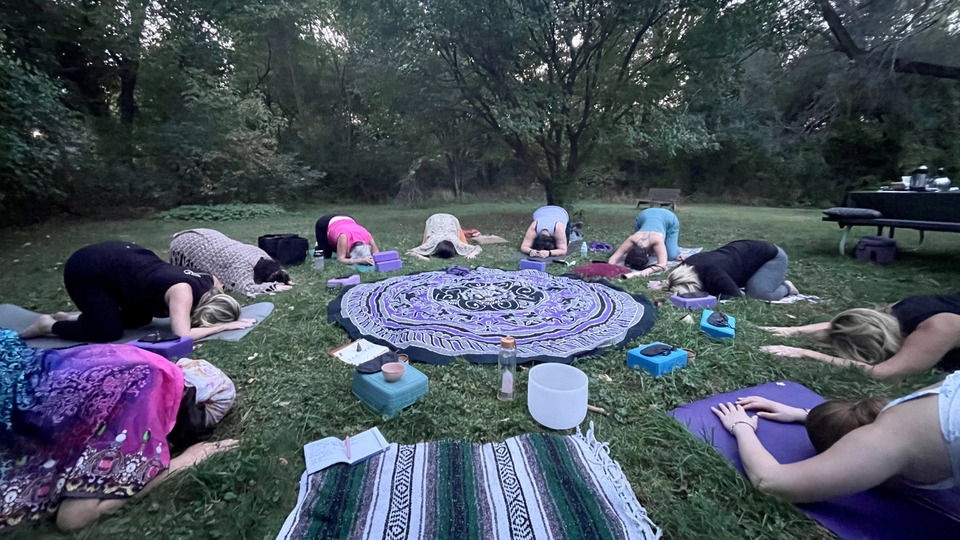
Meditation circles are gatherings where individuals come together to meditate in a shared space. These circles often follow a structured format, such as guided meditation, silent sitting, or group chanting. The Sacred Circle in this context serves as a container for collective energy, enhancing the meditative experience. Participants may sit in a circle to symbolize equality and unity, while the shared intention amplifies the meditative state.
2. Ceremonial Circles
Ceremonial circles are often used in rituals to mark significant life events, seasonal transitions, or spiritual initiations. These circles may incorporate elements such as fire, water, earth, and air to honor the elements and the Sacred Circle’s cyclical nature. For example, a full moon ceremony might involve participants standing in a circle around a fire, offering prayers or intentions to the moon’s energy. The circle itself acts as a sacred boundary, protecting the space and amplifying the ritual’s power.
3. Sisterhood Circles
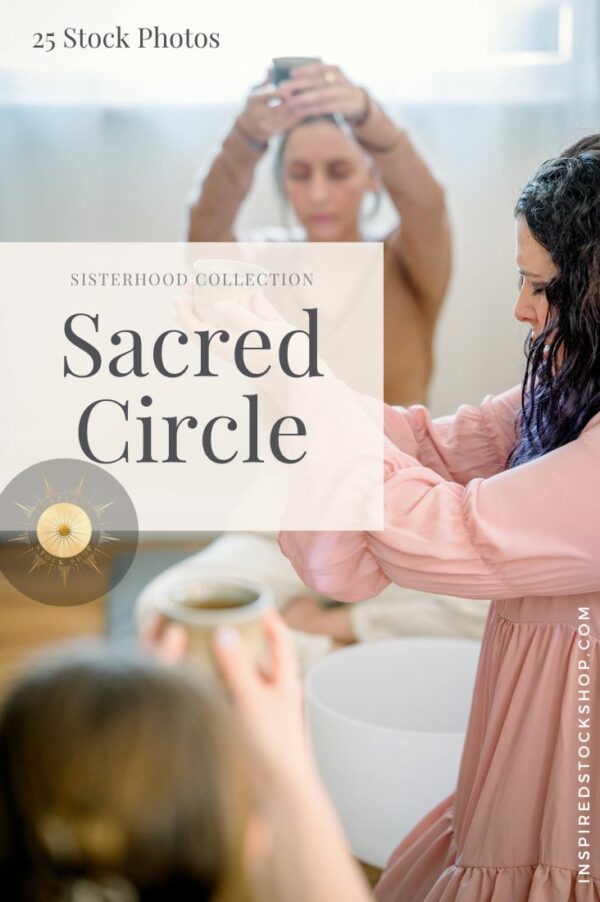
Sisterhood circles are gatherings specifically for women, designed to foster connection, healing, and empowerment. These circles often include sharing circles, where participants take turns speaking their truths, or activities like drumming, dancing, or crafting. The Sacred Circle in this context represents a safe, nurturing space where women can support one another on their spiritual journeys. Sisterhood circles may also incorporate rituals like cacao ceremonies, which are believed to open the heart and deepen emotional connections.
4. Community Circles
Community circles are inclusive gatherings open to all, regardless of background or belief system. These circles often focus on themes like gratitude, forgiveness, or collective healing. The Sacred Circle in this context serves as a reminder of humanity’s interconnectedness, encouraging participants to listen deeply, share openly, and leave with a sense of belonging. Community circles may be held in parks, community centers, or spiritual spaces, and they often include activities like storytelling, group discussions, or collaborative art projects.
The Role of the Saffath in Sacred Gatherings
The Saffath plays a crucial role in Sacred Circles, particularly in gatherings where collective energy is harnessed for transformation. When a group comes together with a shared intention, the Saffath acts as a conduit for that energy, amplifying it and directing it toward a specific purpose. This can be seen in practices such as:
1. Sound Healing Circles
In sound healing circles, participants use instruments like singing bowls, drums, or chimes to create vibrational frequencies that promote healing and balance. The Saffath in this context refers to the collective resonance created by the group, which is believed to have a profound effect on the participants’ energy fields. The Sacred Circle provides the structure for this practice, ensuring that the energy remains contained and focused.
2. Ecstatic Dance Circles
Ecstatic dance circles are free-form movement practices where participants dance to live music or drumming, allowing their bodies to express emotions and release energy. The Saffath here is the collective energy generated by the group’s movement, which creates a trance-like state and fosters a sense of unity. The Sacred Circle serves as a boundary for this energy, keeping it contained and sacred.
3. Prayer and Intention Circles
Prayer and intention circles are gatherings where participants come together to pray, set intentions, or manifest goals. The Saffath in this context is the unified field of consciousness created by the group’s shared focus. The Sacred Circle acts as a container for this energy, ensuring that the intentions are held and amplified by the collective. These circles are often used for personal healing, community support, or global peace.
How to Create Your Own Sacred Circle
Creating your own Sacred Circle can be a deeply rewarding experience, whether you’re gathering with friends, family, or a spiritual community. Here’s a step-by-step guide to help you design a meaningful and intentional circle:
1. Set Your Intention
Before gathering, clarify the purpose of your Sacred Circle. Are you seeking healing, celebration, meditation, or community connection? Your intention will guide the structure, activities, and energy of the circle. Write it down and share it with participants to align everyone’s focus.
2. Choose a Sacred Space
The location of your circle should feel energetically appropriate. This could be a quiet room, a garden, a beach, or a spiritual space. Consider the natural elements available—such as earth, water, fire, or air—and incorporate them into your circle if possible. For example, you might place candles around the perimeter to represent the elements or use a bowl of water for cleansing.
3. Design the Circle’s Structure
Decide how you’ll arrange the space. Will participants sit in chairs, on cushions, or on the ground? Will there be a central altar or focal point? The Sacred Circle should feel balanced and inviting. You might also incorporate symbols, crystals, or flowers to enhance the energy of the space.
4. Plan Activities or Rituals
Depending on your intention, plan activities that align with your goals. This could include guided meditation, sharing circles, chanting, drumming, or creative expression like painting or writing. If you’re incorporating the Saffath, consider how you’ll harness the collective energy—such as through group prayer, sound healing, or ecstatic movement.
5. Open and Close the Circle
Begin your circle with a ritual to open the sacred space, such as lighting a candle, ringing a bell, or reciting a prayer. Similarly, close the circle with gratitude, releasing any excess energy, and thanking the participants. This helps to contain the energy and honor the time spent together.
6. Follow Up and Reflect
After the circle, take time to reflect on the experience. What worked well? What could be improved? Share your insights with the group and consider how you might deepen your practice in future circles. The Sacred Circle is a living, evolving practice, and each gathering offers new opportunities for growth.
Conclusion
The Sacred Circle and the Saffath are powerful concepts that bridge ancient wisdom and modern spiritual practices. Whether you’re drawn to the Sacred Circle for its symbolism of unity and cyclical time, or the Saffath for its ability to amplify collective energy, these traditions offer profound tools for personal and communal transformation. By understanding their origins, exploring their various forms, and learning how to create your own Sacred Circle, you can tap into a deeper sense of connection, purpose, and spiritual growth.
As you embark on your journey with the Sacred Circle and the Saffath, remember that the true power lies in your intention and presence. Whether you’re gathering with others or practicing in solitude, these traditions invite you to honor the interconnectedness of all things and to cultivate a life rooted in harmony, reverence, and love. May your exploration of the Sacred Circle and the Saffath bring you clarity, healing, and a renewed sense of wonder for the mysteries of life.
FAQ
What is The Sacred Circle?
The Sacred Circle is a universal symbol representing unity, wholeness, and the cyclical nature of life, often used in spiritual and ritual contexts.
What does Saffath refer to?
Saffath refers to a sacred gathering or collective energy that amplifies spiritual intentions, often associated with group rituals.
How do you create a Sacred Circle?
To create a Sacred Circle, set a clear intention, gather participants, and establish a shared space for connection and focus.
Leave a Reply