Short Answer
Dive into the enigmatic world of The Snake & The Son (Reverse), a concept that weaves together ancient symbolism, psychological depth, and modern storytelling. This guide explores the intriguing metaphor behind the reversed snake archetype, its unique appeal across cultures, and the ways it manifests in art, literature, and media. Whether you’re a tarot enthusiast, a mythology lover, or simply curious about the hidden layers of symbolism, this article will illuminate the profound significance of this reversed motif and its enduring allure.
The Reversed Snake: A Metaphor of Transformation and Duality
The snake, a universal symbol across civilizations, often represents duality—life and death, wisdom and danger, healing and destruction. When reversed, this symbolism takes on a deeper, more introspective meaning. The reversed snake is not merely an inversion of its upright counterpart; it embodies the shadow self, the hidden fears, and the untamed aspects of human nature that society often suppresses. Unlike the upright snake, which may signify renewal or hidden knowledge, the reversed snake delves into the subconscious, revealing repressed emotions, unresolved conflicts, or the darker sides of personal growth.
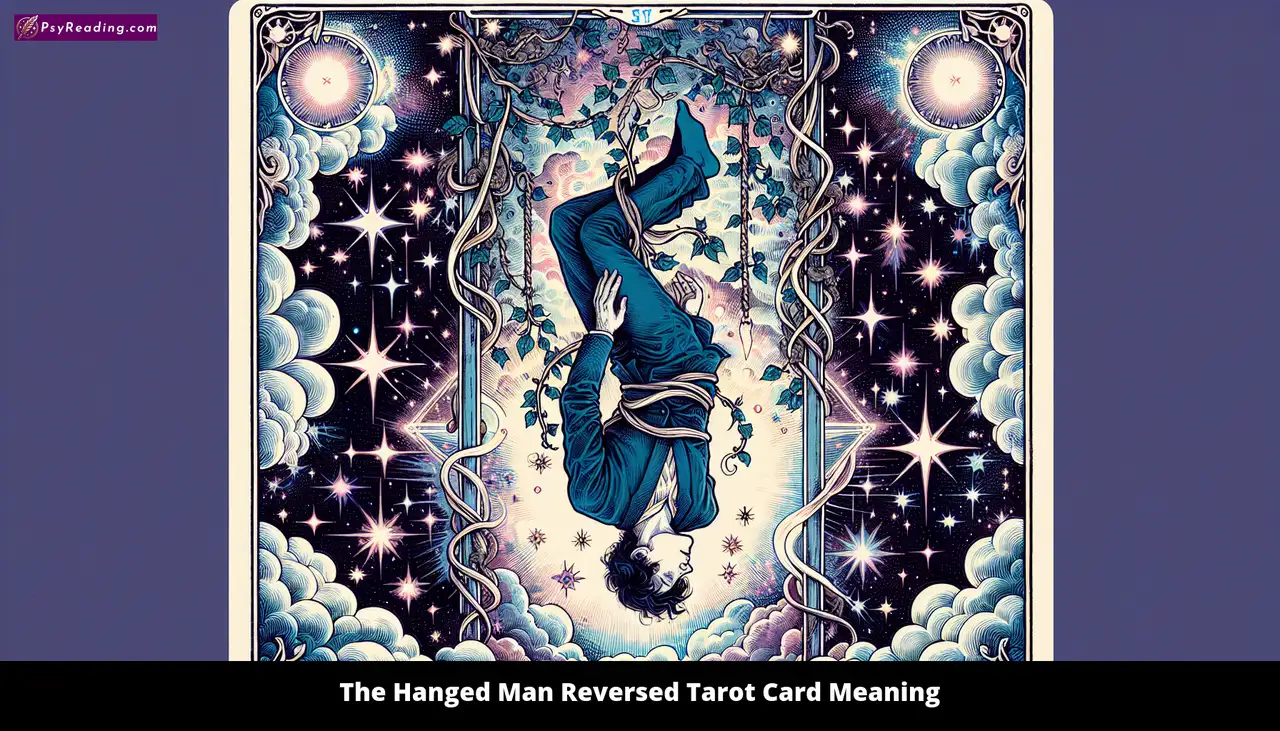
In tarot, the reversed snake often appears in cards like The Devil or The Tower, where it symbolizes bondage, self-destructive patterns, or the collapse of illusions. Here, the snake is not a mere creature but a mirror reflecting the internal struggles that hinder progress. This metaphor extends beyond tarot into psychology, where the reversed snake can represent the Freudian “shadow”—the part of the psyche that contains repressed weaknesses, desires, and instincts. By confronting the reversed snake, one engages in a journey of self-awareness, acknowledging and integrating these hidden facets to achieve wholeness.
The Son of a Snake: Modern Storytelling and the Allure of the Outsider
The phrase “Son of a Snake” evokes a sense of rebellion, mystery, and defiance against conventional norms. In modern storytelling, this archetype often manifests as a protagonist who is an outsider—someone born into a world of danger, secrecy, or moral ambiguity. Films, literature, and games frequently use this trope to explore themes of identity, legacy, and the struggle against fate. The “Son of a Snake” is not just a literal heir to a lineage of deceit or power; he (or she) represents the individual who must navigate a world where trust is a luxury and survival is a daily battle.
Consider the 2022 film Son of a Snake, directed by Snoop Robinson. The title alone sets the stage for a narrative steeped in tension and moral complexity. The protagonist, often a product of a criminal underworld or a cursed bloodline, embodies the reversed snake’s metaphor—he is both the inheritor of his father’s sins and the one who must break the cycle. This duality makes the “Son of a Snake” a compelling figure: he is neither wholly villain nor hero but a complex blend of both, forced to confront the consequences of his lineage while carving out his own path. The appeal lies in this ambiguity, which resonates with audiences who crave stories that challenge black-and-white morality.

Cultural and Mythological Roots: The Snake as a Symbol of Rebirth and Ruin
The snake’s dual nature is deeply embedded in global mythology. In ancient Egyptian culture, the serpent was both a protector (Wadjet) and a bringer of chaos (Apep). Similarly, in Greek mythology, the snake is tied to healing through the Rod of Asclepius but also to temptation and betrayal via the story of the Gorgon Medusa. When reversed, these myths take on a darker hue, emphasizing the destructive potential of unchecked power or desire. The reversed snake, then, becomes a cautionary figure—a reminder that even the most revered symbols can turn venomous when misused or misunderstood.
In Eastern traditions, the snake is often associated with the Kundalini energy—a dormant force at the base of the spine that, when awakened, can lead to spiritual enlightenment or, if mishandled, to chaos. The reversed snake in this context symbolizes the perils of awakening this energy without proper guidance, leading to psychological turmoil or even physical harm. This duality is mirrored in the “Son of a Snake” trope, where the protagonist’s inherited power or curse must be mastered to avoid self-destruction. The cultural resonance of the reversed snake lies in its ability to adapt to different narratives, whether as a metaphor for personal demons or as a literal curse passed down through generations.
The Language of the Reversed Snake: Art, Literature, and Pop Culture
The reversed snake’s metaphorical richness makes it a favorite in art and literature. Visual artists often use the snake’s inverted form to convey themes of decay, transformation, or the subversion of expectations. For example, Salvador Dalí’s surrealist works frequently feature serpentine motifs that twist and contort, reflecting the instability of reality and the human psyche. In literature, the reversed snake appears in works like Frankenstein by Mary Shelley, where the creature is both a product of forbidden knowledge (the snake’s wisdom) and a force of destruction (the snake’s venom).
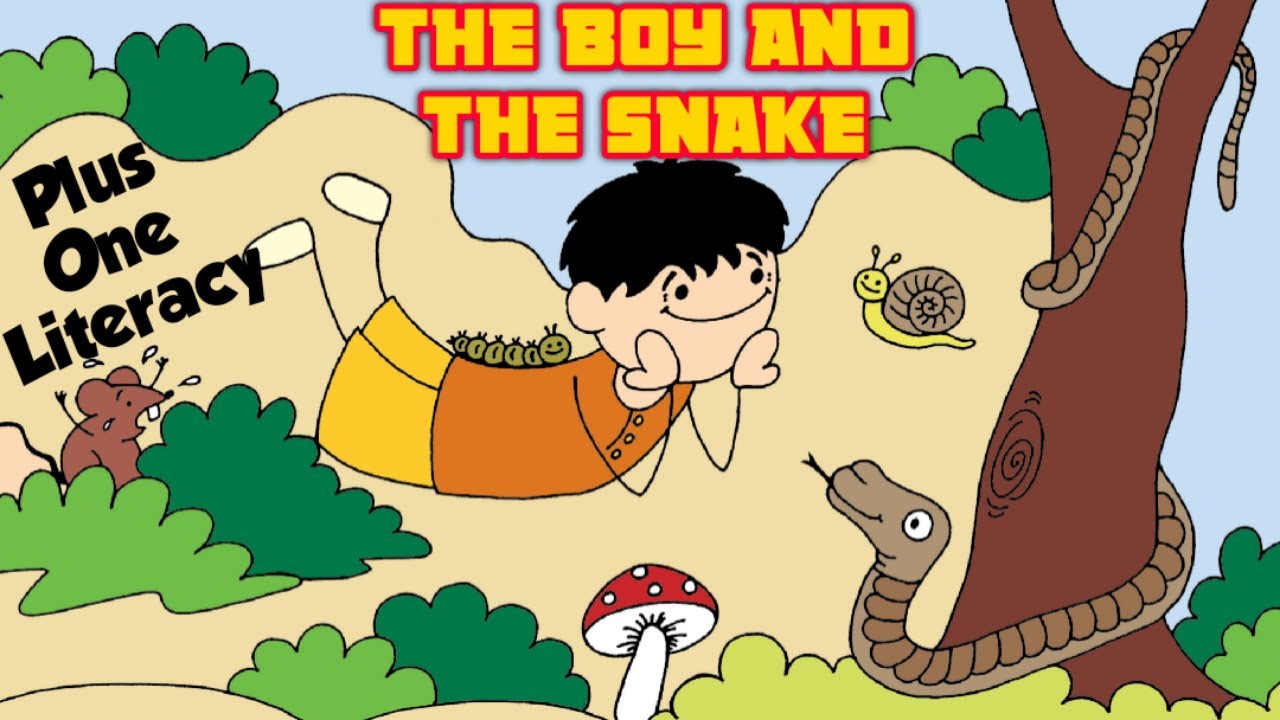
In pop culture, the reversed snake is a recurring motif in music, fashion, and film. The music video for THE BOY AND THE SNAKE by Plus One Literacy uses the imagery of a boy confronting a serpent to explore themes of innocence lost and the corruption of purity. The snake, in this case, is not just a creature but a metaphor for the temptations and challenges that shape identity. Similarly, in fashion, the reversed snake is often used in branding to evoke edginess, mystery, and a break from tradition—think of the serpentine logos of luxury brands that play on the tension between elegance and danger.
The Psychological and Spiritual Dimensions: Confronting the Shadow
At its core, the reversed snake is a psychological symbol, representing the parts of ourselves we deny or fear. Carl Jung’s concept of the “shadow” aligns closely with this idea—the shadow is the unconscious part of the personality that contains repressed weaknesses, instincts, and desires. Engaging with the reversed snake, then, is an act of shadow work: the process of acknowledging and integrating these hidden aspects to achieve self-acceptance and growth. This journey is fraught with discomfort, as it requires confronting fears, past traumas, and societal taboos. Yet, it is also liberating, as it allows the individual to reclaim agency over their narrative.
Spiritually, the reversed snake can signify the need to shed old skins—not just in a literal sense but as a metaphor for personal reinvention. In many traditions, snakes are seen as creatures that undergo periodic shedding, symbolizing renewal. When reversed, this shedding becomes a painful but necessary process of letting go of what no longer serves us. The “Son of a Snake” trope encapsulates this struggle, as the protagonist must shed the legacy of their past to forge a new identity. This theme resonates deeply in stories of redemption, where the protagonist’s journey is one of breaking free from a cursed or toxic lineage.
Conclusion
The reversed snake and the “Son of a Snake” archetype are more than just compelling storytelling devices—they are mirrors held up to the human experience. They force us to confront the dualities within ourselves: the light and the dark, the known and the unknown, the inherited and the chosen. Whether through the lens of tarot, mythology, psychology, or modern media, these symbols reveal the universal struggle to reconcile our contradictions and emerge stronger. The allure of the reversed snake lies in its ability to adapt, to challenge, and to transform, making it a timeless motif that continues to captivate and intrigue. By embracing the lessons of the reversed snake, we not only enrich our understanding of these symbols but also embark on a journey of self-discovery and empowerment.

Leave a Reply