Short Answer
Welcome to your comprehensive guide on La Baraja Española, the traditional Spanish Tarot deck. In this article, you will explore the rich history, symbolic meanings, and cultural significance of this unique divination tool. Whether you’re a seasoned tarot reader or a curious beginner, you’ll gain insights into how La Baraja differs from other decks, its structure, and the deeper reasons behind its enduring fascination. By the end, you’ll understand why this deck continues to captivate spiritual seekers and card enthusiasts alike.
The Origins and History of La Baraja Española
The Spanish Tarot, known as La Baraja Española, traces its roots to the 15th century, emerging alongside the introduction of playing cards in Europe. Unlike the more widely recognized Rider-Waite or Marseille decks, La Baraja is deeply intertwined with Spanish culture and history. The deck was originally designed for games like mus and briscas before evolving into a tool for divination and spiritual exploration.
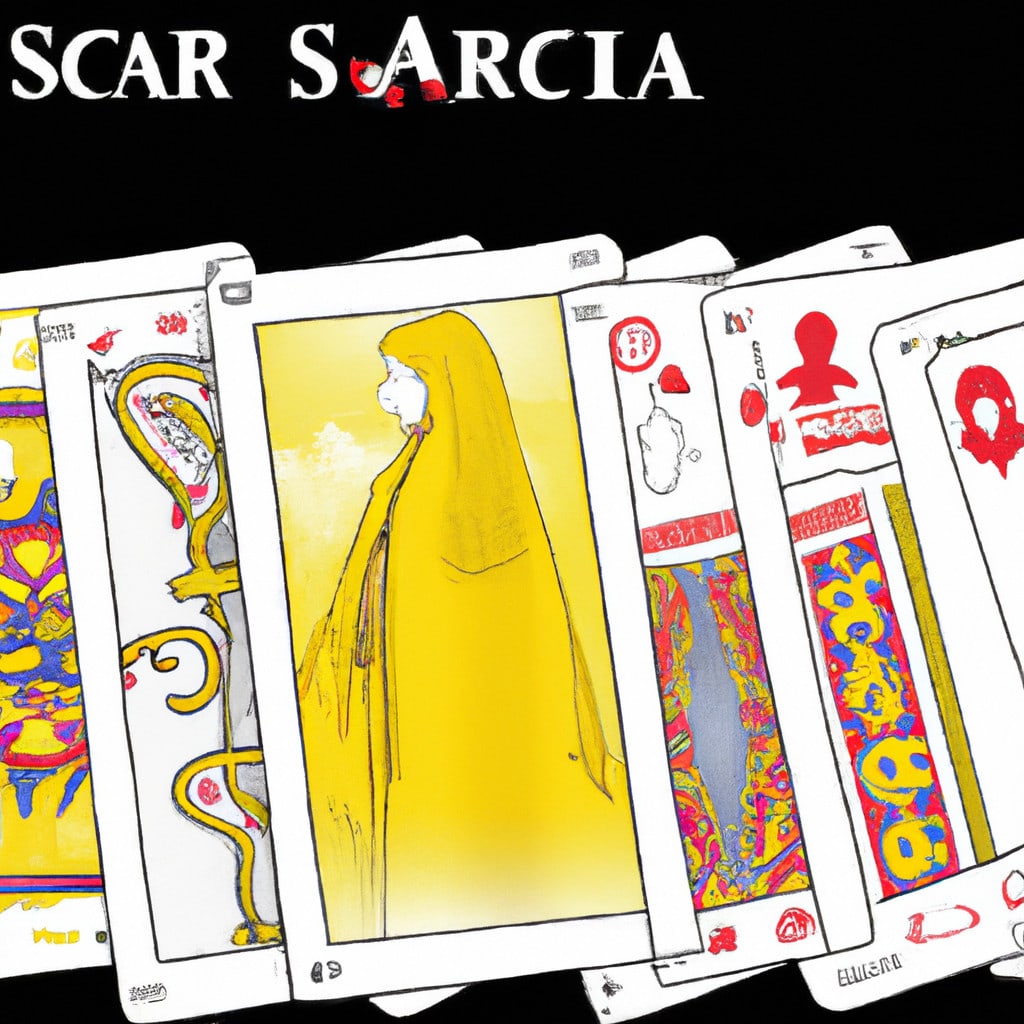
One of the most distinctive features of La Baraja is its use of the Spanish language and cultural symbols. The deck typically consists of 48 cards divided into four suits: Oros (Coins), Copas (Cups), Espadas (Swords), and Bastos (Wands). Each suit corresponds to an element—earth, water, air, and fire—though interpretations may vary. The court cards include Rey (King), Reina (Queen), Caballero (Knight), and Sota (Page), reflecting the hierarchical structure of Spanish society at the time.
The transition from a gaming deck to a divinatory tool is a fascinating journey. As playing cards spread across Europe, their symbolic imagery began to be interpreted for spiritual and mystical purposes. In Spain, La Baraja’s rich iconography—featuring kings, queens, and allegorical figures—made it a natural fit for tarot readings. Today, it remains a beloved choice for those seeking a connection to Spanish heritage and esoteric traditions.
Understanding the Structure of La Baraja Española
La Baraja Española is structured differently from the standard 78-card tarot deck. While the Rider-Waite and Marseille decks include 22 Major Arcana cards, La Baraja typically omits these entirely or incorporates them in a simplified form. Instead, the focus is on the four suits and their court cards, creating a more streamlined yet deeply symbolic system.
The four suits of La Baraja are:
- Oros (Coins): Representing material wealth, stability, and the element of earth. These cards often symbolize prosperity, career, and practical matters.
- Copas (Cups): Linked to emotions, relationships, and the element of water. They reflect love, intuition, and spiritual connections.
- Espadas (Swords): Associated with intellect, conflict, and the element of air. These cards delve into challenges, decisions, and mental clarity.
- Bastos (Wands): Connected to creativity, passion, and the element of fire. They signify inspiration, ambition, and personal growth.
The court cards—Rey, Reina, Caballero, and Sota—add depth to readings by representing different personalities, energies, or stages of a situation. For example, the Rey de Copas might symbolize a nurturing figure or emotional maturity, while the Sota de Espadas could indicate a young, analytical mind or a message requiring careful consideration.
While La Baraja lacks the Major Arcana, its simplicity does not diminish its power. Instead, it encourages readers to focus on the interplay between the suits and court cards, uncovering nuanced insights through their relationships and positions in a spread.
Symbolism and Meanings in La Baraja Española
The imagery in La Baraja Española is steeped in symbolism, drawing from Spanish art, mythology, and everyday life. Unlike the elaborate scenes in Rider-Waite, La Baraja’s cards often feature straightforward, symbolic designs that require a deeper understanding of cultural context. For instance, the As de Oros might depict a single coin with rays of light, symbolizing new beginnings in material matters, while the Tres de Copas could show three cups raised in celebration, representing joy and camaraderie.
One of the most intriguing aspects of La Baraja is its connection to cartomancy, the practice of divination using cards. In Spain, cartomancy has long been a popular method for gaining insight into the future, and La Baraja is a favored tool for this purpose. Readers often interpret the cards based on their positions in a spread, the suits involved, and the interactions between them. For example, a predominance of Espadas might suggest a period of mental or emotional challenge, while a spread rich in Copas could indicate harmony and emotional fulfillment.
The court cards also carry significant meaning. The Reina de Bastos, for instance, might represent a charismatic leader or a creative force, while the Caballero de Oros could symbolize a practical, reliable individual or a project requiring steady effort. Understanding these nuances allows for more personalized and insightful readings.
Another layer of symbolism in La Baraja is its association with folk traditions and superstitions. In some regions of Spain, certain cards are believed to bring good or bad luck. For example, the As de Copas is often seen as a highly positive card, signaling love or emotional fulfillment, while the Sota de Espadas might be viewed with caution, hinting at deception or miscommunication. These cultural beliefs add a layer of depth to readings, connecting the deck to the collective unconscious of Spanish society.
How to Use La Baraja Española for Divination
Using La Baraja Española for divination is a rewarding experience, especially for those who appreciate its cultural richness. While the deck may lack the Major Arcana, its structure allows for intuitive and flexible readings. Here’s a step-by-step guide to getting started:
- Choose a Spread: La Baraja can be used in various spreads, from simple three-card layouts to more complex Celtic Cross variations. A basic spread might include positions for past, present, and future, while a relationship spread could focus on dynamics between two people.
- Interpret the Suits: Pay attention to the suits that appear in your spread. For example, a dominance of Oros might indicate financial or career-related themes, while Copas could suggest emotional or relational matters.
- Analyze the Court Cards: The court cards add personality and depth to readings. Consider their positions and relationships to other cards. A Rey de Espadas in a challenging position might suggest a need for clear communication or decisive action.
- Look for Patterns: Notice any recurring themes or suits in your spread. For instance, multiple Bastos cards could indicate a period of creativity or personal growth, while several Espadas might signal conflict or mental strain.
- Trust Your Intuition: While traditional meanings are valuable, allow your intuition to guide you. La Baraja’s simplicity makes it an excellent tool for intuitive readings, where personal insights can be just as important as established interpretations.
For those new to La Baraja, it’s helpful to start with simple spreads and gradually explore more complex layouts. Practicing with the deck will deepen your understanding of its symbolism and enhance your ability to interpret its messages.
The Cultural and Spiritual Significance of La Baraja
La Baraja Española is more than just a divination tool; it is a reflection of Spanish culture, history, and spirituality. Its imagery and symbolism are deeply rooted in the traditions of the Iberian Peninsula, making it a unique bridge between the past and present. For many, working with La Baraja is a way to connect with their heritage and explore the mystical aspects of their identity.
In Spain, tarot and cartomancy have long been associated with folk magic and superstition. For example, the act of shuffling the cards or the way they fall can be seen as omens or messages from the universe. This cultural context adds a layer of richness to readings, as the deck becomes a tool not just for divination, but for storytelling and cultural preservation.
Spiritually, La Baraja offers a different perspective on tarot compared to more esoteric decks. Its focus on the four elements and court cards encourages a grounded, practical approach to divination. Rather than relying on elaborate imagery, the reader is invited to engage with the raw, symbolic power of the cards. This can lead to more direct and personal insights, as the messages are often less abstract and more tied to everyday life.
The deck’s connection to alchemical and hermetic traditions is another fascinating aspect. While La Baraja lacks the Major Arcana, its structure aligns with the principles of the four elements and the four suits can be seen as a microcosm of the alchemical process. For instance, Oros represents the element of earth and the physical world, while Copas embodies water and the emotional realm. This elemental balance makes La Baraja a powerful tool for those interested in alchemy, astrology, or other esoteric practices.
Common Misconceptions and Clarifications
One of the most common misconceptions about La Baraja Española is that it is inferior to other tarot decks due to its lack of Major Arcana. However, this perspective overlooks the deck’s unique strengths. La Baraja’s simplicity allows for a more focused and intuitive approach to readings, where the interplay of suits and court cards takes center stage. It is not a lesser deck, but rather a different tool with its own set of advantages.
Another misconception is that La Baraja is only used for games and not for divination. While it is true that the deck originated as a gaming tool, its use in cartomancy has been well-documented throughout history. Many Spanish cartomancers have developed their own systems for interpreting La Baraja, proving its validity as a divinatory tool.
Some may also assume that La Baraja is limited to Spanish speakers or those familiar with Spanish culture. While cultural context is important, the deck’s symbolism is universal enough to be appreciated by anyone. With a bit of study and practice, readers from any background can learn to interpret La Baraja’s messages effectively.
Conclusion
La Baraja Española is a treasure trove of cultural, historical, and spiritual significance. Its unique structure, rich symbolism, and deep roots in Spanish tradition make it a compelling choice for both seasoned tarot readers and curious newcomers. Whether you’re drawn to its historical origins, its practical approach to divination, or its connection to folk magic, La Baraja offers a rewarding path to self-discovery and insight.
As you explore this deck, remember that its power lies not just in its cards, but in the stories they tell and the connections they foster. Whether you use it for personal growth, spiritual exploration, or simply the joy of discovery, La Baraja Española invites you to delve deeper into the mysteries of the tarot and the rich tapestry of Spanish culture. Embrace its simplicity, trust your intuition, and let the cards guide you on your journey.
FAQ
What is La Baraja Española?
La Baraja Española is a traditional Spanish playing card deck used for divination, consisting of 48 cards divided into four suits, each representing different elements and symbolic meanings.
How does La Baraja differ from standard tarot decks?
Unlike standard tarot decks that include 78 cards with Major Arcana, La Baraja typically has 48 cards and usually omits Major Arcana, focusing instead on four suits and court cards with culturally specific symbolism.
Can La Baraja be used for tarot readings?
Yes, La Baraja is widely used for divination and tarot readings, with readers interpreting its suits, court cards, and cultural symbolism to provide insights.
What do the suits in La Baraja represent?
The four suits represent different elements and life areas: Oros (Coins) for material wealth and earth, Copas (Cups) for emotions and water, Espadas (Swords) for intellect and air, and Bastos (Wands) for creativity and fire.
Is knowledge of Spanish culture important to read La Baraja?
Understanding Spanish cultural symbols and folk traditions can deepen the interpretation of La Baraja, but intuition and practice also play key roles in readings.
Leave a Reply