Short Answer
Ever wondered if the universe is trying to tell you something—maybe through a deck of illustrated cards? Tarot cards have been used for centuries as a tool for divination, self-reflection, and even just plain fun. But what do they really mean? Whether you’re curious about the Major Arcana’s grand life lessons or the Minor Arcana’s day-to-day guidance, this guide breaks down the symbolism, meanings, and potential challenges each card presents. By the end, you’ll have a clearer picture of how tarot can serve as a mirror to your life—or at least give you something to ponder over coffee.
What Are Tarot Cards and How Do They Work?
Tarot cards are a deck of 78 cards, each packed with imagery and symbolism that dates back to the 15th century. Traditionally, they were used for playing games, but over time, they evolved into a tool for introspection and divination. The deck is divided into two main sections: the Major Arcana (22 cards) and the Minor Arcana (56 cards).
The Major Arcana represents significant life events or spiritual lessons—think of them as the “big picture” cards. The Minor Arcana, on the other hand, deals with everyday situations, divided into four suits: Cups (emotions), Pentacles (material world), Swords (intellect), and Wands (creativity). Together, they create a language that can help you explore your subconscious, make decisions, or simply spark a conversation with your inner self.
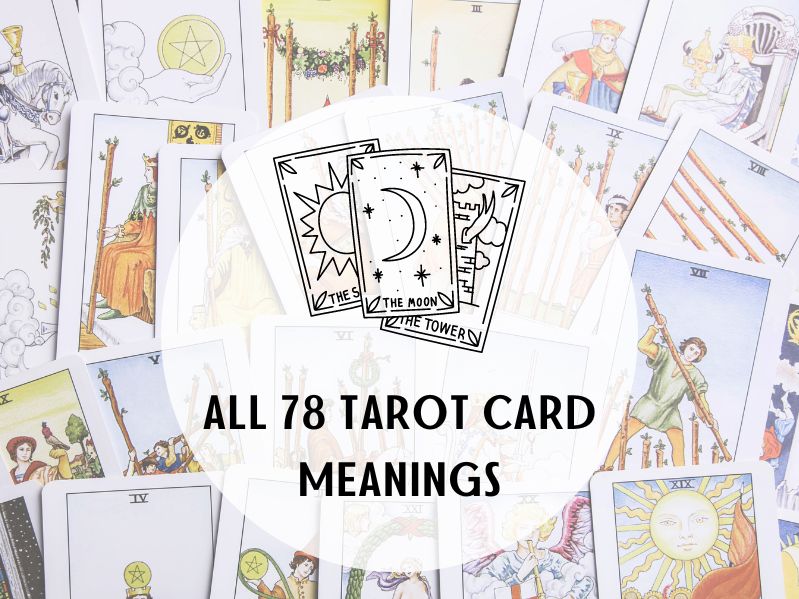
Major Arcana: The Big Life Lessons
The Major Arcana cards are the heart of the tarot deck, each representing a pivotal moment or lesson in your life’s journey. These cards often appear in readings when you’re facing major decisions, transitions, or spiritual awakenings. Here’s a quick breakdown of their core meanings:
- The Fool (0): Beginnings, spontaneity, and taking a leap of faith. It’s the card of new adventures and trusting the universe.
- The Magician (I): Manifestation, skill, and resourcefulness. This card suggests you have the tools to create your reality.
- The High Priestess (II): Intuition, mystery, and hidden knowledge. She encourages you to listen to your inner voice.
- The Empress (III): Nurturing, abundance, and creativity. This card represents growth, whether in relationships, career, or personal projects.
- The Emperor (IV): Authority, structure, and leadership. It’s about taking control and establishing boundaries.
- The Hierophant (V): Tradition, spiritual guidance, and conventional wisdom. This card often appears when seeking advice from mentors or institutions.
- The Lovers (VI): Love, harmony, and choices. It’s not just about romance—it can also represent a decision between two paths.
- The Chariot (VII): Determination, willpower, and victory. This card is a sign to push forward despite obstacles.
- Strength (VIII): Courage, patience, and inner power. It’s about mastering your emotions and fears.
- The Hermit (IX): Solitude, introspection, and seeking answers within. This card suggests a need for reflection.
- Wheel of Fortune (X): Change, cycles, and destiny. It reminds you that life is full of ups and downs.
- Justice (XI): Fairness, truth, and accountability. This card often appears when karma or consequences are at play.
- The Hanged Man (XII): Surrender, new perspectives, and letting go. It’s about seeing things from a different angle.
- Death (XIII): Transformation, endings, and rebirth. Don’t panic—it’s rarely about literal death.
- Temperance (XIV): Balance, moderation, and harmony. This card encourages patience and finding middle ground.
- The Devil (XV): Bondage, temptation, and unhealthy attachments. It’s a warning to break free from toxic patterns.
- The Tower (XVI): Sudden upheaval, chaos, and revelation. This card often signals a major breakdown that leads to breakthroughs.
- The Star (XVII): Hope, inspiration, and healing. It’s a reminder to trust the universe and your path.
- The Moon (XVIII): Illusion, intuition, and the subconscious. This card can indicate confusion or hidden truths.
- The Sun (XIX): Joy, success, and vitality. It’s a card of positivity and clarity.
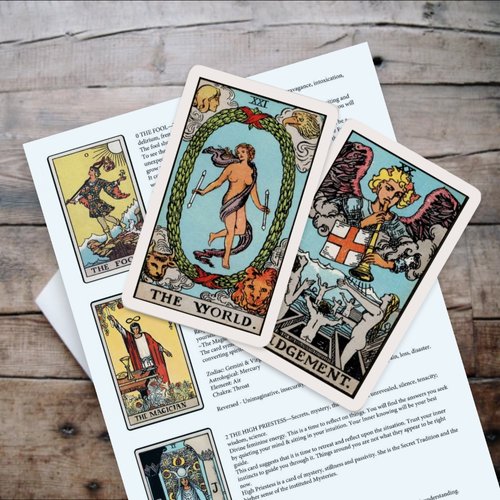
- Judgement (XX): Awakening, redemption, and a call to action. This card suggests a moment of reckoning or a fresh start.
- The World (XXI): Completion, fulfillment, and wholeness. It’s the card of achieving your goals and feeling whole.
Minor Arcana: The Everyday Details
The Minor Arcana cards deal with the nitty-gritty of daily life, offering insights into relationships, work, challenges, and opportunities. Unlike the Major Arcana, these cards are more specific, often reflecting the nuances of your current situation. Here’s how to interpret them:
Cups: The Realm of Emotions
The Cups suit is all about feelings, relationships, and intuition. Cards in this suit often highlight your emotional state, desires, and connections with others.
- Ace of Cups: New emotional beginnings, love, and creativity.
- Three of Cups: Celebration, friendship, and joyful gatherings.
- Seven of Cups: Choices, illusions, and indecision. Are you chasing fantasies or real opportunities?
- King of Cups: Emotional balance, compassion, and wisdom.
Pentacles: The Material World
Pentacles focus on the physical realm—money, career, health, and material possessions. These cards often reflect your relationship with the tangible aspects of life.
- Two of Pentacles: Juggling responsibilities, adaptability, and balance.
- Five of Pentacles: Financial struggle, feeling left out, or hardship.
- Ten of Pentacles: Legacy, family, and long-term security.
- Page of Pentacles: Learning, opportunity, and a new financial venture.
Swords: The Intellectual Realm
Swords represent the mind—thoughts, words, and conflicts. These cards often deal with logic, decisions, and challenges that require mental clarity.
- Three of Swords: Heartbreak, betrayal, or painful truth.
- Eight of Swords: Feeling trapped, self-imposed limitations, or confusion.
- Ace of Swords: Clarity, breakthrough, and a sharp mind.
- Queen of Swords: Independence, honesty, and cutting through illusions.
Wands: The Creative Spark
Wands symbolize passion, inspiration, and action. These cards often reflect your drive, ambitions, and creative energy.
- Two of Wands: Planning, future vision, and taking the first step.
- Six of Wands: Success, recognition, and achievement.
- Knight of Wands: Adventure, impulsiveness, and a burst of energy.
- Ten of Wands: Burden, responsibility, or feeling overwhelmed.
How to Read Tarot Cards: A Simple Approach
Reading tarot doesn’t have to be complicated. Start with a single-card pull for daily guidance or a three-card spread (past, present, future) to dive deeper. Here’s a foolproof method:
- Shuffle the Deck: Focus on your question or intention as you shuffle. Some people like to visualize the energy of the cards aligning with their query.
- Draw Your Cards: Lay out the number of cards you need. Trust your instincts—if a card catches your eye, it might be significant.
- Interpret the Cards: Look at the imagery, symbols, and traditional meanings. Pay attention to your gut reaction—often, your first impression is the most accurate.
- Consider the Context: How do the cards relate to your question? Are they offering advice, warning you, or highlighting a hidden aspect of your situation?
- Reflect and Act: Tarot is a tool for insight, not a magic solution. Use the messages to guide your decisions, but remember—you’re the one in control.
Common Challenges in Tarot Readings
While tarot can be enlightening, it’s not always sunshine and rainbows. Some cards bring tough messages, and interpreting them can be tricky. Here are a few challenges to watch out for:
- Reversed Cards: When a card appears upside down, it often indicates blocked energy, internal struggles, or a need to revisit the issue. For example, the reversed Three of Swords might suggest lingering heartbreak, while the reversed Six of Cups could point to unresolved nostalgia.
- Overwhelm with Symbolism: Some cards are packed with imagery, making them hard to interpret. Break them down—look at individual symbols (e.g., a crown for authority, water for emotions) and see how they connect to your question.
- Confirmation Bias: It’s easy to see what you want to see in a reading. Stay open-minded and consider alternative interpretations, even if they’re uncomfortable.
- Predicting the Future: Tarot offers guidance, not a fixed destiny. The future is fluid, and your actions (or inactions) can change the outcome.
Conclusion
Tarot cards are more than just pretty pictures—they’re a gateway to self-discovery, a mirror to your subconscious, and a playful way to explore life’s big questions. Whether you’re drawn to the Major Arcana’s life lessons or the Minor Arcana’s everyday insights, the deck offers something for everyone. The key is to approach it with curiosity, not fear. Let the cards challenge you, surprise you, and maybe even guide you toward a little more clarity. After all, the universe might just be trying to tell you something—if you’re willing to listen.
FAQ
What is the purpose of tarot cards?
Tarot cards are used for divination, self-reflection, and guidance in decision-making.
How do I start reading tarot cards?
Begin with a single-card draw for daily insights or a three-card spread for deeper context.
Leave a Reply