Short Answer
This guide explores the fascinating world of tarot card meanings, both through the lens of mobile applications and traditional divination techniques. Whether you’re a curious beginner or a seasoned practitioner, you’ll discover how tarot works, how to interpret its symbols, and why it continues to captivate millions worldwide. By the end, you’ll have a deeper understanding of how tarot bridges intuition and symbolism, offering insights into life’s complexities.
Understanding Tarot Card Meanings: The Basics
Tarot is a deck of 78 symbolic cards used for divination, self-reflection, and spiritual guidance. Each card carries unique imagery and archetypal meanings, often rooted in centuries-old traditions. The deck is divided into two main sections: the Major Arcana (22 cards representing life’s grand themes) and the Minor Arcana (56 cards reflecting everyday experiences).
At its core, tarot doesn’t predict the future but instead serves as a mirror for the subconscious mind. The cards act as a visual language, helping users explore their thoughts, emotions, and potential outcomes. For example, The Fool card symbolizes new beginnings and spontaneity, while The Tower represents sudden change or upheaval. Understanding these symbols is key to unlocking tarot’s deeper messages.
How Tarot Apps Enhance Your Practice
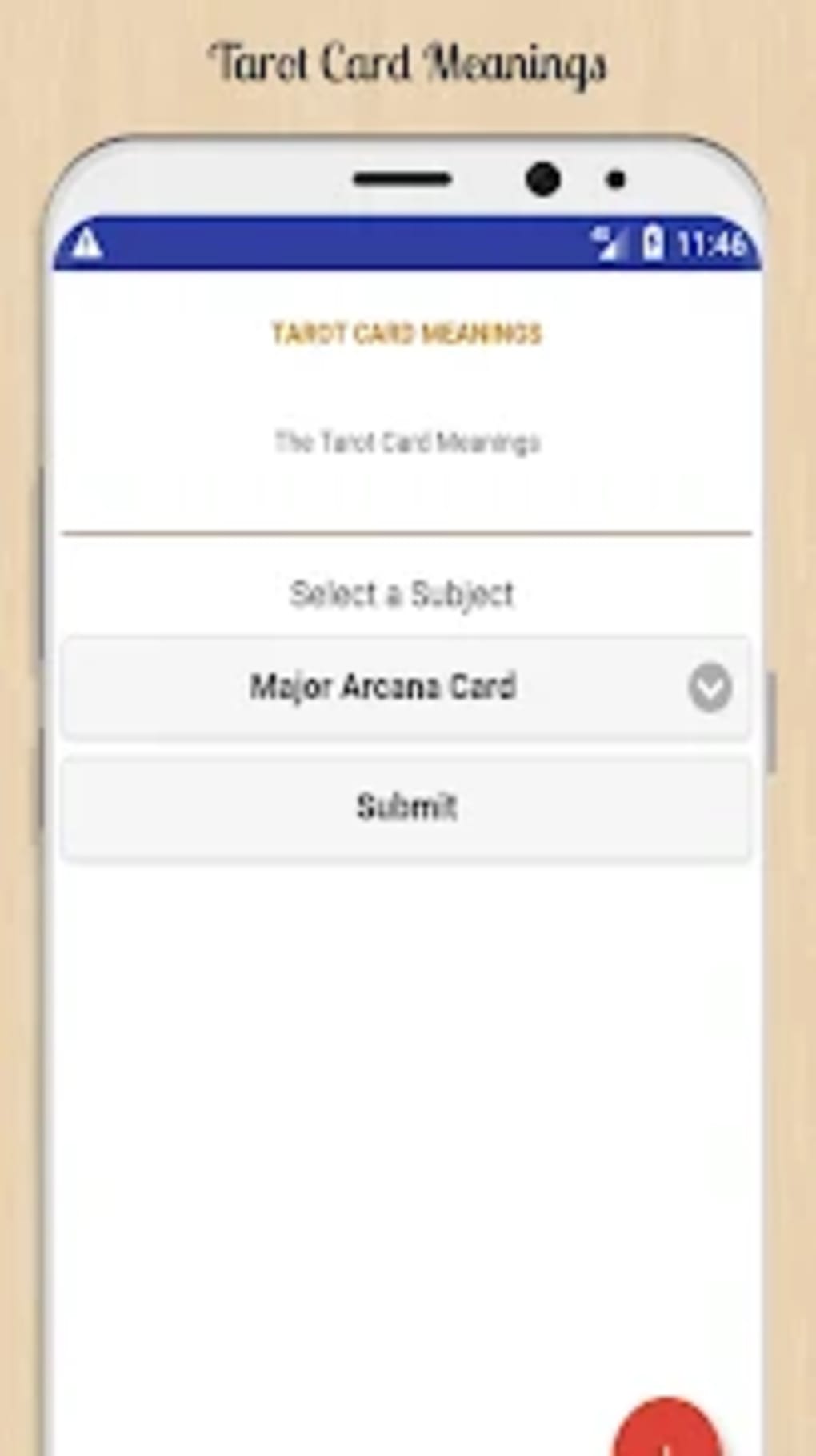
Modern tarot apps, like the ones shown in the images, provide instant access to card meanings, spreads, and guided readings. These tools are especially useful for beginners who may feel overwhelmed by traditional guidebooks. Apps often include features such as:
- Interactive Card Databases: Swipe through the deck with detailed descriptions of upright and reversed meanings.
- Customizable Spreads: Choose from classic layouts like the Celtic Cross or Three-Card Spread to tailor readings to your needs.
- Journaling Capabilities: Track your progress and note recurring themes in your readings.
- Audio Guidance: Some apps offer narrated interpretations to deepen your understanding.
While apps streamline the process, they shouldn’t replace intuition. The best results come from combining digital tools with personal reflection. For instance, an app might tell you that The High Priestess suggests hidden knowledge, but your gut feeling about a specific situation will refine the message.
The Psychology Behind Tarot’s Enduring Appeal
One of the most intriguing aspects of tarot is its psychological depth. Studies suggest that tarot readings activate the brain’s visual and emotional centers, making abstract concepts feel tangible. This phenomenon explains why people often describe tarot as a form of “therapy without a therapist.” The cards provide a structured way to explore subconscious fears, desires, and conflicts.
Carl Jung, the renowned psychologist, saw tarot as a tool for exploring archetypes—the universal symbols embedded in human culture. For example, The Emperor card reflects authority and structure, resonating with our collective understanding of leadership. When you draw this card, your mind subconsciously associates it with power dynamics in your life, whether personal or professional.
Additionally, tarot’s reliance on symbolism taps into the human need for storytelling. Each reading becomes a narrative, helping users make sense of their experiences. This storytelling aspect is why tarot remains popular in creative fields, from writers to artists seeking inspiration.
Mastering Tarot Techniques for Deeper Insights
Beyond memorizing card meanings, advanced practitioners focus on techniques that enhance clarity and precision. Here are some methods to elevate your practice:
- Card Pairing: Combine two cards to explore their relationship. For example, pairing The Lovers with The Chariot might highlight a choice between love and ambition.
- Elemental Dignities: Analyze the elemental associations of cards (e.g., fire for passion, water for emotions) to assess their compatibility in a spread.
- Astrological Correspondences: Many tarot decks align cards with zodiac signs or planets. Understanding these links can add another layer of interpretation.
- Shadow Work: Use tarot to confront personal challenges by drawing cards that represent your “shadow self” (hidden traits or repressed emotions).
Consistency is key. Keep a tarot journal to record your readings and track patterns over time. Over months or years, you’ll notice how certain cards recur during specific life phases, revealing deeper truths about your journey.
Common Misconceptions and How to Avoid Them
Tarot is often misunderstood, leading to misconceptions that can hinder a meaningful practice. One prevalent myth is that tarot predicts a fixed future. In reality, the cards highlight potential paths based on current energies. Free will plays a crucial role—your actions shape the outcome.
Another misconception is that tarot is inherently “dark” or “occult.” While tarot has historical ties to mysticism, it’s fundamentally a psychological tool. Even skeptics can use tarot for introspection without spiritual beliefs. For example, drawing The Death card doesn’t foretell literal death but may signal transformation or the end of a cycle.
Lastly, many beginners expect every reading to be profound. Some days, the cards might offer simple, practical advice—like The Six of Pentacles suggesting generosity or balance in giving and receiving. Embrace these straightforward messages; not every reading needs to be life-altering.
Conclusion
Tarot card meanings offer a gateway to self-discovery, blending ancient symbolism with modern psychology. Whether you use an app for convenience or traditional methods for depth, tarot’s power lies in its ability to reflect the human experience. By understanding the cards’ archetypes, leveraging digital tools, and refining your techniques, you can transform tarot into a lifelong companion for insight and growth.
Remember, the true magic of tarot isn’t in fortune-telling but in its capacity to illuminate the unseen aspects of your life. Approach each reading with curiosity and an open mind, and you’ll uncover layers of meaning that resonate with your personal journey.
FAQ
What is tarot used for?
Tarot is used for divination, self-reflection, and spiritual guidance, helping users explore thoughts, emotions, and potential outcomes.
Do tarot cards predict the future?
Tarot cards do not predict a fixed future but highlight potential paths based on current energies and choices.
How do tarot apps help with readings?
Tarot apps provide instant access to card meanings, customizable spreads, journaling features, and audio guidance to enhance understanding and practice.
What is the psychological benefit of tarot?
Tarot activates emotional and visual centers of the brain, offering a structured way to explore subconscious fears, desires, and conflicts.
What are common misconceptions about tarot?
Common misconceptions include that tarot predicts a fixed future, is inherently occult or dark, and that every reading must be profoundly life-altering.
Leave a Reply