Short Answer
Welcome to your comprehensive guide to the Seven of Swords, also known as The Thief Tarot card. In this article, you’ll explore the upright and reversed meanings, symbolic imagery, and practical advice for interpreting this card in your readings. Whether you’re a seasoned tarot reader or just beginning your journey, this guide will help you understand the nuances of The Thief and how it might relate to your life. By the end, you’ll feel confident in recognizing its messages and applying its wisdom to your questions and challenges.
The Seven of Swords: A Playful Question and a Hidden Challenge
The Seven of Swords often arrives in a reading with a mischievous wink, posing a playful question: “Are you being entirely honest with yourself—or someone else?” This card introduces a scenario where strategy, cleverness, or even a bit of trickery might be at play. It doesn’t always mean outright deception, but it does suggest that you—or someone involved in your situation—may be operating with a hidden agenda, taking a calculated risk, or avoiding full transparency. The challenge here isn’t just about catching lies; it’s about recognizing when you’re outmaneuvering yourself through avoidance, half-truths, or self-sabotage. The Thief doesn’t always steal from others—sometimes, the real theft is of your own peace of mind.
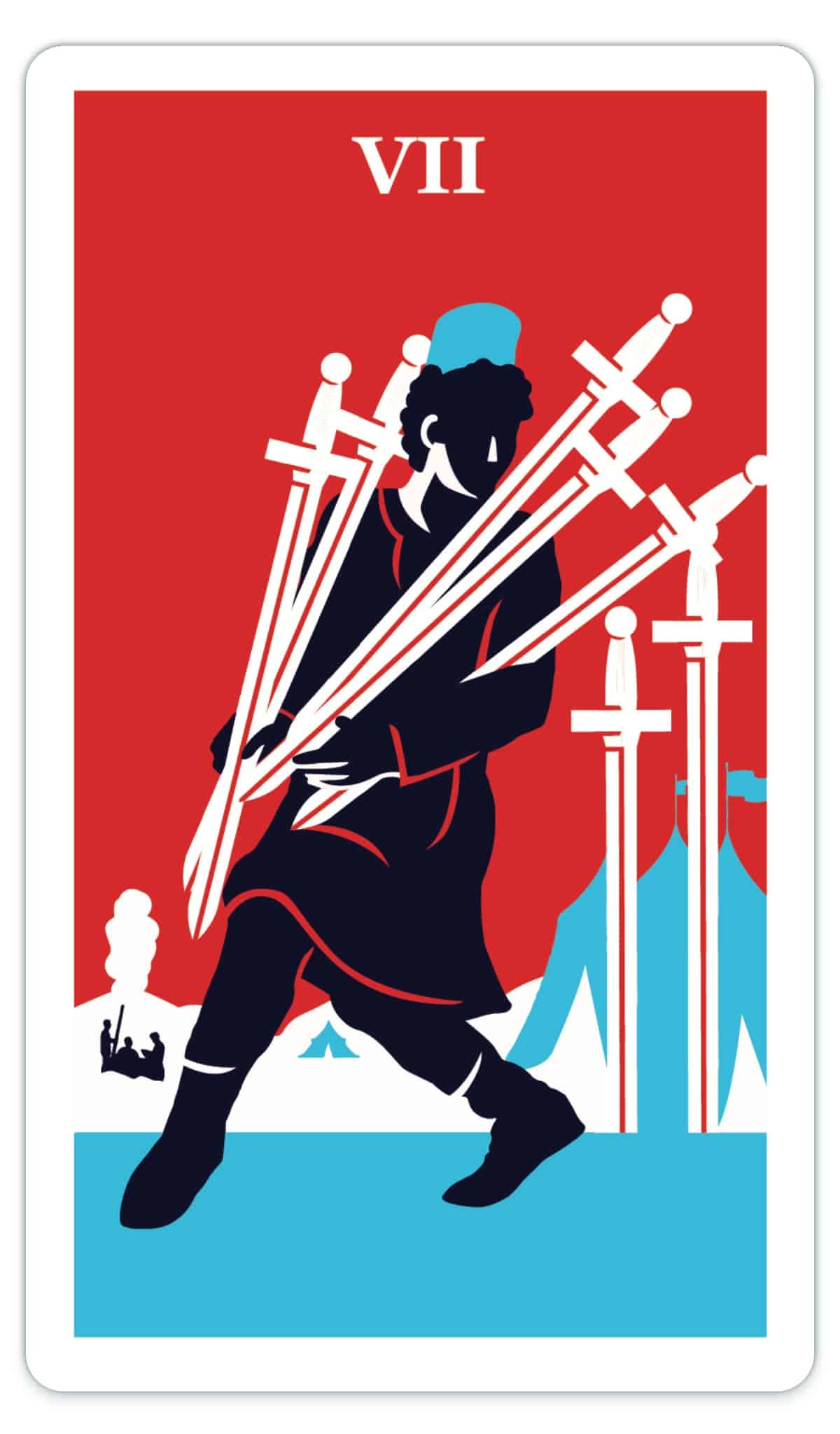
Visually, the Seven of Swords often depicts a figure sneaking away with five swords, leaving two behind. This imagery reinforces the idea of selective honesty or strategic withdrawal. The thief’s posture is often cautious, suggesting that while they’ve gained something, they’re also aware of the risks involved. This card asks you to examine your motives: Are you taking what isn’t yours, or are you simply avoiding confrontation by keeping secrets? The answer could reveal whether your actions are serving your highest good or leading you into unnecessary conflict.
Upright Meaning: Strategy, Cunning, and the Art of the Escape
When the Seven of Swords appears upright, it signals a time of clever maneuvering, quick thinking, or even a need for stealth. This card often shows up when you’re navigating a tricky situation where direct confrontation isn’t an option—or when you need to outsmart a problem rather than confront it head-on. It’s a reminder that sometimes, walking away or finding an unconventional solution is the smartest move. Think of it as the tarot’s way of saying, “Not all battles are worth fighting.”
In career or academic settings, the Seven of Swords upright can indicate that you’re using your wit to get ahead. Perhaps you’re avoiding a difficult conversation by finding a loophole, or you’re strategizing to gain an advantage without burning bridges. In relationships, this card might suggest that someone is being evasive or that you’re choosing to keep your feelings to yourself to avoid conflict. While this can be a practical approach, it’s important to ask yourself: “Am I doing this to protect myself, or am I avoiding the truth?”
This card also highlights the importance of timing. The thief in the Seven of Swords doesn’t rush; they wait for the right moment to act. If this card appears in your reading, it could be urging you to bide your time, gather information, or make a move when the odds are in your favor. Trust your instincts, but stay mindful of the bigger picture. Are your actions aligned with your long-term goals, or are you just reacting out of fear or impatience?
Reversed Meaning: Exposure, Regret, and the Cost of Deception
When the Seven of Swords appears reversed, the playful trickster turns into a cautionary tale. This card in reverse often signals that secrets are about to come to light, or that your avoidance tactics are no longer working. Someone might be calling you out on your evasiveness, or you’re finally facing the consequences of your actions. The reversed Seven of Swords is a wake-up call: “The truth has a way of catching up.”
In this position, the card warns of the potential fallout from dishonesty—whether it’s with others or yourself. You might feel exposed, judged, or regretful about the choices you’ve made. If you’ve been keeping a low profile to avoid responsibility, the reversed Seven of Swords suggests that the time for hiding is over. It’s time to own up to your actions, whether that means apologizing, making amends, or simply admitting where you went wrong. This card can also indicate that your cleverness has backfired, leaving you in a worse position than if you’d been straightforward from the beginning.
On a personal level, the reversed Seven of Swords might reveal self-deception. Are you convincing yourself that a small lie or omission is harmless, only to realize it’s causing more harm than good? This card encourages brutal honesty—not to punish yourself, but to free yourself from the weight of secrecy. It’s a reminder that while strategy is valuable, integrity is irreplaceable.
Symbolism and Imagery: Decoding the Thief’s Tools
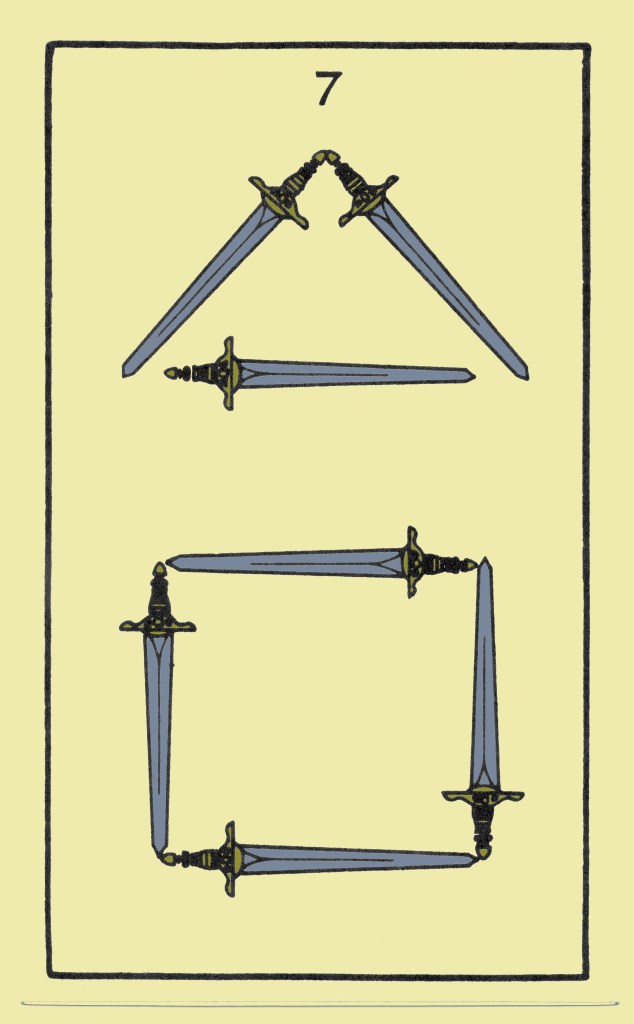
The Seven of Swords is rich with symbolism that deepens its meaning. The five swords the thief carries could represent ideas, plans, or even relationships that they’re taking with them. The two swords left behind might symbolize what’s being abandoned—perhaps old beliefs, failed strategies, or even people who no longer serve your growth. The thief’s cautious gait suggests that while they’ve gained something, they’re also aware of the risks. This duality is key: every gain comes with a cost, and every escape leaves something behind.
The background often features a barren landscape, reinforcing the idea of isolation or a lack of support. The thief is alone in their endeavor, which can highlight the loneliness of deception or the burden of carrying secrets. The sky is usually clear, however, suggesting that while the immediate situation is tense, the storm may have passed—or is yet to come. This contrast between stillness and action mirrors the internal conflict many feel when caught between honesty and strategy.
Another layer of symbolism lies in the swords themselves. Swords in tarot represent intellect, conflict, and communication. Here, they’re being used not just for battle, but for manipulation and evasion. This card asks you to consider how you’re wielding your own mental and communicative powers. Are you using them to build bridges or to create distance? The Seven of Swords challenges you to reflect on the ethics of your actions and the intentions behind them.
Practical Advice: How to Work with the Seven of Swords
If the Seven of Swords appears in your reading, here’s how to interpret its message and apply it to your life:
- Assess your motives: Are you being strategic or sneaky? Ask yourself if your actions align with your values. If not, it might be time to realign your approach.
- Consider the consequences: Every action has a reaction. The Seven of Swords urges you to think ahead—what might be the fallout of your choices?
- Choose honesty where it matters: Not every situation requires full transparency, but major decisions—especially those affecting others—should be approached with integrity.
- Trust your instincts: If something feels off, it probably is. The Seven of Swords is a reminder to listen to that inner voice, even if it’s telling you to walk away.
- Learn from the thief’s caution: Timing is everything. Don’t rush into decisions; instead, wait for the right moment to act.
Whether upright or reversed, the Seven of Swords is a card of awareness. It doesn’t judge your actions—it simply asks you to recognize them. By doing so, you can turn potential pitfalls into opportunities for growth and wisdom.
Conclusion
The Seven of Swords, or The Thief, is a card that thrives in the gray areas of life. It challenges you to examine your strategies, question your motives, and consider the cost of your choices. Whether you’re navigating a tricky situation, avoiding an uncomfortable truth, or simply outsmarting a problem, this card reminds you that cleverness alone isn’t enough—integrity and self-awareness are your greatest tools.
In the end, the Seven of Swords isn’t about villainy or punishment. It’s about recognizing the power of your actions and the importance of aligning them with your highest self. By embracing both your strategic mind and your ethical compass, you can navigate even the most deceptive situations with confidence and clarity. So the next time this card appears, ask yourself: “Am I the thief, or am I the one being tricked?” The answer might just change everything.
FAQ
What does the Seven of Swords mean in a tarot reading?
The Seven of Swords indicates themes of strategy, cunning, and the potential for deception, urging self-reflection on honesty.
How should I interpret the Seven of Swords upright?
Upright, it suggests clever maneuvering and the need for stealth, indicating that sometimes avoidance may be the best strategy.
What does the Seven of Swords reversed indicate?
Reversed, it warns of exposure and the consequences of dishonesty, urging you to confront your actions.
Leave a Reply