Short Answer
Dive into the mystical world where ancient Kabbalah wisdom meets the intuitive art of tarot. This guide explores The Tree of Life Tarot—a fusion of esoteric symbolism and divination that offers profound insights into the human experience. You’ll discover the origins of this powerful system, how the 22 Major Arcana cards align with the Kabbalistic paths, and why this deck resonates deeply with seekers of spiritual growth. Whether you’re a tarot enthusiast, a Kabbalah student, or simply curious about the intersection of these two traditions, this exploration will illuminate the unique appeal and transformative potential of The Tree of Life Tarot.
The Fusion of Kabbalah and Tarot: A Sacred Bridge
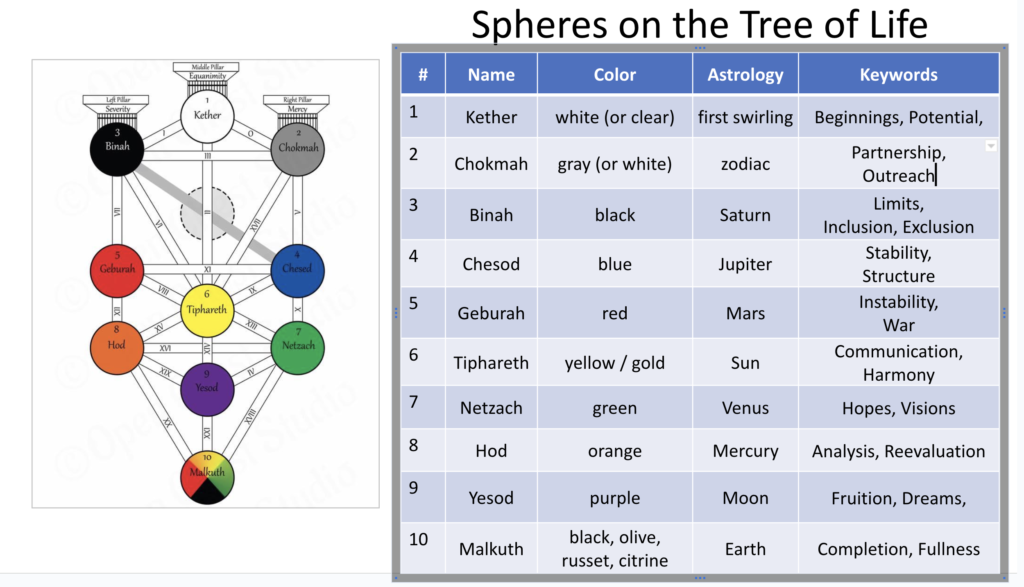
The Tree of Life Tarot represents a harmonious marriage between two ancient wisdom traditions: Kabbalah, the mystical branch of Judaism, and tarot, the divination system steeped in archetypal imagery. At its core, Kabbalah’s Tree of Life is a symbolic diagram of creation, consciousness, and divine energy, composed of ten Sefirot (spheres) connected by 22 paths. Tarot, particularly the Major Arcana, mirrors this structure with 22 cards that correspond to the paths, each embodying a stage in the soul’s journey toward enlightenment.
This synergy creates a deck that transcends mere fortune-telling. The Tree of Life Tarot becomes a map for self-discovery, where each card’s placement on the Tree reveals its deeper spiritual significance. For instance, The Fool card, often associated with new beginnings, aligns with the first path between Keter (Crown) and Chokmah (Wisdom), symbolizing the leap of faith required to embark on a spiritual path. This alignment transforms tarot readings into a sacred dialogue with the divine, offering clarity on life’s challenges and opportunities.
Decoding the 22 Major Arcana: Paths to Enlightenment
The Major Arcana in The Tree of Life Tarot are not just standalone symbols; they are dynamic forces that interact with the Sefirot to reveal the soul’s evolution. Each card corresponds to a specific path on the Tree, with its imagery and meaning deeply rooted in Kabbalistic teachings. Here’s a glimpse into how these cards illuminate the journey:
- The Magician (Path 12: Keter to Binah) – Represents the divine spark within, channeling cosmic energy to manifest desires.
- The High Priestess (Path 13: Keter to Chokmah) – Embodies intuition and hidden wisdom, bridging the conscious and subconscious.
- Death (Path 24: Netzach to Yesod) – Symbolizes transformation and rebirth, essential for spiritual growth.
- The World (Path 32: Yesod to Malkuth) – Marks the completion of a cycle, celebrating integration and wholeness.
This system elevates tarot readings from predictive tools to profound spiritual guides. When a card appears in a spread, its position on the Tree of Life provides context, revealing whether it signifies a challenge, a lesson, or a moment of divine intervention. For example, drawing The Tower in the path between Geburah (Severity) and Chesed (Mercy) might indicate a necessary upheaval to restore balance in one’s life.
The Minor Arcana: Grounding the Divine in Daily Life
While the Major Arcana charts the soul’s grand journey, the Minor Arcana grounds these spiritual lessons in the fabric of everyday existence. In The Tree of Life Tarot, the four suits—Wands, Cups, Swords, and Pentacles—correspond to the four Kabbalistic worlds: Atziluth (Emanation), Briah (Creation), Yetzirah (Formation), and Assiah (Action). Each suit reflects a different aspect of human experience:
- Wands (Fire, Atziluth) – Creativity, passion, and ambition.
- Cups (Water, Briah) – Emotions, relationships, and intuition.
- Swords (Air, Yetzirah) – Intellect, conflict, and communication.
- Pentacles (Earth, Assiah) – Material world, finances, and practicality.
This integration ensures that The Tree of Life Tarot is not just a tool for lofty spiritual pursuits but also a practical guide for navigating life’s mundane and profound moments. A reading might reveal that a Pentacles card in the path of Netzach (Victory) suggests perseverance in achieving financial stability, while a Cups card in Binah (Understanding) could indicate a need to process deep emotional truths.
Reading with The Tree of Life Tarot: A Multi-Dimensional Experience
Reading The Tree of Life Tarot is a layered experience that invites both intellectual and intuitive engagement. Unlike traditional tarot spreads, this system encourages the reader to consider the Kabbalistic context of each card. Here’s how to approach a reading:
- Card Placement – Note where each card falls on the Tree of Life. Is it in a higher Sefirah (spiritual realm) or a lower one (material world)?
- Path Dynamics – Examine the paths between Sefirot. A card in the path from Chokmah (Wisdom) to Binah (Understanding) might highlight a need for deeper insight.
- Elemental Correspondences – Align the card’s suit with its elemental energy. For example, a Swords card in the path of Geburah (Severity) could indicate a mental challenge requiring discipline.
- Shadow Work – The Tree of Life Tarot often reveals unconscious patterns. A card like The Devil in the path of Hod (Splendor) might point to limiting beliefs or attachments.
This method transforms a simple reading into a transformative journey. For instance, a querent pulling The Lovers in the path of Tiphareth (Beauty) might explore themes of harmony, choice, and sacred union, both internally and externally. The depth of this system allows for readings that are not only insightful but also deeply personal and healing.
The Unique Appeal: Why This Deck Resonates
The Tree of Life Tarot stands out in the crowded world of divination decks for several reasons. Its fusion of Kabbalah and tarot creates a universal language that speaks to seekers across spiritual traditions. The rich symbolism—from the Hebrew letters on the paths to the Sephirotic colors—offers endless layers of interpretation, making each reading a unique exploration.
Moreover, this deck appeals to those who crave structure in their spiritual practice. The Tree of Life provides a clear framework for understanding life’s complexities, while tarot adds the flexibility of intuitive guidance. It’s a tool for both the analytical mind and the mystical heart, bridging the gap between logic and mystery.
Artistically, decks like the one inspired by Living Magick Publishing often feature stunning, esoteric imagery that enhances the meditative experience. The cards become not just tools for divination but also objects of reverence, inviting the user to engage with them on a soul level.
Conclusion
The Tree of Life Tarot is more than a deck of cards; it’s a gateway to profound spiritual wisdom. By merging the ancient wisdom of Kabbalah with the intuitive art of tarot, this system offers a unique path to self-discovery, healing, and enlightenment. Whether you’re drawn to its intricate symbolism, its practical applications, or its transformative potential, The Tree of Life Tarot invites you to explore the depths of your soul and the mysteries of the universe. As you delve into its layers, you’ll find that this deck is not just a tool for divination—it’s a companion on the journey toward wholeness.
FAQ
What is The Tree of Life Tarot?
The Tree of Life Tarot combines Kabbalistic teachings with tarot to provide insights into spiritual growth and self-discovery.
How do the Major Arcana relate to Kabbalah?
Each of the 22 Major Arcana cards corresponds to a path on Kabbalah’s Tree of Life, offering deeper spiritual insights.
Leave a Reply