Short Answer
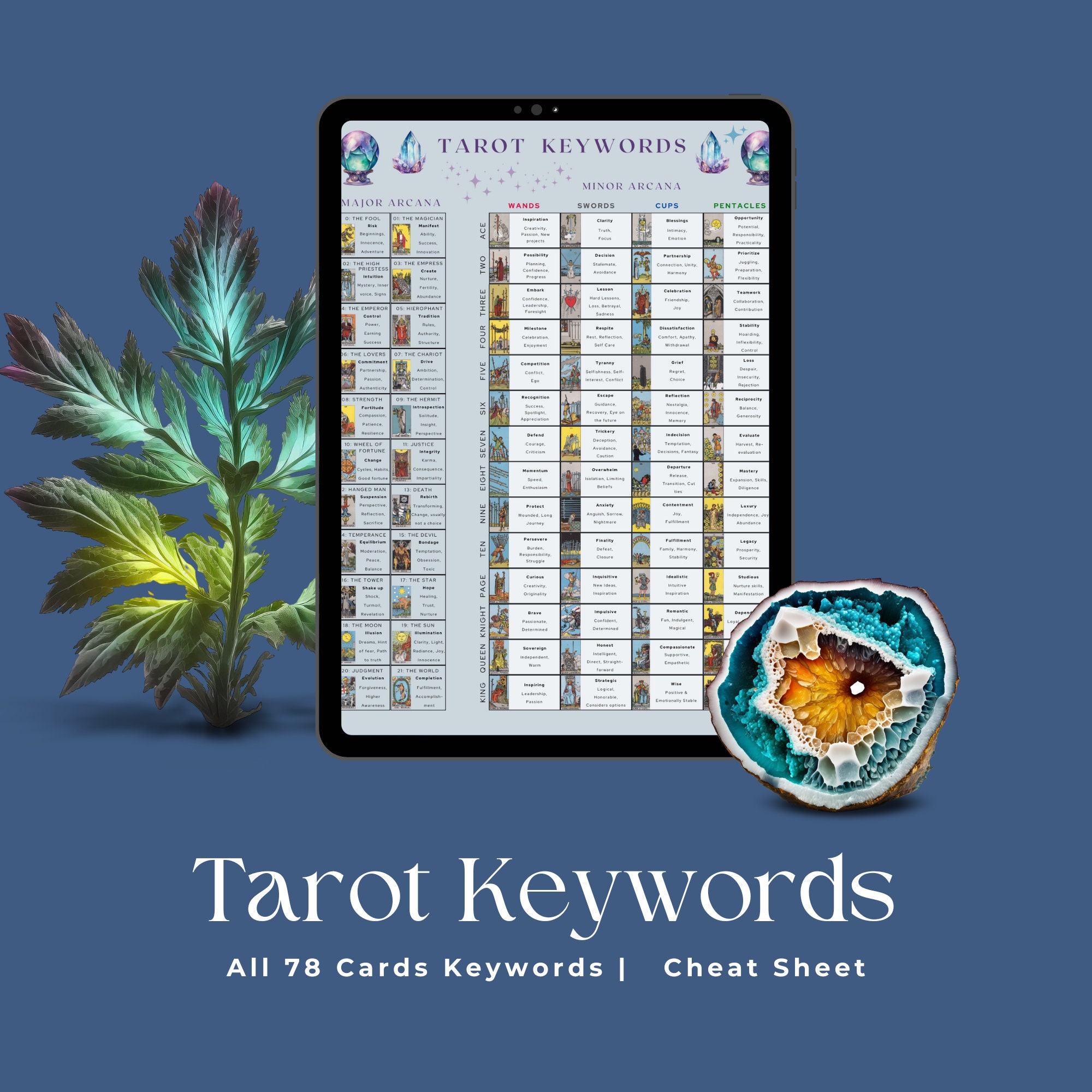
Embarking on a journey into the world of tarot can feel overwhelming—there are 78 cards, each with layers of meaning, symbols, and interpretations. Whether you’re a beginner seeking clarity or an experienced reader looking to deepen your understanding, having a reliable, comprehensive guide is essential. This ultimate tarot meaning list is designed to be your go-to resource, offering concise yet profound insights that promise to shift your perspective and ignite your curiosity. From the Major Arcana’s archetypal narratives to the Minor Arcana’s everyday reflections, this guide will illuminate the hidden messages within each card, helping you decode the universe’s whispers.
The Major Arcana: The Fool’s Journey and Life’s Transformations
The Major Arcana consists of 22 cards, each representing a significant milestone or lesson in the “Fool’s Journey”—a metaphorical path of personal growth and spiritual evolution. These cards often appear in readings to signify major life events, karmic influences, or deep inner transformations. For instance, The Fool embodies new beginnings, spontaneity, and the courage to leap into the unknown, while The Magician symbolizes manifestation, resourcefulness, and the power to turn dreams into reality. Each card in this sequence tells a story of awakening, challenge, and enlightenment, making them the backbone of any tarot reading.
Understanding the Major Arcana is like reading a cosmic roadmap. Cards like The Lovers (harmony and choices) and Death (transformation, not literal demise) reveal the cyclical nature of life, encouraging you to embrace change rather than fear it. By familiarizing yourself with these archetypes, you’ll start recognizing patterns in your own life and the lives of others, gaining a deeper appreciation for the universal themes that connect us all.

The Minor Arcana: Everyday Lessons and Practical Guidance
While the Major Arcana sets the stage for grand narratives, the Minor Arcana—comprising 56 cards divided into four suits (Wands, Cups, Swords, and Pentacles)—offers a lens into daily life, challenges, and opportunities. Each suit corresponds to an element and a facet of human experience:
- Wands (Fire): Creativity, passion, ambition, and inspiration. These cards often relate to career, projects, and personal drive.
- Cups (Water): Emotions, relationships, intuition, and spirituality. They reflect love, joy, sorrow, and the depths of the heart.
- Swords (Air): Intellect, communication, conflict, and truth. These cards deal with thoughts, decisions, and the power of words.
- Pentacles (Earth): Material world, finances, health, and practical matters. They ground the spiritual into tangible reality.
For example, drawing the Three of Cups might indicate celebration, friendship, or emotional fulfillment, while the Five of Pentacles could signal financial struggle or feeling left out in the cold. The Minor Arcana teaches that even the smallest moments carry meaning, urging you to pay attention to the details of your daily existence.
Reversed Cards: Uncovering Hidden Truths and Blocked Energy
Tarot cards can appear upright or reversed, and reversals often indicate internalized energy, resistance, or a need for introspection. A reversed card doesn’t necessarily mean a negative outcome; instead, it highlights areas where energy is stagnant, lessons are being avoided, or a different perspective is needed. For instance, The Tower reversed might suggest that you’re resisting necessary change, while Strength reversed could point to self-doubt or difficulty controlling your emotions.
Interpreting reversals requires intuition and context. Ask yourself: Is this card asking me to look deeper? Am I ignoring a truth? The reversed position invites you to explore the shadow side of the card’s energy, fostering growth through awareness. Over time, you’ll learn to see reversals not as obstacles but as signposts guiding you toward balance.
Court Cards: The People and Personalities in Your Life
The 16 Court Cards (Page, Knight, Queen, King of each suit) represent people, personality traits, or even aspects of yourself. They can be tricky to interpret because their meaning shifts based on the question and surrounding cards. For example, the Queen of Swords might symbolize an independent, analytical woman in your life—or your own sharp intellect and honesty. The Knight of Wands could reflect a passionate, adventurous friend or your own restless energy seeking new horizons.
To demystify Court Cards, consider their suit and rank. Pages are often messengers or students, Knights are action-oriented, Queens embody mastery of their suit’s energy, and Kings represent authority and leadership. Pay attention to whether the card is upright or reversed, as this can clarify whether the energy is expressed positively or needs refinement.
Reading Tarot with Intention: Tips for Meaningful Insights
Tarot is a tool for reflection, not a crystal ball. To get the most out of your readings:
- Set an Intention: Before shuffling, clarify what you hope to learn. Are you seeking guidance on a relationship, career, or personal growth?
- Trust Your Intuition: While guidebooks are helpful, your first impression of a card’s meaning is often the most accurate. Notice the imagery, symbols, and emotions it evokes.
- Context Matters: A single card’s meaning changes based on its position in a spread and the cards around it. For example, The Hermit in a career spread might suggest solitude and introspection, while in a love spread, it could indicate withdrawal or needing space.
- Practice Regularly: The more you read, the more attuned you’ll become to the cards’ nuances. Keep a journal to track your interpretations and growth.
Common Tarot Spreads for Every Occasion
Tarot spreads are layouts that determine how cards are drawn and interpreted. Here are a few versatile spreads to try:
- Single-Card Pull: Perfect for daily reflections or quick guidance. Draw one card to set the tone for your day or answer a simple question.
- Three-Card Spread: A classic layout representing past, present, and future—or situation, challenge, and outcome. It’s ideal for gaining clarity on a specific issue.
- Celtic Cross: A more complex 10-card spread that delves into the heart of a problem, offering deep insights into influences, obstacles, and potential outcomes.
- Relationship Spread: Focuses on dynamics between two people, highlighting strengths, challenges, and areas for growth.
Experiment with different spreads to see what resonates with you. The key is to remain open to the messages the cards reveal, even if they challenge your expectations.
Conclusion
Tarot is far more than a divination tool—it’s a mirror that reflects your inner world, a guide that navigates life’s complexities, and a catalyst for profound self-discovery. This ultimate tarot meaning list is your companion on this journey, offering clarity when you’re lost, validation when you’re uncertain, and inspiration when you’re stuck. As you delve into the cards, remember that their power lies not in predicting the future but in illuminating the present. Each reading is an opportunity to shift your perspective, confront hidden truths, and embrace the magic of transformation. Whether you’re drawn to the Major Arcana’s epic narratives or the Minor Arcana’s everyday lessons, let the tarot be your ally in uncovering the wisdom that resides within you. Bookmark this guide, revisit it often, and watch as the cards become a trusted source of insight and empowerment in your life.
FAQ
What is the difference between Major and Minor Arcana cards?
Major Arcana cards represent significant life events and spiritual lessons, while Minor Arcana cards reflect everyday situations and practical guidance.
How do reversed tarot cards affect interpretations?
Reversed cards often indicate blocked energy, internalized issues, or a need for introspection, rather than simply negative outcomes.
What are tarot court cards and how are they interpreted?
Court cards represent people, personalities, or traits. Their meanings depend on their suit, rank, and context within a reading.
What are some common tarot spreads to try?
Popular spreads include the Single-Card Pull, Three-Card Spread, Celtic Cross, and Relationship Spread, each suited for different types of questions and depth.
How can I improve my tarot reading skills?
Set clear intentions, trust your intuition, consider card context, and practice regularly while keeping a journal to track insights.
Leave a Reply