Short Answer
Welcome to this comprehensive guide on The Underworld Tarot – Death’s Domain. Whether you’re a seasoned tarot reader or a curious beginner, this article will explore the rich symbolism, artistic interpretations, and practical applications of this evocative tarot deck. You’ll discover the themes it explores, the visual elements that define it, and how it can be used for introspection, divination, or creative inspiration. By the end, you’ll have a deeper understanding of how Death’s Domain stands out in the world of tarot and why it resonates with so many.
The Concept and Themes of Death’s Domain
The Underworld Tarot – Death’s Domain is a themed tarot deck that centers around the concept of death—not as an end, but as a transformative force. This deck draws heavily from mythological, psychological, and occult traditions, presenting death as a gateway to rebirth, wisdom, and spiritual evolution. Unlike traditional tarot decks that may treat the Death card as a standalone symbol, this collection expands the idea into a full narrative arc, exploring the underworld as a realm of both fear and enlightenment.
The themes in this deck are deeply rooted in archetypal imagery found in various cultures. From the Egyptian Duat to the Greek Underworld ruled by Hades, the deck weaves together these ancient narratives to create a cohesive visual and symbolic language. Readers can expect to encounter motifs such as:
- Shadow Work: The process of confronting and integrating the darker aspects of the self.
- Cyclical Transformation: The natural rhythm of endings and beginnings in life.
- Mythological Journeys: The hero’s descent into the underworld as a metaphor for personal growth.
- Esoteric Symbolism: Alchemical processes, astrological correspondences, and numerological insights.
By framing death as a necessary and sacred transition, the deck encourages users to embrace change rather than fear it. This perspective makes it particularly powerful for those undergoing major life transitions, grief, or existential reflection.
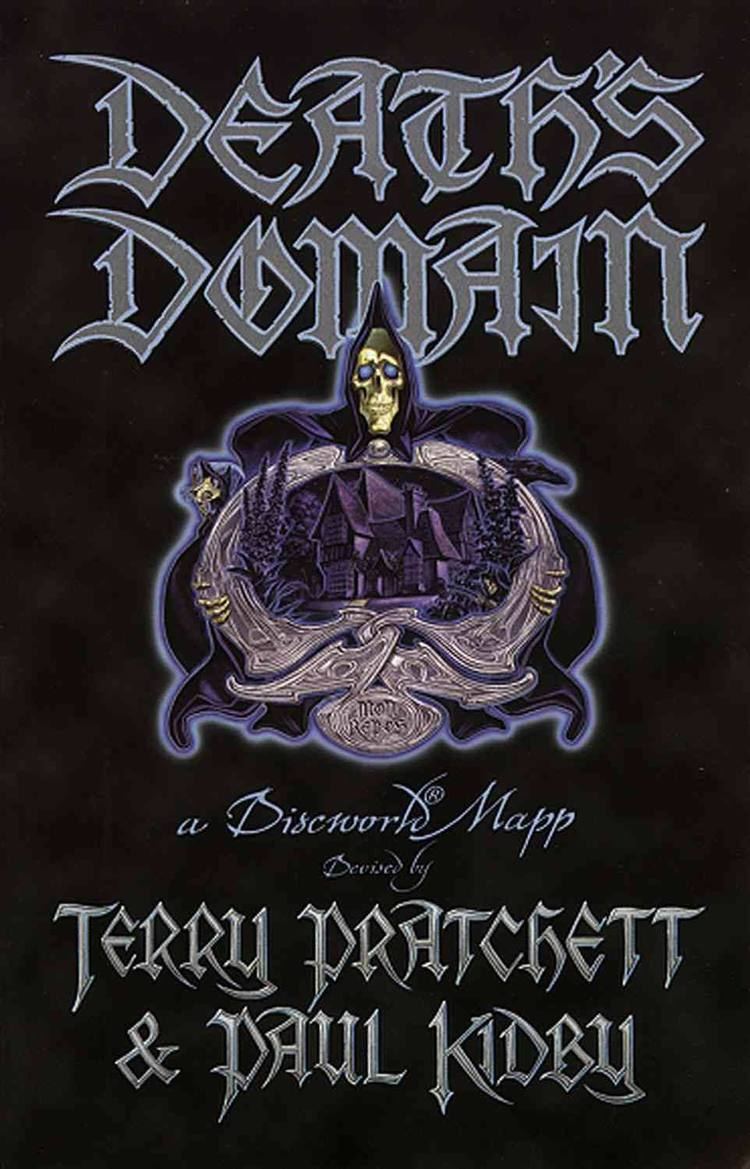
Artistic Interpretations and Visual Style
The visual style of Death’s Domain is a defining feature that sets it apart from more traditional tarot decks. The artwork often blends dark, moody aesthetics with intricate symbolic details, creating a sense of depth and mystery. Many cards feature:
- Gothic and Surreal Imagery: Dark forests, skeletal figures, and eerie landscapes evoke a sense of the uncanny.
- Mythological Figures: Gods, demons, and spirits from various pantheons appear as guides or adversaries.
- Alchemical Symbols: Elements like the Ouroboros, the Phoenix, and the Black Sun are woven into the designs.
- Tarot Archetypes Reimagined: The Major Arcana cards are reinterpreted to fit the underworld theme, such as the High Priestess as a guardian of hidden knowledge or the Tower as a catastrophic yet necessary upheaval.
One of the most striking aspects of this deck is its use of color. Deep blacks, blood reds, and muted purples dominate the palette, creating a sense of solemnity and intensity. However, splashes of gold or silver often highlight key elements, symbolizing enlightenment or divine intervention. This contrast reinforces the deck’s central message: that transformation, though often painful, is also luminous and sacred.
For those who appreciate art, Death’s Domain can be seen as a form of visual storytelling. Each card tells a part of a larger narrative, inviting the viewer to meditate on the interplay between light and shadow, destruction and creation.
Major Arcana: A Journey Through the Underworld
The Major Arcana in Death’s Domain is structured as a journey through the underworld, mirroring the stages of the hero’s quest as outlined in Joseph Campbell’s Hero’s Journey. Here’s a breakdown of how key cards are reimagined:
- The Fool: Often depicted as a traveler stepping off a cliff, symbolizing the leap of faith into the unknown.
- The Magician: A necromancer or alchemist, wielding the tools of transformation.
- The High Priestess: A veiled figure seated between two pillars, guarding the secrets of the underworld.
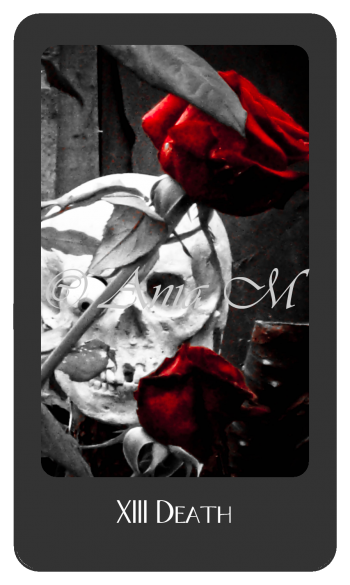
- Death: Not a skeletal reaper, but a skeletal figure in a dynamic pose, representing the inevitability of change.
- The Tower: A crumbling structure struck by lightning, illustrating sudden upheaval and revelation.
- The Star: A figure pouring water under a starry sky, symbolizing hope and renewal after darkness.
- The Moon: A lunar deity overseeing a dreamscape filled with illusions and hidden truths.
- The Sun: A radiant figure rising from the underworld, embodying triumph over adversity.
- The World: A mandala-like design, representing the cyclical nature of existence.
Each card in the Major Arcana serves as a milestone in the reader’s spiritual or emotional journey. The deck encourages users to reflect on their own life paths, asking questions like: Where am I resisting change? What shadows do I need to confront? What wisdom can I gain from my struggles?
Minor Arcana: Daily Life and Practical Insights
While the Major Arcana provides a grand narrative, the Minor Arcana in Death’s Domain grounds the deck in everyday experiences. The four suits—Swords, Cups, Wands, and Pentacles—are reimagined to reflect the themes of transformation and the underworld:
- Swords: Often associated with conflict and intellect, here they may depict battles of the mind, such as internal struggles or difficult decisions.
- Cups: Representing emotions and relationships, these cards might show scenes of heartbreak, healing, or deep emotional connections.
- Wands: Symbolizing creativity and passion, they could illustrate the spark of inspiration or the burnout of overwork.
- Pentacles: Linked to material concerns, these cards might explore themes of loss, financial instability, or the grounding force of nature.
The court cards (Page, Knight, Queen, King) are also reimagined to fit the deck’s aesthetic. For example, the Queen of Cups might be depicted as a sorceress or a psychopomp—a guide between worlds—while the Knight of Swords could be a warrior charging into battle against their own demons.
These cards are particularly useful for readers seeking practical guidance. A spread using the Minor Arcana might focus on navigating a difficult relationship, overcoming a creative block, or managing financial stress, all through the lens of transformation and renewal.
Using Death’s Domain for Divination and Introspection
One of the most powerful aspects of Death’s Domain is its versatility as a tool for divination and self-reflection. Here are some ways to use the deck effectively:
Divination Spreads
While traditional tarot spreads can be adapted for this deck, creating spreads that align with its themes can yield deeper insights. For example:
- The Descent Spread: A five-card spread that maps out the querent’s current state, the challenges they face, the guide or lesson they need, the transformation they’re undergoing, and the outcome of their journey.
- The Shadow Integration Spread: Focuses on confronting and integrating one’s shadow self, using cards to represent the aspects of the self that need acknowledgment or healing.
- The Cycle of Life Spread: Explores the natural cycles of endings and beginnings in the querent’s life, such as career changes, relationships, or personal growth.
Meditation and Journaling
The deck’s rich symbolism makes it an excellent companion for meditation or journaling. Drawing a single card each day and reflecting on its message can provide clarity and inspiration. Questions to consider might include:
- What is this card trying to tell me about my current path?
- Where in my life am I resisting change?
- What wisdom can I gain from the shadows this card represents?
Journaling prompts could involve writing a dialogue with the card’s imagery or exploring how the card’s themes manifest in one’s daily life.
Creative Inspiration
Artists, writers, and musicians can use Death’s Domain as a springboard for creative projects. The deck’s gothic and surreal aesthetic can inspire stories, poems, or visual art centered around themes of transformation, the underworld, or mythological journeys. For example, a writer might use the Tower card as the climax of a story about a character’s breakdown and rebirth.
Comparisons to Other Tarot Decks
Death’s Domain stands out in the tarot community for its unique focus on the underworld and its emphasis on death as a transformative force. However, it shares similarities with other decks that explore dark or esoteric themes:
- The Thoth Tarot: Created by Aleister Crowley and Lady Frieda Harris, this deck delves deeply into occult symbolism and the Qabalah, much like Death’s Domain does with its mythological and alchemical references.
- The Wild Unknown Tarot: While not as explicitly focused on death, this deck shares a love for nature-based symbolism and a minimalist, symbolic aesthetic that resonates with the themes of transformation.
- The Dark Mansion Tarot: This deck embraces a gothic, horror-inspired style that aligns with the dark aesthetic of Death’s Domain, though it leans more toward the macabre than the mythological.
- The Tarot of the Divine: This deck draws from global myths and fairy tales, offering a narrative-driven approach similar to Death’s Domain.
What sets Death’s Domain apart is its cohesive narrative and its focus on the underworld as a space of wisdom and rebirth rather than mere darkness. It’s a deck for those who see life’s challenges as opportunities for growth rather than obstacles to overcome.
Conclusion
The Underworld Tarot – Death’s Domain is more than just a tarot deck; it’s a profound exploration of life’s most challenging and transformative experiences. Through its rich symbolism, gothic aesthetic, and mythological depth, the deck invites users to confront their shadows, embrace change, and find wisdom in the underworld. Whether used for divination, meditation, or creative inspiration, Death’s Domain offers a unique lens through which to view the cycles of life and death.
For those drawn to the darker, more esoteric aspects of tarot, this deck provides a powerful tool for introspection and growth. It reminds us that endings are not to be feared but revered as necessary steps on the path to enlightenment. By engaging with the imagery and themes of Death’s Domain, readers can cultivate a deeper understanding of themselves and the world around them, ultimately transforming their relationship with change and the unknown.
FAQ
What is The Underworld Tarot – Death's Domain?
It’s a themed tarot deck that explores the concept of death as a transformative force, weaving together mythological and psychological themes.
How can I use Death's Domain for divination?
You can use it in various spreads tailored to its themes, such as The Descent Spread or The Shadow Integration Spread.
Leave a Reply