Short Answer
Welcome to your comprehensive guide on “The Well Yes or No – The Answer Is ‘Go Deep’.” In this article, you’ll explore how this playful yet thought-provoking concept works, its potential challenges, and practical ways to engage with it. Whether you’re using it for personal reflection, group discussions, or creative exercises, this guide will provide you with the tools to make the most of this intriguing approach.
Understanding the Basics of “The Well Yes or No”
“The Well Yes or No” is a conversational tool designed to encourage deeper thinking by posing simple yes-or-no questions that often lead to unexpected or nuanced answers. The phrase “Go Deep” acts as a prompt to explore beyond surface-level responses, pushing individuals to reflect on their initial reactions and uncover underlying thoughts or emotions. This method is particularly useful in settings where quick, instinctive answers are the norm, such as casual conversations, team meetings, or even social media interactions.
The core idea is to transform a straightforward question into an opportunity for meaningful dialogue. For example, a question like “Do you enjoy your job?” might elicit a simple “yes” or “no,” but adding “Go Deep” invites the responder to elaborate on why they feel that way, what aspects they appreciate or dislike, and how it impacts their overall well-being. This approach fosters a culture of curiosity and introspection, making it a valuable tool in both personal and professional contexts.
The Role of Playfulness in the Questioning Process
Playfulness is a key component of “The Well Yes or No – The Answer Is ‘Go Deep’.” By framing questions in a lighthearted or unexpected way, the method reduces the pressure often associated with deep or introspective discussions. This playful tone makes it easier for individuals to engage without feeling like they’re being put on the spot or judged for their responses.
For instance, a question like “Are you secretly a superhero?” might seem silly at first, but when followed by “Go Deep,” it opens the door to exploring personal strengths, hidden talents, or aspirations. The juxtaposition of a whimsical question with a serious prompt creates a balance between fun and depth, making the conversation more enjoyable while still encouraging meaningful reflection. This balance is especially effective in group settings, where it can help break the ice and foster a sense of camaraderie.

Introducing the Potential Challenge: Why “Go Deep” Can Be Tricky
While “The Well Yes or No – The Answer Is ‘Go Deep'” is a powerful tool, it’s not without its challenges. The primary difficulty lies in the responder’s willingness to engage with the prompt. Some individuals may feel uncomfortable delving into their thoughts or emotions, especially if the question touches on sensitive topics. Others might struggle with the open-ended nature of the prompt, unsure of how to articulate their feelings beyond a simple yes or no.
Another challenge is the risk of misinterpretation. Without clear guidance, responders might not understand the intent behind “Go Deep” and could either dismiss it as irrelevant or overthink their response. To mitigate these challenges, it’s important to set the tone early by explaining the purpose of the exercise and providing examples of how to approach the prompt. Encouraging a non-judgmental environment where all responses are valued can also help participants feel more comfortable sharing their thoughts.
Practical Applications: How to Use This Method Effectively
This method can be adapted to a variety of settings, from casual conversations to structured workshops. Here are a few practical ways to incorporate “The Well Yes or No – The Answer Is ‘Go Deep'” into your interactions:
- Personal Reflection: Use the method for self-exploration by asking yourself thought-provoking questions and journaling your responses. For example, “Do you feel fulfilled in your current role? Go Deep.”
- Group Discussions: Introduce the method in team meetings or brainstorming sessions to encourage deeper collaboration. Pose a question like “Is our project on track? Go Deep,” and facilitate a discussion around the responses.
- Social Media Engagement: Share the concept on platforms like Reddit or Instagram to spark conversations. Post a playful question like “Would you rather have unlimited pizza for life or unlimited tacos? Go Deep,” and encourage followers to share their reasoning.
- Icebreaker Activities: Use the method as an icebreaker in workshops or social gatherings. Ask participants to pair up and take turns answering a “Well Yes or No” question followed by “Go Deep.” This can help break the ice and set a tone of openness and curiosity.
Tips for Facilitating a Successful “Go Deep” Session
To ensure a productive and engaging experience with “The Well Yes or No – The Answer Is ‘Go Deep’,” consider the following tips:
- Set Clear Intentions: Before starting, explain the purpose of the exercise and how you hope participants will engage with the prompts. This helps set expectations and reduces any confusion or resistance.
- Choose Thoughtful Questions: The questions you pose should be open-ended enough to invite deeper reflection but not so vague that they become confusing. For example, “Do you feel like you’re making progress toward your goals? Go Deep.”
- Create a Safe Space: Encourage participants to share without fear of judgment. Emphasize that there are no right or wrong answers, and all perspectives are valuable.
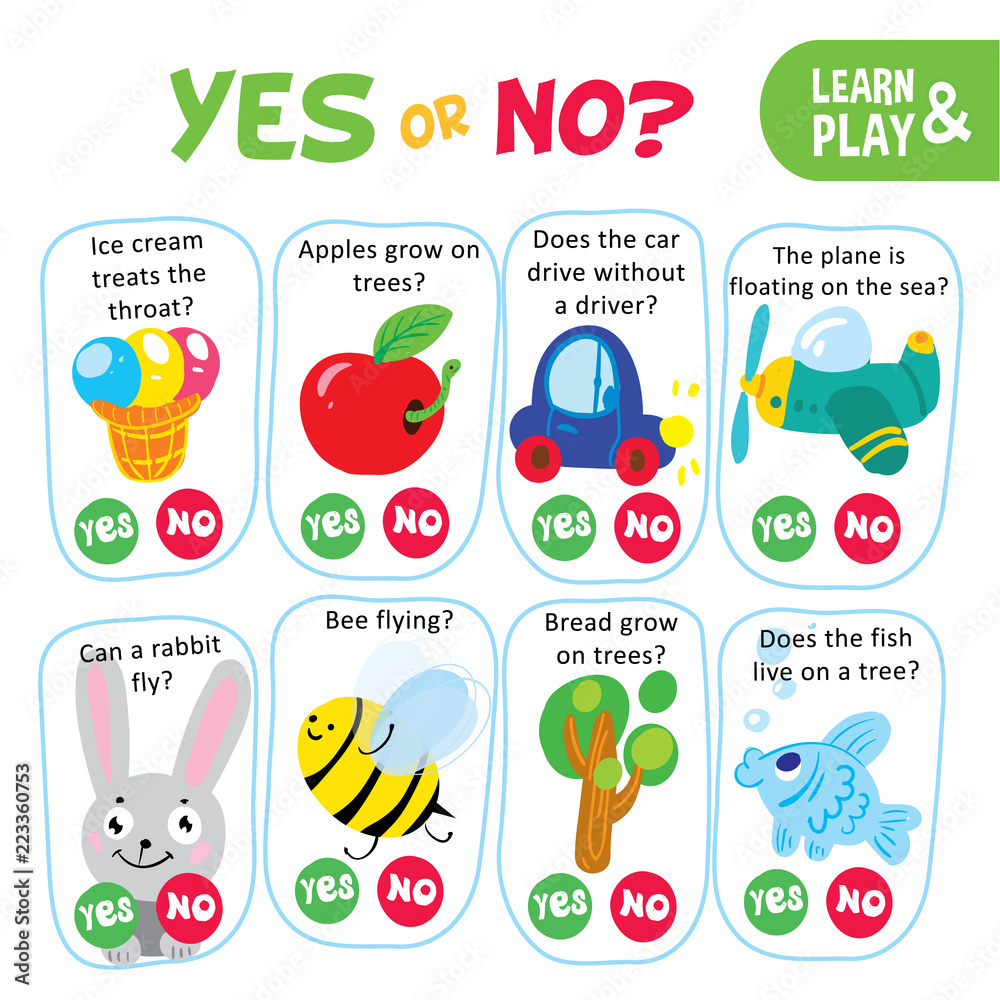
- Use Visual Aids: Incorporate images, cards, or other visual tools to make the questions more engaging. For example, a deck of cards with thought-provoking prompts can add a fun, interactive element to the exercise.
- Facilitate, Don’t Dominate: As the facilitator, your role is to guide the conversation, not control it. Allow participants to explore their thoughts and share at their own pace.
Common Pitfalls to Avoid
While “The Well Yes or No – The Answer Is ‘Go Deep'” is a versatile tool, there are a few common pitfalls to be aware of:
- Overloading Participants: Avoid asking too many deep questions in a short period. This can overwhelm participants and make the exercise feel like a chore rather than an opportunity for reflection.
- Ignoring Non-Verbal Cues: Pay attention to body language and other non-verbal cues. If a participant seems uncomfortable or disengaged, it may be a sign to switch topics or give them space.
- Forcing Participation: Not everyone will feel comfortable sharing their thoughts, and that’s okay. Respect boundaries and avoid pressuring individuals to participate.
- Lack of Follow-Up: After posing a “Go Deep” question, make sure to follow up with participants to show that their responses are valued. This could be as simple as acknowledging their input or asking a follow-up question.
Conclusion
“The Well Yes or No – The Answer Is ‘Go Deep'” is more than just a conversational tool; it’s an invitation to explore the layers beneath our initial responses. By combining playfulness with depth, this method encourages meaningful reflection, fosters open dialogue, and creates opportunities for personal and collective growth. Whether you’re using it in a professional setting, a social gathering, or for personal introspection, the key is to approach the exercise with curiosity and an open mind.
As you incorporate this method into your interactions, remember that the goal isn’t to find definitive answers but to engage in the process of questioning and exploration. Embrace the unexpected, respect the boundaries of others, and enjoy the journey of going deeper. With practice, “The Well Yes or No – The Answer Is ‘Go Deep'” can become a valuable tool for transforming ordinary conversations into rich, thought-provoking experiences.
FAQ
What is "The Well Yes or No – The Answer Is 'Go Deep'?"
“The Well Yes or No – The Answer Is ‘Go Deep'” is a conversational tool designed to encourage deeper reflection beyond simple yes or no answers by prompting individuals to explore their thoughts and feelings in more detail.
How can I use this method effectively in group settings?
Use playful questions followed by the prompt ‘Go Deep’ to encourage participants to share more meaningful responses. Create a safe, non-judgmental space and facilitate rather than dominate the discussion.
What challenges might arise when using this method?
Challenges include participants feeling uncomfortable with deep reflection, misunderstanding the prompt, or feeling pressured to respond. Setting clear intentions and encouraging a safe environment helps mitigate these issues.
Can this method be applied to personal reflection?
Yes, it can be used for self-exploration by journaling answers to yes-or-no questions followed by ‘Go Deep’ to uncover deeper insights about oneself.
Is playfulness important in this approach?
Yes, playfulness reduces pressure and makes the process more engaging, helping participants feel comfortable while still encouraging meaningful dialogue.
Leave a Reply