Short Answer
In this comprehensive guide, you’ll explore the profound symbolism, historical roots, and modern interpretations of The Wheel Tarot card—commonly known as the Wheel of Fortune. Whether you’re a seasoned tarot reader or a curious beginner, you’ll uncover the deeper meanings behind this powerful archetype, its role in readings, and why it continues to captivate people across cultures and centuries. By the end, you’ll understand how this card reflects life’s cyclical nature, the inevitability of change, and the hidden forces that shape our destinies.
The Wheel of Fortune: A Symbol of Life’s Cycles
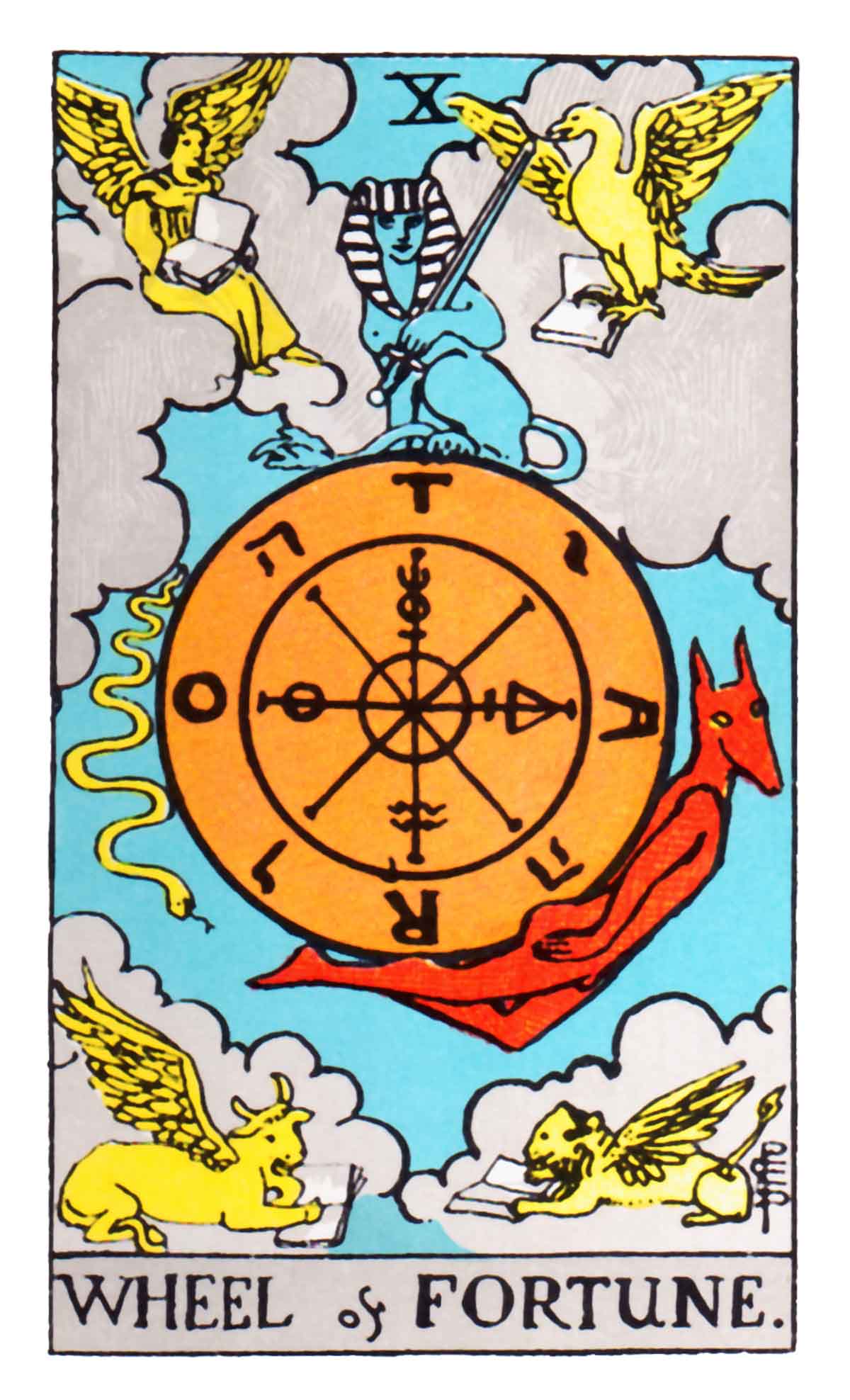
The Wheel of Fortune is one of the most visually striking cards in the Major Arcana, often depicted as a large, ornate wheel in motion, adorned with mystical symbols and figures. At its core, this card represents the ever-turning cycles of life—birth, growth, decline, and rebirth. Unlike linear progress, the Wheel emphasizes that life moves in spirals, where experiences repeat in new forms, offering opportunities for growth with each rotation.
In many traditional decks, the Wheel is flanked by two figures: one ascending and one descending. This imagery underscores the card’s message that fortune is fleeting. What goes up must come down, and what falls may rise again. This duality isn’t meant to discourage but to remind us that change is the only constant. The Wheel teaches resilience, adaptability, and trust in the natural order of existence.
Consider the Wheel as a cosmic reminder that luck, fate, and personal effort are all interconnected. While external circumstances may seem random, the Wheel suggests that underlying patterns govern our lives. Recognizing these patterns allows us to navigate challenges with greater awareness and intention.
Historical and Mythological Roots of the Wheel
The concept of the Wheel of Fortune has ancient origins, tracing back to classical mythology and medieval philosophy. In Roman mythology, Fortuna was the goddess of luck, depicted holding a wheel that turned at random, distributing good and bad fortune to mortals. This imagery was later adopted by medieval Christian scholars, who personified Fortuna as a symbol of the unpredictability of earthly life compared to the divine order of heaven.
In tarot, the Wheel of Fortune card emerged during the Renaissance, a period fascinated with symbolism, astrology, and the interplay between fate and free will. The card’s design often incorporates alchemical symbols, zodiac signs, and Hebrew letters, reflecting the esoteric knowledge of the time. For instance, the four Hebrew letters on the Wheel—YHVH (Yahweh)—represent the divine name, suggesting that even in chaos, there is a higher order at work.
Alchemists and mystics saw the Wheel as a metaphor for transformation. Just as base metals could be transmuted into gold, human souls could evolve through trials and tribulations. This alchemical perspective adds a layer of depth to the Wheel, framing it not just as a symbol of luck but as a tool for spiritual alchemy—turning adversity into wisdom.
Interpreting the Wheel of Fortune in Tarot Readings
When The Wheel of Fortune appears in a tarot spread, its meaning depends heavily on its position and the surrounding cards. As a standalone card, it signals a turning point, a moment where fate intervenes or a significant shift occurs. This could manifest as a sudden opportunity, an unexpected challenge, or a realization that propels you forward. The key is to remain open and adaptable, as the Wheel’s energy is dynamic and unpredictable.
In a past position, the Wheel may indicate that recent events were influenced by larger forces beyond your control. It’s a reminder that even when we feel in charge, life has a way of steering us in new directions. For the present, the card suggests you’re in a phase of transition—perhaps a career change, a relationship dynamic shifting, or a personal revelation. The Wheel encourages you to embrace the uncertainty rather than resist it.
When the Wheel appears in the future position, it often heralds a period of transformation. This could be a literal change, like moving to a new city, or a metaphorical one, such as a shift in perspective. The Wheel advises preparation: while you can’t control every outcome, you can cultivate resilience and trust in the process. It’s also a sign to release rigid expectations and allow life to unfold naturally.
In relationships, the Wheel can indicate cycles of connection and separation. It might suggest that a partnership is evolving, or that past patterns are resurfacing to be addressed. Financially, the card warns against complacency, urging you to diversify or reassess your strategies. Spiritually, the Wheel is a call to surrender to the unknown, trusting that each turn brings you closer to your highest good.
Common Misconceptions and Deeper Truths
A frequent observation about the Wheel of Fortune is that it feels like a “cop-out” card—one that explains everything but offers little concrete guidance. Critics argue that its vague symbolism can be used to justify any outcome, making it seem like a catch-all for life’s mysteries. However, this perspective overlooks the card’s true power: its ability to reframe challenges as part of a larger, meaningful narrative.
The deeper truth of the Wheel is that it doesn’t promise easy answers but invites you to find meaning in the journey. Instead of asking, “Why is this happening to me?” the Wheel encourages, “What can I learn from this turn of the wheel?” This shift in perspective transforms setbacks into stepping stones and random events into part of a grand design. The Wheel reminds us that even in chaos, there is purpose.
Another misconception is that the Wheel is purely about luck or chance. While it does symbolize unpredictability, it also highlights the role of synchronicity—the meaningful coincidences that guide us. The Wheel suggests that what appears random may actually be divinely orchestrated, aligning with Carl Jung’s concept of synchronicity. This perspective fosters a sense of trust in the universe’s timing, even when outcomes are unclear.
Practical Ways to Work with the Wheel’s Energy
To harness the Wheel’s transformative power in your life, start by cultivating awareness of life’s cycles. Keep a journal to track patterns in your experiences—recurring themes, challenges, or breakthroughs. Over time, you may notice that what seemed random follows a rhythm, offering clues about your personal growth trajectory.
Meditation is another powerful tool. Visualize yourself standing before the Wheel, observing its movement without judgment. Ask yourself: Where am I on the Wheel right now? Are you ascending, descending, or stuck at the bottom? This practice can reveal subconscious beliefs about luck, control, and destiny, allowing you to release what no longer serves you.
In decision-making, the Wheel advises flexibility. If you’re facing a crossroads, consider whether your hesitation stems from fear of change or a genuine need to pause. The Wheel doesn’t demand reckless action but encourages you to trust your intuition when the time is right. Sometimes, the best course is to surrender to the flow, knowing that each turn brings new possibilities.
Finally, embrace the Wheel’s lesson of impermanence. Decorate your space with images of the card, or place a small wheel on your desk as a reminder that change is inevitable. When faced with uncertainty, repeat an affirmation like, “I trust the journey of the Wheel, knowing each turn brings me closer to my truth.”
Conclusion
The Wheel of Fortune is far more than a symbol of luck—it’s a profound archetype that mirrors the human experience in all its unpredictability and beauty. By understanding its historical roots, interpreting its messages in readings, and working with its energy in daily life, you can transform the Wheel from a source of anxiety into a guide for growth. It teaches that life’s ups and downs aren’t random but part of a sacred cycle, designed to shape you into your highest self.
Next time the Wheel appears in your life or your readings, pause and reflect: What is this turn of the wheel asking me to learn? How can I ride its momentum with grace and courage? The answer lies not in controlling the Wheel but in aligning with its rhythm, trusting that every rotation brings you closer to wisdom, resilience, and ultimately, your destiny.
FAQ
What does the Wheel of Fortune tarot card symbolize?
The Wheel of Fortune symbolizes the cyclical nature of life, representing change, fate, and the interconnectedness of experiences.
How should one interpret the Wheel of Fortune in a tarot reading?
Interpretation depends on its position in the spread, indicating turning points, significant shifts, or the influence of larger forces in one’s life.
Leave a Reply