Short Answer
This guide explores the fascinating interplay between wood and language, revealing how the natural material and the concept of words intertwine to create a rich tapestry of meaning, artistry, and cultural significance. You’ll discover the symbolic power of wood as a medium for expression, the craftsmanship behind wooden word art, and the philosophical depth that emerges when the organic meets the linguistic. By the end, you’ll see how these elements come together to form a unique aesthetic and conceptual appeal that resonates across art, design, and everyday life.
The Symbolism of Wood and Language
Wood has long been a symbol of strength, resilience, and natural beauty. Its grain patterns tell stories of growth and time, while its texture evokes a sense of warmth and authenticity. When paired with language, wood transforms into a canvas for conveying messages, emotions, and ideas. The juxtaposition of the organic and the intellectual creates a powerful metaphor: just as wood grows and changes with the seasons, words can evolve, adapt, and take root in the minds of those who encounter them.
In many cultures, wood is associated with wisdom and tradition. Ancient manuscripts were often carved into wooden tablets, preserving knowledge for future generations. Today, wooden word art continues this legacy, blending the tactile nature of wood with the permanence of language. Whether it’s a simple phrase etched into a plank or an intricate design spelling out a poem, the combination speaks to a deeper connection between humanity and the natural world.
The Artistry of Wooden Word Art
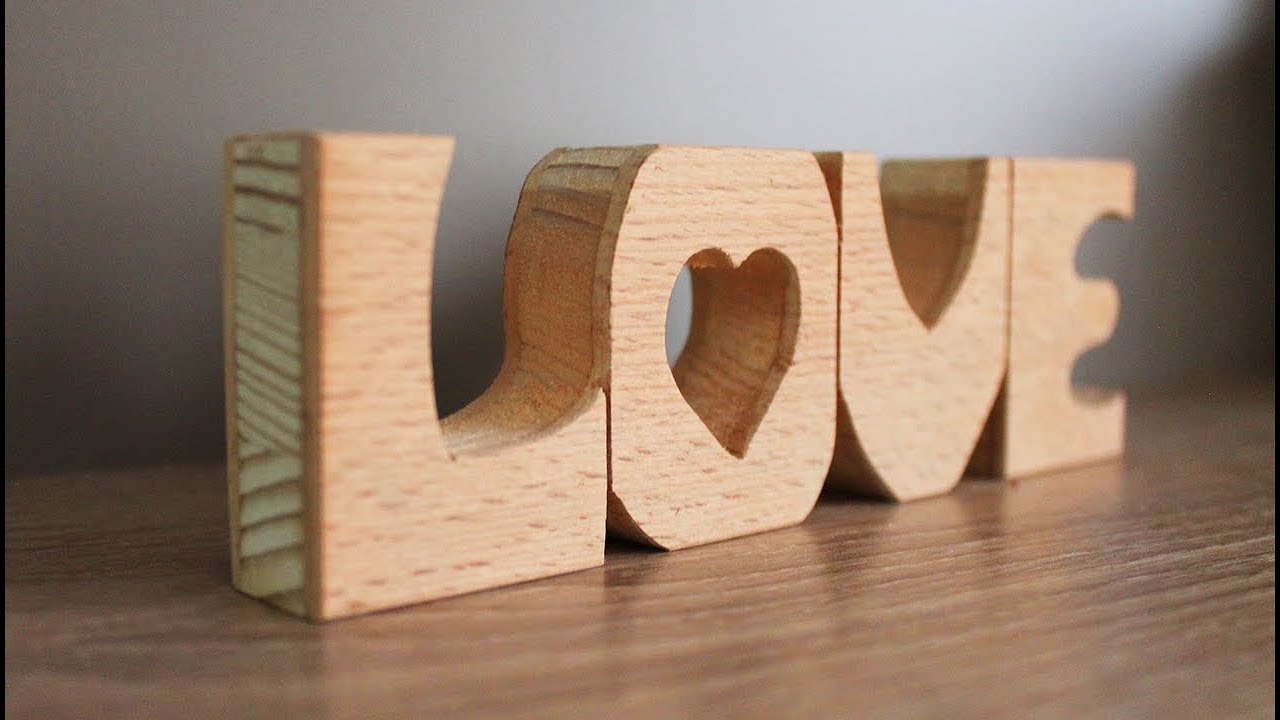
Creating wooden word art is a meticulous process that marries craftsmanship with creativity. Artists select the right type of wood—whether it’s reclaimed barn wood, rich mahogany, or rustic pine—to complement the message they wish to convey. The grain of the wood becomes an integral part of the design, with natural imperfections adding character and depth. Techniques such as pyrography (wood burning), laser engraving, or hand-carving are used to inscribe words, quotes, or even entire poems onto the surface.
One of the most striking aspects of wooden word art is its ability to evoke emotion through both visual and textual elements. A single word, like “hope” or “resilience,” can take on new meaning when presented in a medium as grounding as wood. The contrast between the rough, organic texture of the material and the smooth, precise lines of the text creates a visual tension that draws the viewer in. This duality makes wooden word art a versatile choice for home decor, gifts, and personal keepsakes.
The Cultural and Historical Significance
Wooden word art is not just a modern trend; it has roots in ancient traditions. In medieval Europe, wooden signs were used to mark guilds, taverns, and shops, often adorned with carved words or symbols. Similarly, in Asian cultures, wooden plaques bearing calligraphy or poetic verses were hung in homes and temples as a way to invite blessings or wisdom. These historical examples highlight how wood and language have always been intertwined in human expression.
Today, wooden word art continues to thrive as a form of personal and artistic expression. It can be found in homes as motivational wall hangings, in offices as corporate slogans, or even as custom gifts for weddings and anniversaries. The enduring appeal of this art form lies in its ability to make language tangible—literally grounding abstract ideas in a physical, enduring medium. It’s a reminder that words are not just sounds or symbols on a page; they are part of our shared human experience, rooted in the earth itself.
The Unique Appeal of Wooden Word Art
What sets wooden word art apart from other forms of textual art is its tactile quality. Unlike digital or printed designs, wooden word art invites interaction. The viewer can run their fingers over the carved letters, feeling the texture of the wood and the depth of the engraving. This sensory experience enhances the emotional impact of the words, making them feel more personal and meaningful.
Additionally, wooden word art offers a sense of permanence and authenticity. In a world dominated by fleeting digital content, a wooden piece stands as a lasting testament to the words it bears. Whether it’s a family motto, a favorite quote, or a simple reminder of love, the art becomes a heirloom, passed down through generations. The natural aging of the wood—its gradual darkening or weathering—adds to its charm, telling a story of time and use.
Choosing the Right Wooden Word Art for Your Space
When selecting wooden word art, consider the context in which it will be displayed. For a rustic or farmhouse-style interior, reclaimed wood with a weathered finish and hand-carved text can enhance the cozy, lived-in aesthetic. In a modern or minimalist space, sleek laser-engraved designs on light-colored woods like birch or maple can provide a clean, contemporary look.
The choice of words is equally important. A short, impactful phrase works well for small pieces, while longer quotes or poems may require a larger canvas. Think about the message you want to convey—whether it’s inspiration, humor, or a personal mantra—and select a font and style that complements it. For example, a bold, sans-serif font might suit a motivational piece, while a delicate script could be perfect for a romantic or poetic quote.
Don’t overlook the importance of mounting and display. A floating shelf can showcase a wooden word art piece as a standalone statement, while a gallery wall can incorporate multiple pieces for a cohesive look. Consider the lighting as well; natural light can highlight the wood’s grain, while warm artificial lighting can create a cozy ambiance around the art.
DIY Wooden Word Art: A Creative Endeavor
For those who enjoy hands-on projects, creating your own wooden word art can be a rewarding experience. Start with a piece of wood—plywood, pine, or even a salvaged door—sand it smooth, and choose a design. You can use stencils for precise lettering or freehand your design for a more organic feel. Tools like wood-burning pens, routers, or even a simple hammer and nails can be used to etch the words into the surface.
Once the text is added, you can finish the piece with stains, paints, or oils to enhance the wood’s natural color and protect it from wear. Adding a clear varnish will ensure the art lasts for years to come. This DIY approach not only allows for customization but also fosters a deeper connection to the piece, as you infuse it with your own time, effort, and creativity.

Conclusion
The fusion of wood and language is more than just an artistic choice—it’s a celebration of the tangible and the intangible, the natural and the crafted, the timeless and the contemporary. Wooden word art bridges the gap between the physical and the abstract, grounding words in a medium that is as enduring as the ideas they represent. Whether you’re drawn to its symbolic depth, its artistic versatility, or its ability to evoke emotion, this unique form of expression offers something for everyone.
As you explore the world of wooden word art, consider how it can enrich your space and your life. Whether as a statement piece in your home, a heartfelt gift, or a personal project, the combination of wood and words has the power to inspire, comfort, and connect. Embrace the beauty of this timeless pairing, and let the art of language and the craft of wood speak to you in ways that resonate deeply.
FAQ
What is wooden word art?
Wooden word art is a form of artistic expression that combines wood craftsmanship and language to create visually appealing pieces.
How can I create my own wooden word art?
You can create wooden word art by selecting a piece of wood, designing your text, and using techniques like wood burning or engraving.
Leave a Reply