Short Answer
Welcome to an exploration of Three of Air – Three of Swords’ Twin, a metaphorical and visually striking concept that bridges duality, conflict, and harmony. This guide will dissect its symbolic layers, cultural resonances, and artistic interpretations. Whether you’re drawn to its philosophical depth or its aesthetic allure, you’ll uncover why this motif captivates minds across art, literature, and gaming. Prepare to delve into a world where swords clash not in battle, but in dialogue.
The Duality of the Twin Swords
The image of twin swords is a powerful metaphor for balance and opposition. Unlike a single blade, which embodies singular purpose, twin swords represent duality—two forces in tension, yet inseparable. This duality can symbolize the human psyche: logic and emotion, duty and desire, or even the struggle between past and future. In many cultures, duality is not just a conflict but a necessity for equilibrium. The twin swords, therefore, become a visual shorthand for the idea that harmony often arises from the interplay of opposites.
In the context of the Three of Swords tarot card, which traditionally depicts heartbreak and betrayal, the “Twin” adds a layer of complexity. While the original card focuses on pain, its counterpart suggests a path to reconciliation or understanding. The twin swords might represent the two sides of a broken relationship—each party wielding their own truth, their own pain. The metaphor extends beyond personal conflict, touching on societal divides, ideological clashes, or even the tension between tradition and innovation.
Artistic Interpretations: From DeviantArt to Gaming
The twin swords motif has been immortalized in various artistic mediums, each offering a unique lens through which to view its symbolism. One striking example is the illustration by Kyzarius on DeviantArt, where the swords are not merely weapons but extensions of the characters wielding them. The artwork often emphasizes the emotional weight of the blades, with intricate designs that suggest a story beyond the surface. The swords may be ornate, rusted, or glowing, each detail hinting at the narrative they carry.
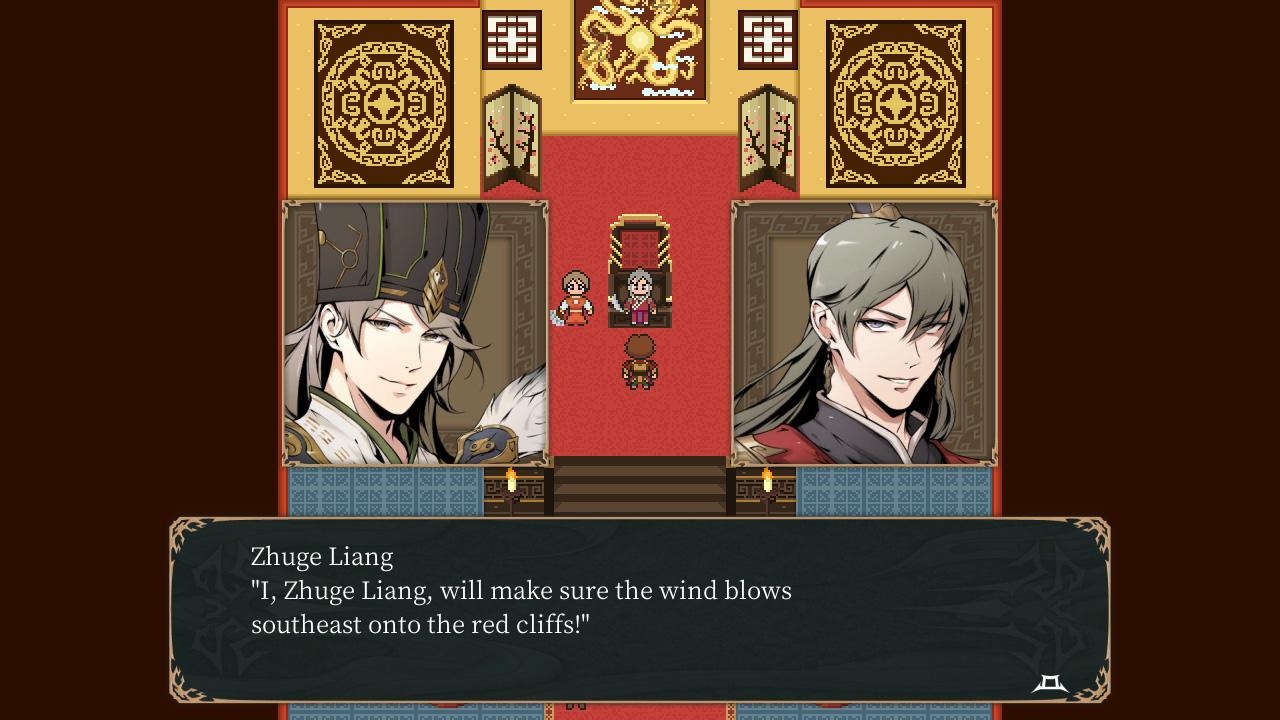
In gaming, the twin swords trope is a staple, often representing a character’s dual nature or their journey toward mastery. For instance, the game Twin Blades of the Three Kingdoms (available on Switch) features protagonists who wield twin blades as a symbol of their unity and shared destiny. The swords in this context are not just tools of combat but emblems of a bond that transcends individuality. The game’s visuals, including screenshots of the characters in action, highlight the dynamic interplay between the two blades, reinforcing the theme of partnership and synergy.
The Language of the Swords: Metaphor and Meaning
The twin swords are a language unto themselves, communicating ideas that words often cannot. In literature, they might represent a character’s internal struggle or a pivotal moment of choice. For example, a protagonist might wield twin swords to signify their divided loyalties—one blade for duty, the other for love. The swords become a physical manifestation of their conflict, making the abstract tangible.
In poetry and music, the twin swords can symbolize the duality of human experience. A song titled “Three of Swords” might explore themes of heartbreak and healing, with the twin swords serving as a recurring motif. The imagery of two blades crossing or clashing can evoke the push-and-pull of emotions, the back-and-forth of a relationship, or the cyclical nature of pain and recovery. The metaphor is flexible, adapting to the context in which it is used.
Even in everyday language, the twin swords metaphor appears. Phrases like “walking the razor’s edge” or “sitting on the fence” echo the idea of balance between two opposing forces. The twin swords, in this sense, are a universal symbol, transcending cultural and linguistic boundaries.
Cultural and Historical Context
The concept of twin swords is not confined to modern interpretations; it has roots in ancient mythology and folklore. In many traditions, twin blades are associated with divine twins or heroic figures who embody duality. For example, in Greek mythology, the Dioscuri—Castor and Pollux—are often depicted with symbols of duality, including twin swords or spears. Their story is one of brotherhood and contrast, mirroring the twin swords’ theme of unity in opposition.
In Eastern traditions, the twin swords can represent the balance of yin and yang. The swords themselves may be depicted as complementary forces—one light, one dark; one sharp, one blunt—each necessary for the whole. This duality is not about conflict but about harmony, a concept that aligns with the idea of the Three of Swords’ Twin as a path to reconciliation.
Historically, twin swords have also been used in ceremonial contexts. In some cultures, twin blades were wielded in rituals to symbolize the union of two families, clans, or nations. The swords were not meant for battle but for the act of joining hands, literally and metaphorically. This historical context adds a layer of solemnity to the twin swords motif, elevating it beyond mere symbolism into a ritual of connection.
The Visual Language: Color, Design, and Composition
The appeal of the twin swords lies not only in their metaphorical weight but also in their visual impact. The design of the swords can convey a range of emotions and themes. A pair of gleaming, identical blades might symbolize purity and unity, while a set of mismatched swords—one rusted, one polished—could represent the passage of time or the scars of experience.
Color plays a crucial role in the visual language of twin swords. In the Tumblr artwork titled “it’s pronounced hey-hey — Three of Swords”, the swords are bathed in contrasting hues, one warm and the other cool. This color choice emphasizes the duality of the blades, suggesting that they are not just physical objects but representations of opposing forces. The composition of the artwork further reinforces this idea, with the swords crossing or pointing in different directions, creating a sense of tension and balance.
In gaming and film, the twin swords are often designed to be visually distinct yet harmonious. The player or viewer is meant to recognize that the swords belong together, even if they serve different purposes. This visual unity underscores the theme of partnership and shared destiny, whether in a narrative or a gameplay mechanic.
Conclusion
The twin swords of the Three of Air – Three of Swords’ Twin are more than a visual motif; they are a profound symbol of duality, balance, and reconciliation. From the emotional weight of a tarot card to the dynamic interplay of characters in a game, the twin swords resonate across mediums and cultures. They challenge us to see conflict not as a destructive force but as an opportunity for growth and understanding. Whether wielded in battle, art, or metaphor, these blades remind us that harmony often lies in the space between opposites.
As you encounter the twin swords in your own life—whether in a piece of art, a story, or a personal struggle—consider what dualities they represent for you. Are they a reminder of the tensions you navigate daily, or do they offer a path to reconciliation? The twin swords are a mirror, reflecting the complexities of the human experience back at us, blade by blade.
FAQ
What does the Three of Swords represent?
The Three of Swords traditionally symbolizes heartbreak and betrayal, but its twin aspect introduces themes of reconciliation and understanding.
How are twin swords interpreted in art?
In art, twin swords often symbolize duality and balance, with each sword representing different aspects of a narrative or character.



Leave a Reply