Short Answer
In this guide, you’ll explore the profound metaphor of the Three of Swords in the context of money, revealing how financial heartbreak mirrors emotional pain. You’ll uncover the symbolic layers of betrayal, loss, and recovery tied to wealth, and learn how to navigate these turbulent waters with wisdom and resilience. By the end, you’ll see money not just as a transactional tool, but as a mirror reflecting deeper truths about trust, resilience, and personal growth.
The Three of Swords: A Metaphor for Financial Heartbreak
The Three of Swords is a tarot card that depicts a heart pierced by three swords, often set against a stormy sky. Traditionally, it symbolizes emotional pain, betrayal, and sorrow. When applied to money, this imagery transforms into a powerful metaphor for financial heartbreak—those moments when trust in wealth, investments, or financial partnerships shatters like glass. Imagine a business deal gone wrong, a fraudulent investment, or a sudden loss of income. The pain feels visceral, as if your financial well-being has been stabbed through the core. This card reminds us that money isn’t just about numbers; it’s about the stories we tell ourselves and the vulnerabilities we expose when we place our faith in it.
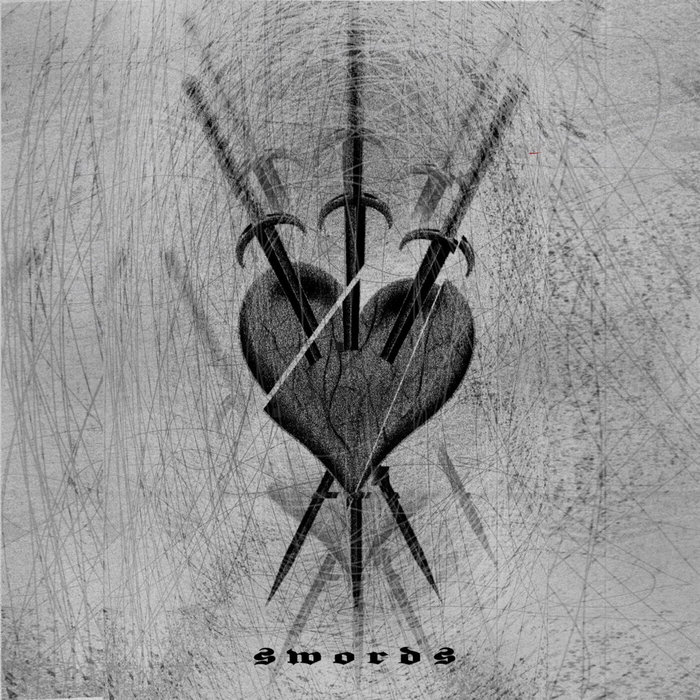
The card’s stormy backdrop isn’t just aesthetic—it’s a warning. Financial heartbreak often arrives unannounced, like a storm rolling in. The swords themselves represent the sharp, cutting blows of reality: failed ventures, unexpected expenses, or the collapse of financial security. Yet, this pain isn’t without purpose. It’s a catalyst for reevaluation, pushing us to question our financial choices and rebuild with greater discernment.
When Money Betrays You: The Three of Swords in Real Life
Financial heartbreak isn’t reserved for the ultra-wealthy or the reckless. It can strike anyone, from the freelancer who loses a steady client to the investor who falls for a too-good-to-be-true scheme. The Three of Swords teaches that betrayal in money isn’t just about loss—it’s about the erosion of trust. Perhaps you lent money to a friend who never repaid it, or you trusted a financial advisor who mismanaged your funds. The pain lingers because it’s tied to human connection, not just dollars and cents.
Consider the story of someone who poured their savings into a startup, only to watch it crumble due to poor management. The financial loss is compounded by the emotional toll—the shattered dreams, the doubt, the feeling of being fooled. This is the Three of Swords in action: a reminder that money is deeply personal. It’s not just a resource; it’s a reflection of our hopes, fears, and relationships. When it fails us, the wound cuts deep.
The Language of Loss: How We Talk About Financial Heartbreak
Our vocabulary around money often mirrors the language of emotional pain. We say we’re “broken” after a market crash, “stabbed in the back” by a bad investment, or “drowning in debt.” These phrases aren’t accidental—they’re rooted in the same neural pathways that process physical and emotional agony. The Three of Swords validates this connection, framing financial loss as a form of heartbreak that demands healing.
For example, someone might describe a failed business as “my heart on the floor,” or a scammed investment as “a knife twisting in my wallet.” This isn’t hyperbole; it’s the subconscious mind’s way of processing trauma. By acknowledging this overlap, we can approach financial recovery with the same care we’d give to emotional wounds—through patience, self-compassion, and gradual rebuilding.

The card’s imagery—blood, clouds, and a wounded heart—further emphasizes this fusion of financial and emotional pain. Blood symbolizes the life force drained by loss, while the stormy sky represents the chaos that follows. Yet, even in this turmoil, there’s a lesson: just as the storm eventually passes, so too can financial heartbreak lead to clarity and renewal.
Rebuilding After the Storm: Turning Pain into Power
The Three of Swords isn’t just a card of despair; it’s a call to action. Financial heartbreak, while painful, can be a turning point. The key lies in reframing the experience—not as a failure, but as a lesson. Ask yourself: What did this loss teach me about risk, trust, or my own financial habits? Did it reveal blind spots in my spending, saving, or investing strategies? The answers may be uncomfortable, but they’re invaluable.
Consider the practice of “financial journaling,” where you document not just transactions, but the emotions tied to them. Did a purchase bring joy or regret? Did an investment fill you with excitement or dread? This practice turns money into a mirror, helping you align your financial choices with your deeper values. The Three of Swords encourages this introspection—it’s the first step toward rebuilding with intention.
Another strategy is to diversify not just your portfolio, but your sources of financial security. Relying on a single income stream, investment, or financial partner is like putting all your faith in one sword. Spread your risks, just as you’d spread your emotional investments. This might mean exploring side hustles, building an emergency fund, or educating yourself about alternative assets. The goal isn’t to avoid pain entirely, but to minimize its impact when it strikes.
The Silver Lining: How Financial Heartbreak Can Lead to Growth
History is filled with stories of financial ruin that led to reinvention. J.K. Rowling was a single mother on welfare before Harry Potter made her a billionaire. Steve Jobs was ousted from Apple before returning to lead it to unprecedented success. These examples aren’t about luck; they’re about resilience. The Three of Swords reminds us that financial heartbreak can be a crucible—an intense, transformative experience that forges strength and clarity.
On a personal level, this might look like downsizing to simplify your life, pursuing a passion project that aligns with your values, or even embracing a minimalist lifestyle to break free from consumerist pressures. Financial heartbreak can strip away the noise, leaving only what truly matters. It’s a painful process, but one that often leads to greater fulfillment than the original path.
Moreover, the Three of Swords teaches empathy. When you’ve experienced financial loss, you’re better equipped to understand others in similar situations. This empathy can translate into wiser financial decisions, like setting boundaries with loans or avoiding predatory financial products. It can also inspire generosity—perhaps you’ll choose to support others going through their own financial storms, knowing firsthand how isolating they can feel.
Conclusion
The Three of Swords in the context of money is a stark reminder that financial loss isn’t just about numbers—it’s about the human experience. It’s the sting of betrayal, the weight of shattered trust, and the slow climb back to stability. Yet, within this pain lies the potential for profound growth. By reframing financial heartbreak as a teacher rather than a tormentor, you can transform loss into wisdom, despair into determination, and vulnerability into strength.
Remember: the swords that pierce your heart today can become the tools you use to build a more resilient tomorrow. Whether it’s through diversifying your income, practicing mindful spending, or simply allowing yourself to grieve, the Three of Swords offers a path forward—one where money is no longer a source of fear, but a catalyst for deeper understanding and lasting change.
FAQ
What does the Three of Swords symbolize in tarot?
The Three of Swords symbolizes emotional pain, betrayal, and sorrow, often representing heartbreak in various contexts, including financial loss.
How can financial heartbreak lead to personal growth?
Financial heartbreak can prompt introspection, leading to better financial habits and a deeper understanding of trust and resilience.
Leave a Reply