Short Answer
In this guide, you’ll explore the profound emotional landscape of the Three of Swords in love, a tarot card often associated with heartbreak, betrayal, and emotional pain. Whether upright or reversed, this card reveals deep truths about romantic struggles, personal growth, and the resilience of the human heart. You’ll learn how to interpret its messages in relationships, recognize common patterns tied to its energy, and discover ways to transform pain into wisdom. By the end, you’ll have a clearer understanding of why this card fascinates so many—and how its lessons can guide you toward healthier, more authentic love.
The Three of Swords: A Card of Emotional Upheaval
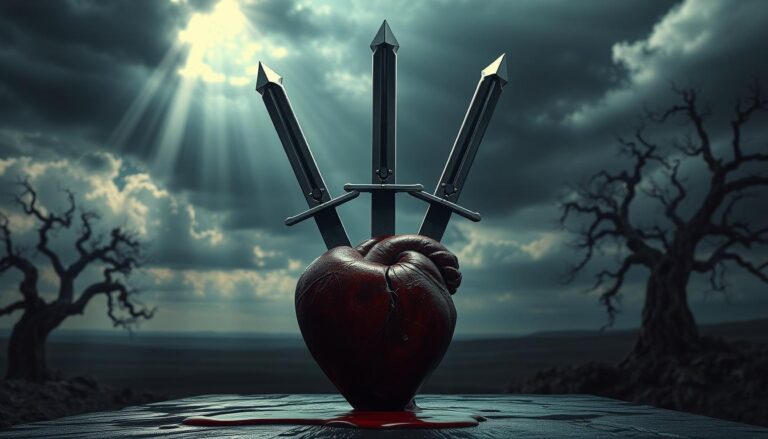
The Three of Swords is one of the most visually striking cards in the tarot deck, depicting a heart pierced by three swords against a stormy sky. This imagery isn’t merely symbolic—it reflects the raw, often sudden pain that can arise in romantic relationships. The card represents betrayal, loss, or unrequited love, but it also carries a deeper message: pain is not the end of the story. Instead, it’s a catalyst for transformation.
In love readings, the Three of Swords often appears when a relationship is tested by external forces—infidelity, miscommunication, or external circumstances like distance or family interference. Unlike fleeting arguments, this card signals a wound that cuts deep, leaving emotional scars. However, its presence doesn’t always mean doom. It can also indicate a necessary breaking point, where old patterns must dissolve to make way for growth.

Common Scenarios: When the Three of Swords Appears in Love
The Three of Swords frequently surfaces in readings about romantic pain, but its meaning shifts depending on the context. Here are some of the most common scenarios where this card makes its presence known:
Betrayal and Infidelity
One of the most painful experiences in love is betrayal, and the Three of Swords often reflects this reality. Whether it’s a partner’s secret affair, dishonesty, or emotional unavailability, this card highlights the sting of broken trust. It’s important to note that the betrayal doesn’t always come from malice—sometimes, it stems from fear, insecurity, or a lack of self-awareness. The Three of Swords urges you to ask: Was this betrayal a reflection of their limitations, or a mirror of my own unmet needs?
Unrequited Love and Rejection
Rejection is another form of heartbreak the Three of Swords embodies. This could manifest as loving someone who doesn’t reciprocate your feelings, or realizing that a relationship was one-sided. The pain of unrequited love is compounded by the illusion that the other person was “the one,” only to be proven wrong. Yet, this card reminds you that not all love is meant to last. Sometimes, the greatest gift of pain is clarity—it helps you recognize what you truly deserve in a partner.
Sudden Breakups and Loss
Unlike slow-burning relationships that fade, the Three of Swords often accompanies sudden, unexpected breakups. One day, everything seems fine; the next, you’re blindsided by a breakup or a revelation that changes everything. This abruptness can leave you feeling shattered, as if the ground has been pulled out from under you. However, the card’s stormy imagery suggests that this pain, while intense, is temporary. It’s a necessary storm that clears the way for new beginnings.
Why Are We So Fascinated by the Three of Swords in Love?
The Three of Swords holds a peculiar allure in love readings, and its fascination isn’t accidental. There’s something deeply human about the way we’re drawn to stories of heartbreak—whether in literature, music, or our own lives. This fascination stems from several key reasons:
The Catharsis of Pain
Humans are wired to seek emotional release, and heartbreak provides a form of catharsis. The Three of Swords represents the rawest aspects of love—the agony of loss, the sting of betrayal, and the vulnerability of opening your heart. By confronting these emotions, we process grief, anger, and sadness in a way that ultimately leads to healing. The card’s energy is intense, but it’s also purifying, stripping away illusions to reveal what truly matters.
The Myth of the “Perfect Love”
Society often romanticizes love as a fairy tale, where everything is blissful and effortless. The Three of Swords shatters this illusion, forcing us to confront the reality that love isn’t always gentle. Its presence in a reading can be a wake-up call, reminding us that even the most painful experiences are part of the journey. This card challenges the notion that love should be pain-free, instead framing heartbreak as a teacher rather than a tragedy.
The Power of Resilience
There’s a strange comfort in knowing that pain doesn’t have to be permanent. The Three of Swords teaches us that we are stronger than our wounds. The fact that this card is numbered “three” (a number often associated with growth and change) hints at transformation. Every heartbreak carries the seed of renewal—whether it’s a new perspective, a deeper self-awareness, or the courage to love again differently. This resilience is what makes the Three of Swords so compelling: it doesn’t just dwell on pain; it shows us how to rise from it.
Interpreting the Three of Swords: Upright vs. Reversed
The Three of Swords’ meaning can shift dramatically depending on whether it appears upright or reversed in a reading. Understanding these nuances can help you navigate its energy more effectively.
Upright Three of Swords: The Painful Truth
When the Three of Swords appears upright, it’s a direct message from the universe (or your subconscious) that you’re facing a harsh reality in love. This could be a betrayal, a breakup, or a realization that a relationship isn’t what you thought it was. The upright position emphasizes the necessity of this pain—it’s not a punishment, but a wake-up call. The card encourages you to acknowledge your emotions fully rather than suppressing them. Only by facing the truth can you begin to heal.
In practical terms, an upright Three of Swords might suggest:
- Taking time to process your feelings without rushing into decisions.
- Seeking support from trusted friends or a therapist to navigate the emotional fallout.
- Reflecting on what this pain is teaching you about your needs and boundaries.
Reversed Three of Swords: Healing and Release
When the Three of Swords appears reversed, its energy shifts from acute pain to gradual healing. This doesn’t mean the pain never existed—rather, it indicates that you’re moving through it. The reversed card suggests that you’re starting to see the light at the end of the tunnel, even if the wound is still fresh. It can also signal that you’re releasing old grudges, forgiving past hurts, or choosing to walk away from a toxic situation before it causes further damage.
Signs that the reversed Three of Swords is at play include:
- Feeling a sense of closure or acceptance about a past heartbreak.
- Recognizing patterns in your relationships that no longer serve you.
- Experiencing a renewed sense of hope or optimism about love.
This card reversed is a reminder that healing isn’t linear. There may still be moments of sadness, but they’re no longer debilitating. You’re reclaiming your power.
How to Navigate the Three of Swords in Your Love Life
Encountering the Three of Swords in a love reading can feel overwhelming, but it’s also an opportunity to grow. Here’s how to work with its energy constructively:
1. Allow Yourself to Grieve
Heartbreak isn’t something to “get over” quickly. The Three of Swords demands that you honor your pain. Suppressing emotions only delays healing. Journal, cry, or talk to someone you trust—whatever helps you process the loss. Remember, grief isn’t a sign of weakness; it’s proof of how deeply you loved.
2. Avoid Self-Blame
It’s easy to replay events in your mind and wonder, “What did I do wrong?” The Three of Swords can sometimes amplify self-doubt, but it’s crucial to separate your worth from the situation. Betrayal or loss often says more about the other person’s limitations than your value. Ask yourself: Did I deserve honesty? Did I show up with integrity? If the answer is yes, then the pain isn’t a reflection of your inadequacy.
3. Rebuild Your Self-Worth
After a heartbreak, it’s common to question your desirability or lovability. The Three of Swords can leave you feeling unworthy, but this is a distortion. Use this time to reconnect with yourself. What are your passions? Your strengths? Your dreams? Rebuilding your self-worth isn’t about finding a new partner—it’s about remembering who you are outside of the relationship.
4. Set Boundaries for Future Love
The Three of Swords often appears when boundaries were crossed—whether emotionally, physically, or mentally. Use this lesson to define what you will and won’t tolerate in future relationships. Healthy love shouldn’t feel like a gamble. If a situation feels off, trust your intuition. The card’s swords are a reminder to protect your heart, not isolate it.
Conclusion: The Three of Swords as a Path to Deeper Love
The Three of Swords in love is undeniably painful, but it’s also a card of profound transformation. It doesn’t just warn of heartbreak—it teaches that pain is a gateway to wisdom, resilience, and ultimately, deeper love. Whether you’re navigating betrayal, rejection, or the aftermath of a breakup, this card reminds you that you are not defined by your wounds.
Healing from the Three of Swords isn’t about erasing the past; it’s about integrating it. Every scar tells a story, and every heartbreak carries a lesson. By facing your pain with courage and self-compassion, you pave the way for relationships that are rooted in authenticity, trust, and mutual respect. The next time this card appears in a reading, remember: it’s not a curse—it’s an invitation to love yourself and others more deeply than before.
FAQ
What does the Three of Swords represent in a tarot reading?
The Three of Swords represents heartbreak, betrayal, and emotional pain, often highlighting the struggles within romantic relationships.
How should I interpret the Three of Swords when it appears upright?
When upright, the Three of Swords emphasizes facing harsh truths in love, encouraging you to acknowledge and process your emotions.
What does the reversed Three of Swords indicate?
The reversed Three of Swords signifies healing and release, suggesting that you are moving through pain and starting to see hope in your love life.
FAQ
What does the Three of Swords represent in a tarot reading?
The Three of Swords represents heartbreak, betrayal, and emotional pain, often highlighting the struggles within romantic relationships.
How should I interpret the Three of Swords when it appears upright?
When upright, the Three of Swords emphasizes facing harsh truths in love, encouraging you to acknowledge and process your emotions.
What does the reversed Three of Swords indicate?
The reversed Three of Swords signifies healing and release, suggesting that you are moving through pain and starting to see hope in your love life.
Leave a Reply