Short Answer
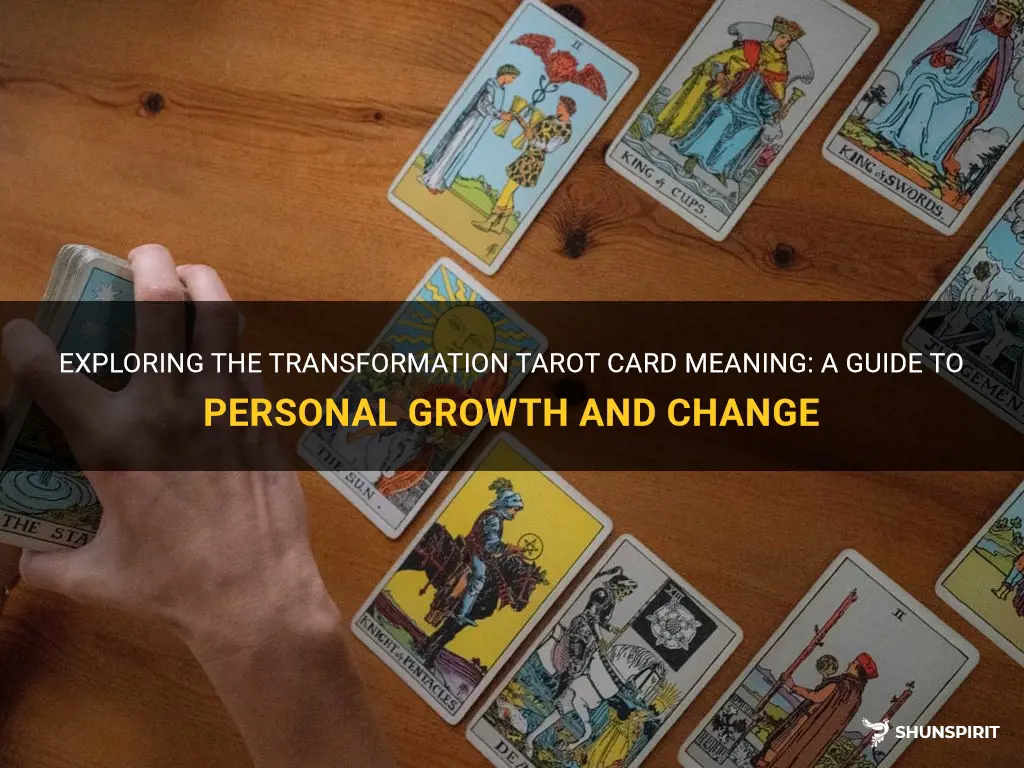
The Transformation Tarot Card, often symbolized by the imagery of rebirth, metamorphosis, and renewal, is a potent archetype that transcends the boundaries of divination and delves into significant theological and spiritual discussions. In the Christian framework, its connotations may initially appear disparate from the tenets of faith entrenched within biblical scripture; however, a closer examination unveils a rich tapestry of meaningful connections. This exploration seeks to illuminate the multifaceted layers of the Transformation Tarot Card and its implications when viewed through the lens of Christian doctrine.
At the heart of the Transformation Tarot Card lies the concept of change. Christianity, at its core, is a narrative punctuated by themes of change and transformation. The New Testament encapsulates the fundamental notion that a renewal of spirit is not merely possible; it is essential. The biblical stories of repentance, redemption, and resurrection echo the transformative energy inherent to this Tarot card. Just as Jesus invited individuals to abandon their old ways and embrace a new life imbued with divine purpose, the Transformation Tarot card extends a similar invitation to seekers of insight and clarity.
Moreover, the transformative experience in Christianity is closely linked to the concept of sacrifice. The act of transformation often necessitates surrendering one’s previous existence, mirroring the crucifixion. The imagery present in the Tarot card reflects a stark reminder of the arduous process that accompanies true metamorphosis. It challenges believers to contemplate the cost associated with true change: the relinquishment of ingrained habits, a reevaluation of priorities, and sometimes, grappling with painful losses. The duality of suffering and restoration underscores the narrative of the Transformation Tarot Card as it resonates with the Sacrifice of Christ, providing a profound commentary on the nature of growth.
Additionally, the dual nature of transformation—one that encompasses both chaos and order—can also be affiliated with the concept of divine providence. The unpredictable nature of life’s trials and tribulations embodies a chaotic element that often feels overwhelming. Through a Christian perspective, believers are taught to trust in God’s plan even amidst disarray. This mirrors the planting of a seed, which must undergo the disconcerting upheaval of its outer shell before it can blossom into a thriving plant. The Transformation Tarot Card encapsulates this journey from chaos to order, offering comfort to those who may feel engulfed by uncertainty.
Furthermore, the relationship between transformation and faith speaks volumes. The act of believing and trusting in God invites a transformative experience that alters an individual’s inner landscape. The Transformation Tarot Card encourages introspection and personal accountability; it asks the question: What do you wish to transform in your life? Within a Christian framework, believers are often invited to introspectively evaluate their lives, to surrender anxieties and burdens unto God for a transformative encounter that nurtures spiritual growth.
In examining the influence of transformation in the Scriptures, one cannot overlook the significance of the metamorphosis experienced by biblical figures. Consider, for instance, Saul of Tarsus, who underwent an extraordinary transformation into Paul the Apostle after an epiphany on the road to Damascus. His life serves as a testament to the possibility of profound change that aligns seamlessly with the transformational energies emanating from the Tarot card. Paul’s journey reinforces the idea that enlightening revelation, sprinkled with divine intervention, propels individuals towards a purpose far beyond their previous understandings.
Equally thought-provoking is the concept of spiritual rebirth depicted in Christianity, particularly through baptism. This ritual signifies a transition from an old life of sin to a new existence in Christ, paralleling the transformative journey illustrated by the Tarot Card. Christians are called to experience this transformation regularly—not only during significant life events but also in everyday actions aligned with their faith. This idea that transformation is both a one-time event and a continuous process resonates deeply within the esoteric layers of the Transformation Tarot Card.
Community also plays an essential role in one’s journey towards transformation. In Christianity, believers are encouraged to support one another in their pathways to genuine transformation. This communal aspect is encapsulated within the Tarot card’s symbolism. It serves as a reminder that transformation, although profoundly personal, is not an exercise in isolation. Authentic transformation flourishes through connection, love, and mutual encouragement, inviting a broader spectrum of support to nurture individual transitions.
In conclusion, the Transformation Tarot Card resonates with profound implications when viewed through a Christian lens. It challenges believers to explore the intricacies of change, sacrifice, faith, and communal support within their spiritual journeys. The transformative process, akin to the essence of the Christian faith, encourages an individual to embrace the journey of continual growth and renewal. Through understanding the deeper meanings embedded within the Transformation Tarot Card, one can appreciate that even symbols traditionally rooted in mysticism can provide valuable insights into the principles of faith and spiritual evolution. Ultimately, the intertwining of these seemingly disparate realms creates a fertile ground for exploration, reflection, and, ultimately, transformation.
FAQ
What does the Transformation Tarot Card symbolize?
The Transformation Tarot Card symbolizes rebirth, change, and spiritual growth.
How does Christianity relate to the Transformation Tarot Card?
Christianity emphasizes themes of transformation, sacrifice, and renewal, paralleling the meanings of the Transformation Tarot Card.
Leave a Reply