Short Answer
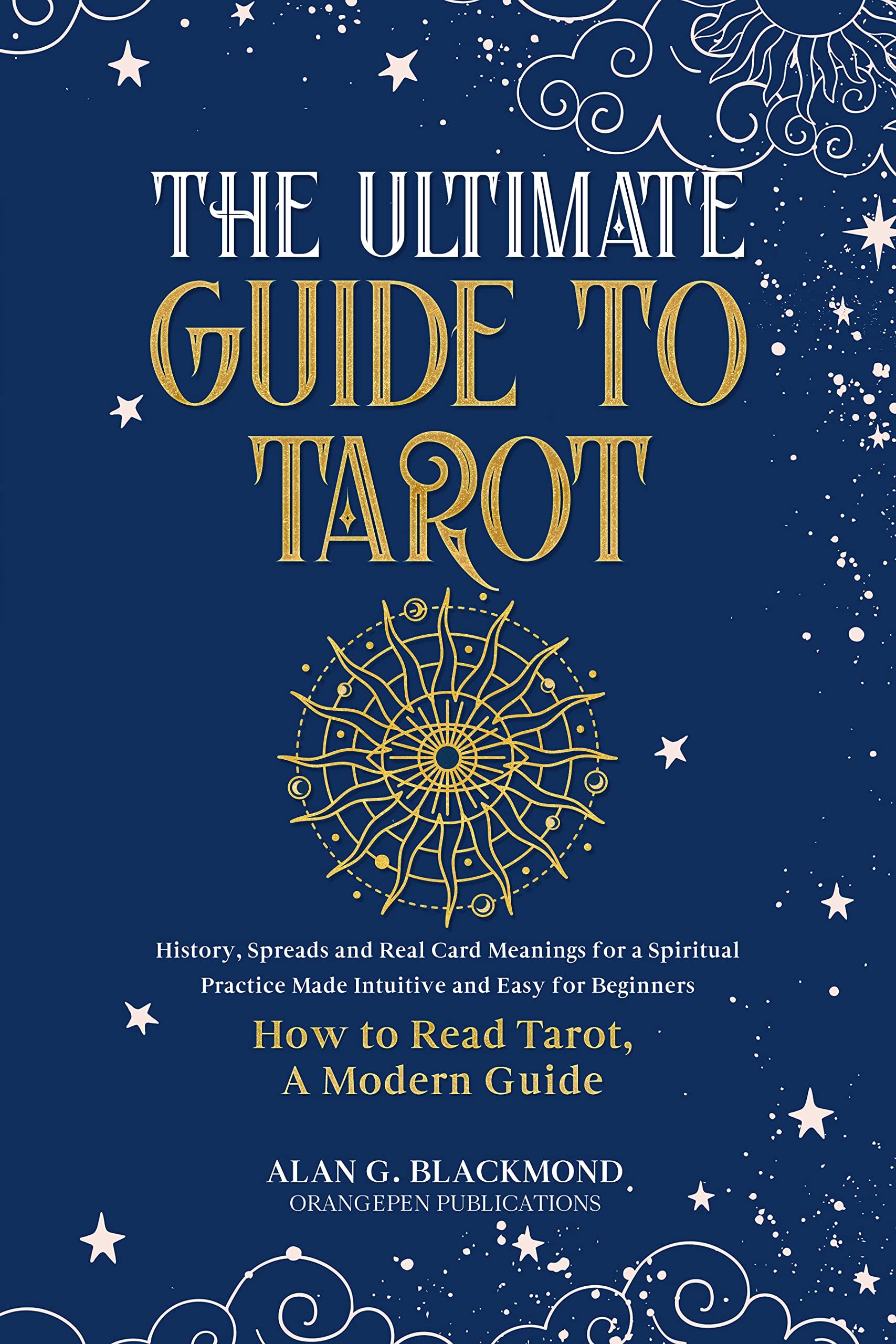
Embarking on a journey into the mystical world of tarot can feel like stepping into a labyrinth of symbols, archetypes, and ancient wisdom. Whether you’re a curious beginner or a seasoned reader seeking deeper insights, The Ultimate Guide to Tarot is your compass through the enigmatic landscape of the cards. This comprehensive guide demystifies the history, meanings, and spreads of tarot, transforming what might seem like a cryptic tool into a clear and empowering language of intuition. By the end of this article, you’ll understand how tarot works, why it resonates across cultures, and how you can use it to unlock personal growth, spiritual clarity, and even everyday decision-making. Prepare to unravel the threads of fate and discover the profound wisdom hidden within each card.
The Enchanting History of Tarot: From Playing Cards to Divination
Tarot cards are often shrouded in mystery, but their origins are far from supernatural—they began as a humble deck of playing cards in 15th-century Europe. Initially used for games like tarocchi in Italy, the cards evolved over centuries into a tool for divination and self-reflection. By the late 18th century, occultists like Antoine Court de Gébelin and Éliphas Lévi began associating tarot with ancient Egyptian mysticism, Kabbalah, and astrology, weaving a tapestry of esoteric lore around the deck. The Rider-Waite-Smith deck, published in 1909, revolutionized tarot by introducing vivid, narrative-rich imagery that made the cards accessible to the masses. Today, tarot is celebrated not just as a divination tool but as a mirror to the human psyche, reflecting our fears, desires, and subconscious patterns. Understanding this history transforms tarot from a mere curiosity into a living tradition that has shaped spiritual exploration for generations.

The Language of Symbols: Decoding the Major and Minor Arcana
At the heart of tarot lies its language—the symbols that speak to us on a subconscious level. The deck is divided into two main sections: the Major Arcana and the Minor Arcana. The Major Arcana consists of 22 cards, each representing a pivotal life lesson or spiritual journey, from The Fool (new beginnings) to The World (completion). These cards are the “big themes” of life, acting as guideposts on your path. The Minor Arcana, on the other hand, mirrors the structure of a standard deck with four suits—Cups, Pentacles, Swords, and Wands—each corresponding to emotional, material, intellectual, and creative energies. While the Major Arcana deals with grand narratives, the Minor Arcana zooms in on the everyday dramas of life. Learning to interpret these symbols is like learning a new dialect of intuition, where every image, color, and number carries meaning. For instance, the Three of Cups might signal celebration and friendship, while the Five of Swords could warn of conflict or betrayal. Mastering this language allows you to read the cards not just as static images, but as dynamic conversations with your higher self.
Tarot Spreads: Crafting Your Personal Narrative
Reading tarot isn’t just about pulling a single card—it’s about weaving a story. Tarot spreads are the frameworks that structure this narrative, offering different lenses through which to view a question or situation. A simple three-card spread might represent past, present, and future, while a more complex celtic cross spread delves into influences, challenges, and potential outcomes. Each position in a spread acts as a chapter in your story, and the cards you draw are the characters, plot twists, and hidden motivations. For example, drawing the Tower in the “challenge” position of a celtic cross could suggest sudden upheaval, while the Star in the “outcome” position might hint at hope and renewal. The beauty of spreads lies in their flexibility—you can design them to explore love, career, personal growth, or even shadow work. By experimenting with different layouts, you’ll discover which spreads resonate most with your intuition, turning tarot into a personalized tool for insight and clarity.
Tarot as a Mirror: Reflecting Your Inner World
One of the most profound aspects of tarot is its ability to act as a mirror, reflecting not just external circumstances but the inner landscapes of our minds and hearts. When you pull a card like the Hermit, it might be inviting you to seek solitude and introspection, while the Queen of Wands could be encouraging you to embrace your fiery passions. Tarot doesn’t predict the future—it illuminates the present, revealing patterns, blockages, and hidden potentials within you. This reflective quality makes it a powerful tool for therapy, self-discovery, and personal development. For instance, if you consistently draw the Eight of Cups, it might signal a need to walk away from a stagnant situation, even if the path forward is unclear. By engaging with tarot in this way, you transform it from a mystical artifact into a psychological and spiritual ally, helping you navigate life’s complexities with greater awareness and confidence.
The Ethical Practice of Tarot: Respecting Free Will and Intuition
While tarot can be a source of profound insight, it’s essential to approach it with ethical considerations in mind. Tarot is not a tool for control or fatalism—it’s a conversation, not a command. The cards offer perspectives, not prophecies, and their power lies in how you interpret and apply their messages. Ethical tarot readers emphasize free will, encouraging querents to use the cards as a guide rather than a definitive answer. For example, if you draw the Ten of Swords in a career reading, it might highlight a painful ending, but it’s up to you to decide whether to embrace change or resist it. Additionally, tarot should never be used to manipulate or judge others. It’s a personal tool for growth, and its magic lies in its ability to foster self-awareness and empowerment. By practicing tarot with integrity, you honor its tradition while ensuring it remains a force for positive transformation in your life.
Beyond the Basics: Advanced Techniques and Personal Rituals
Once you’ve mastered the fundamentals, tarot offers a wealth of advanced techniques to deepen your practice. Card reversals, where cards are read upside down, can add nuance by highlighting blocked or internalized energies. Elemental dignities involve analyzing the elemental correspondences of the cards to assess harmony or tension in a spread. Some readers also incorporate astrology by aligning cards with zodiac signs or planetary influences, adding another layer of depth to their interpretations. Personal rituals can enhance your connection to the deck—whether it’s cleansing your cards with moonlight, journaling your readings, or meditating on a card’s imagery before sleep. The more you engage with tarot, the more it becomes a living dialogue between you and the universe. These advanced practices aren’t just about complexity; they’re about tailoring tarot to your unique spiritual language, making it an even more potent tool for insight and transformation.
Conclusion
The Ultimate Guide to Tarot is more than a book—it’s an invitation to explore the depths of your intuition and the mysteries of the human experience. From its humble origins as a game to its modern role as a spiritual compass, tarot has endured because it speaks to something universal within us: the desire to understand ourselves and the world around us. By learning the language of the cards, crafting meaningful spreads, and approaching tarot with respect and curiosity, you unlock a tool that can guide you through life’s most challenging questions and celebrate its greatest joys. Whether you’re drawn to tarot for divination, self-reflection, or creative inspiration, remember that its true power lies not in the cards themselves, but in the wisdom you bring to them. Let each reading be a step toward greater clarity, courage, and connection—with yourself and the universe.
FAQ
What are tarot cards used for?
Tarot cards are used for divination, self-reflection, personal growth, and gaining insights into various aspects of life.
How do I read tarot cards?
To read tarot cards, you interpret the symbols and meanings of each card and their positions within a spread.
What is the difference between Major and Minor Arcana?
The Major Arcana represents significant life events and spiritual lessons, while the Minor Arcana focuses on everyday situations and challenges.
Leave a Reply