Short Answer
In this guide, you’ll discover how to understand tarot card meanings without relying on rote memorization. Instead of forcing your mind to recall rigid definitions, you’ll learn to connect with the cards intuitively, allowing their imagery and symbolism to speak directly to your intuition. By shifting your focus from memorization to feeling, you’ll develop a deeper, more personal relationship with the tarot that feels authentic and empowering. Whether you’re a beginner or looking to refine your practice, this approach will help you interpret the cards with confidence and clarity.
Why Memorization Fails and Intuition Succeeds
Many people approach tarot with the assumption that memorizing card meanings is the key to mastery. While traditional guides offer structured interpretations, they often overlook the most powerful tool at your disposal: your own intuition. Memorization can create a mental block, making it difficult to adapt to the unique energy of each reading. Instead of forcing yourself to recall definitions, try letting the imagery guide you. Notice the colors, symbols, and emotions that arise when you look at a card. These subtle cues are often more revealing than any pre-written meaning. Over time, this practice builds a natural, organic understanding of the cards that feels effortless and personal.
The Power of Symbolism in Tarot
Tarot cards are rich with symbolism, from the Rider-Waite-Smith’s iconic imagery to modern decks that blend diverse cultural influences. Each symbol—whether it’s a crown, a sword, or a flowing river—carries layers of meaning that can shift depending on context. Instead of treating these symbols as fixed definitions, explore their emotional and psychological resonance. For example, a sword might represent clarity in one reading and conflict in another. By tuning into the feelings these symbols evoke, you’ll uncover deeper layers of interpretation that go beyond surface-level meanings. This approach transforms tarot from a static reference tool into a dynamic conversation with your subconscious.
Connecting with the Cards Through Storytelling
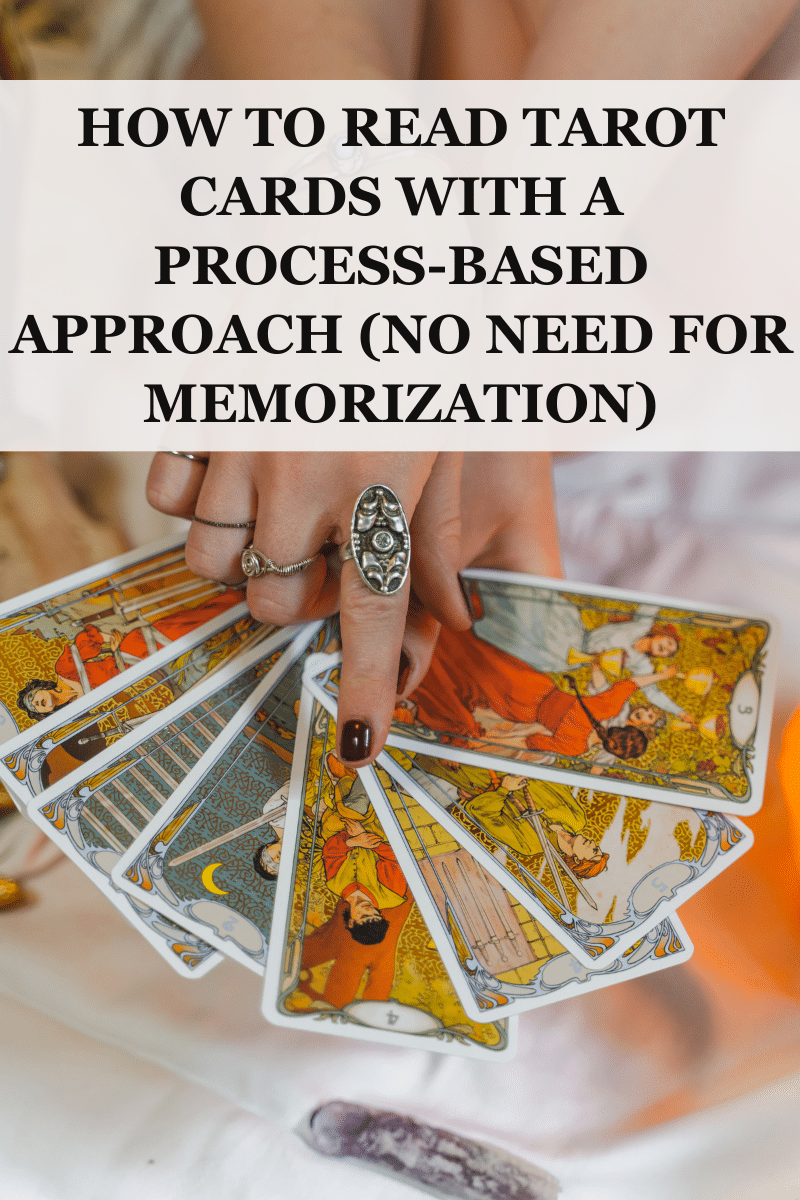
One of the most effective ways to understand tarot meanings is to treat each card as a story. Instead of dissecting its components, imagine the narrative unfolding in the image. What is the character doing? What challenges or triumphs are they experiencing? This storytelling approach makes the cards feel alive and relatable. For instance, the Three of Cups might evoke images of celebration, friendship, or even unspoken tensions beneath the surface. By framing the card as a moment in a larger story, you invite your intuition to fill in the gaps, creating a more nuanced and personalized interpretation. This method also helps you remember the cards more naturally, as stories are easier to recall than isolated facts.
Trusting Your First Impression
Your initial reaction to a card is often the most honest one. When you first lay out a spread, resist the urge to overanalyze. Instead, jot down the words or emotions that come to mind without judgment. These first impressions are your intuition speaking directly, unfiltered by external influences. Over time, you’ll notice patterns in how certain cards make you feel, which can become a reliable guide for future readings. For example, if the Death card consistently evokes fear in you, it might signal a need to explore your relationship with change rather than defaulting to its traditional meaning of transformation. Trusting these gut reactions builds confidence in your ability to interpret the tarot authentically.
Using the Cards as a Mirror for Self-Reflection
Tarot is not just about predicting the future; it’s a tool for self-discovery. Each card reflects aspects of your inner world, from hidden desires to subconscious fears. When a card appears in a reading, ask yourself: What part of my life does this resonate with? How does this image make me feel? This reflective practice turns the tarot into a mirror, helping you uncover insights about your emotions, relationships, and personal growth. For example, the High Priestess might appear when you need to trust your instincts, while the Tower could signal a necessary breakdown before a breakthrough. By using the cards as a tool for introspection, you shift from passive memorization to active engagement with your own psyche.
Practical Exercises to Deepen Your Intuitive Connection
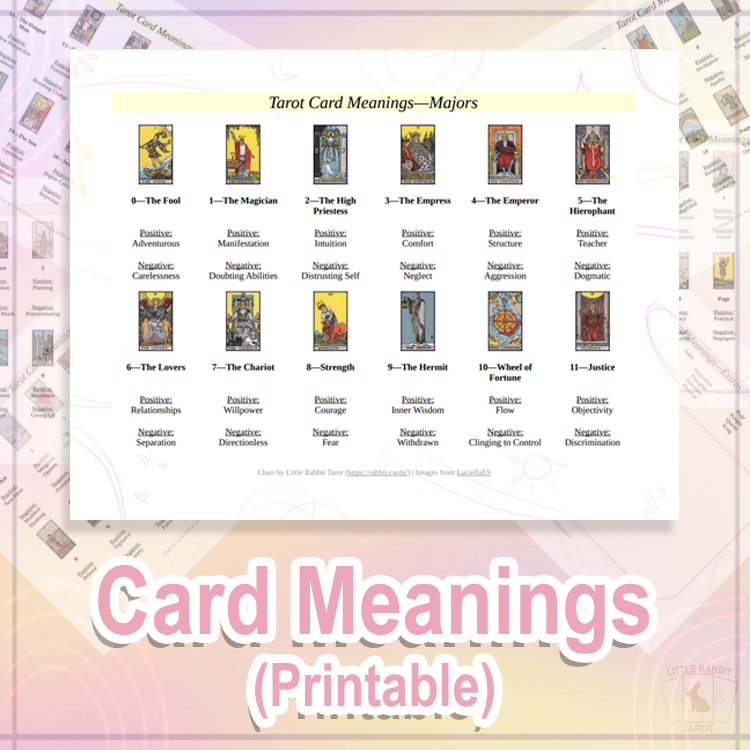
To move beyond memorization, try these exercises to strengthen your intuitive bond with the tarot:
- Daily Draw: Pull one card each morning and spend a few minutes journaling about its imagery, symbols, and how it relates to your day. Over time, you’ll develop a personal lexicon of meanings.
- Card Pairing: Combine two cards randomly and explore the story they tell together. This helps you see how meanings interact and evolve in different contexts.
- Meditation: Sit with a single card, focusing on its details while quieting your mind. Notice which emotions or memories arise without forcing an interpretation.
- Reverse Meanings: Instead of viewing reversed cards as “negative,” explore what they might reveal about hidden aspects of a situation. For example, a reversed Lovers card might highlight imbalance rather than discord.
Conclusion
Understanding tarot card meanings isn’t about memorizing a dictionary of definitions—it’s about cultivating a relationship with the cards that feels intuitive and alive. By focusing on symbolism, storytelling, and self-reflection, you’ll move beyond rigid interpretations to discover meanings that resonate with your unique perspective. Trust your first impressions, use the cards as a mirror for personal growth, and practice exercises that deepen your connection. Over time, the tarot will become less of a tool to decode and more of a language to speak fluently, guiding you with wisdom and clarity. Let go of the need to memorize, and instead, embrace the art of feeling your way through each reading.
FAQ
What are tarot cards used for?
Tarot cards are used for divination, self-reflection, and personal growth by interpreting their meanings and symbolism.
How can I improve my tarot reading skills?
You can improve your tarot reading skills by practicing intuitive interpretation, engaging with the symbolism of the cards, and reflecting on your personal experiences.
Leave a Reply