Short Answer
Welcome to this comprehensive guide where we explore two distinct yet intriguing topics: the classic card game Uno and the complex emotional experience of unrequited love. Whether you’re looking to master the rules of Uno, discover creative variations, or understand the psychology behind unrequited love, this guide has you covered. You’ll learn about the history and gameplay of Uno, how to play strategically, and even where to find unique Uno-themed merchandise. Additionally, we’ll delve into the emotional landscape of unrequited love, offering insights into its causes, effects, and ways to cope. By the end, you’ll have a deeper appreciation for both the fun of Uno and the depth of human emotions.
The History and Basics of Uno
Uno is a widely beloved card game that has entertained families and friends for decades. Created in 1971 by Merle Robbins, a barber from Ohio, the game was initially a family project before gaining massive popularity. The name “Uno” comes from the Spanish and Italian word for “one,” reflecting the objective of being the first player to discard all your cards by matching them to the card on the discard pile by color, number, or symbol.
The standard Uno deck consists of 108 cards, including:
- Number cards (0-9) in four colors: red, blue, green, and yellow.
- Action cards such as Skip, Reverse, and Draw Two.
- Wild cards including Wild and Wild Draw Four.
Uno is designed for 2 to 10 players and typically takes about 15-30 minutes to play. The game’s simplicity and fast-paced nature make it accessible to all ages, while the strategic elements keep it engaging for competitive players. Whether you’re playing at a family gathering or a casual get-together, Uno is a fantastic way to bring people together.
How to Play Uno: Rules and Gameplay
Playing Uno is straightforward, but mastering it requires a bit of strategy. Here’s a step-by-step breakdown of the rules:
Setup
Each player starts with seven cards. The remaining deck is placed face-down as the draw pile, and the top card is flipped to start the discard pile. Players take turns clockwise.
Gameplay
On your turn, you must match the top card of the discard pile by either:
- Color
- Number
- Symbol (e.g., Skip, Reverse, Draw Two)
If you can’t play a card, you must draw one from the deck. If the drawn card is playable, you may immediately play it.
Special Cards
Uno includes several action cards that add excitement to the game:
- Skip: The next player loses their turn.
- Reverse: Changes the direction of play.
- Draw Two: The next player draws two cards and loses their turn.
- Wild: Allows you to change the color in play.
- Wild Draw Four: Changes the color and forces the next player to draw four cards.
Winning the Game
The first player to discard all their cards wins the round. Points are typically awarded to the remaining players based on the cards left in their hands. The player with the lowest score after several rounds is declared the overall winner.
Strategies to Win at Uno
While Uno is a game of chance, employing a few strategies can significantly improve your chances of winning:
Card Management
Pay attention to the cards in your hand and the cards being played. Try to hold onto action cards (like Skip or Draw Two) until they can have the most impact. Avoid playing Wild cards too early, as they can be used more effectively later in the game.
Observing Opponents
Watch what cards your opponents are playing and try to deduce what they might be holding. If a player is frequently drawing cards, they might be struggling to match the discard pile.
Bluffing
Sometimes, playing a card that doesn’t match the discard pile can force opponents to draw, especially if they suspect you have a Wild card. Use this to your advantage to disrupt their strategy.
Team Play
In team variations of Uno, communication and coordination with your partner are key. Signal your intentions subtly to avoid giving away your strategy.
Creative Variations of Uno
Uno’s versatility has led to numerous creative variations that add new twists to the classic game. Here are a few popular ones:
Progressive Uno
In this version, the winner of each round starts the next round with one fewer card. The game continues until a player is left with no cards in a round where they must start with just one card.
Stacking Uno
Players can stack Draw Two or Draw Four cards on top of each other, forcing the next player to draw even more cards. This adds a layer of strategy and risk-taking.
Seven-0 Uno
In this variation, the number 7 forces the next player to swap hands, and the number 0 forces all players to pass their hands to the next player in the direction of play.
Uno Attack
A digital version of Uno where players press a button to activate a card shooter that randomly deals cards. This adds an element of surprise and excitement.
Uno-Themed Merchandise and Collectibles
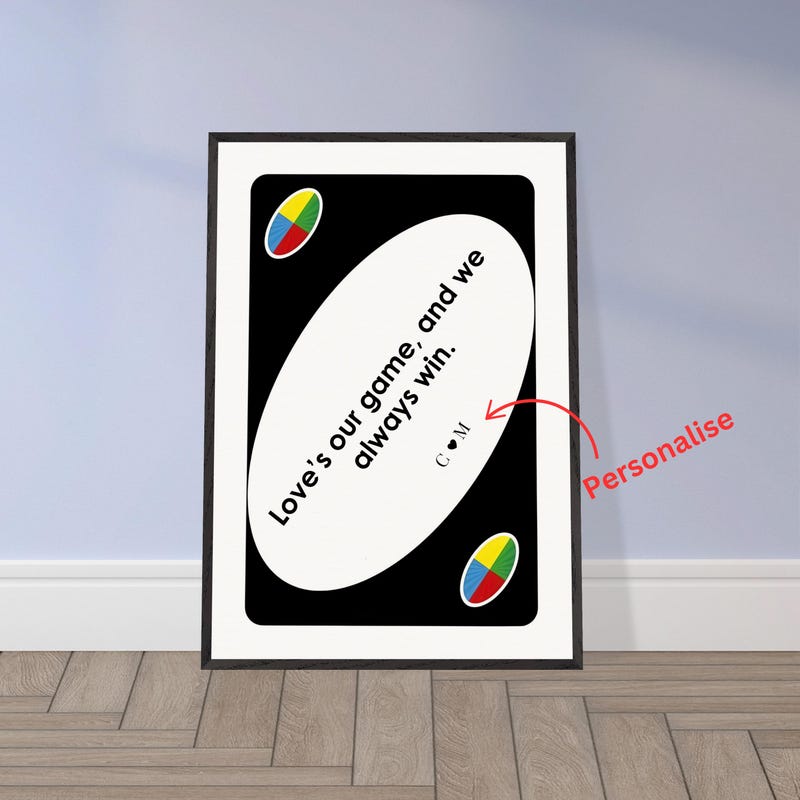
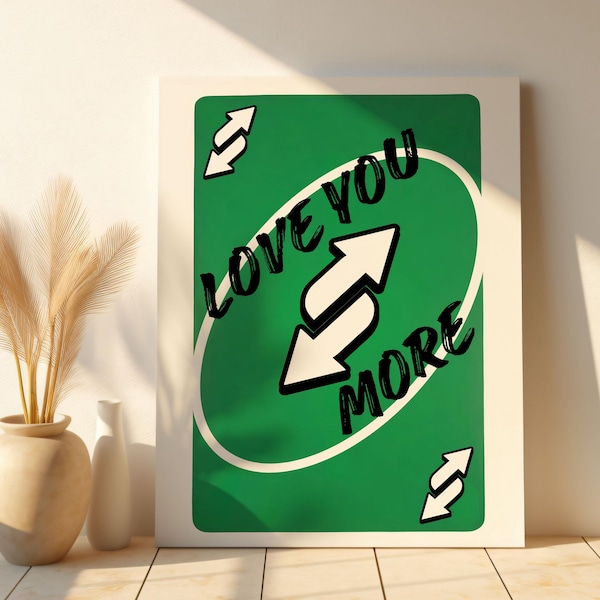
Uno’s popularity has inspired a wide range of merchandise and collectibles. From themed card decks to apparel and home decor, there’s something for every Uno enthusiast. Websites like Etsy offer unique Uno-themed items, such as custom Uno card sets, wall art, and even Uno-inspired jewelry. These items make great gifts for card game lovers and can add a fun touch to any game night setup.
Understanding Unrequited Love
Unrequited love is a one-sided emotional experience where one person harbors deep feelings for another who does not reciprocate those feelings. It’s a universal phenomenon that has been explored in literature, music, and film for centuries. Unlike mutual love, unrequited love often involves longing, hope, and sometimes heartache. Understanding its dynamics can help individuals navigate these emotions more effectively.
Causes of Unrequited Love
Several factors contribute to the development of unrequited love:
- Projection: People often fall for an idealized version of someone rather than the person themselves.
- Proximity: Being close to someone regularly, such as a coworker or classmate, can foster feelings over time.
- Loneliness: A desire for connection may lead to attaching feelings to someone who isn’t available.
- Low Self-Esteem: Some individuals seek validation from others, leading to one-sided infatuations.
Emotional Impact
Unrequited love can evoke a range of emotions, from euphoria during moments of perceived connection to despair when rejection becomes clear. Common emotional responses include:
- Hope: The belief that the other person’s feelings might change over time.
- Anxiety: Worrying about how to express feelings or fear of rejection.
- Obsession: Constantly thinking about the person and their interactions with you.
- Depression: Feelings of sadness or hopelessness when the love remains unreciprocated.
Coping with Unrequited Love
Dealing with unrequited love can be challenging, but there are strategies to help manage the emotional turmoil:
Acceptance
Acknowledge your feelings without judgment. Accepting that the love may not be reciprocated is the first step toward healing.
Self-Reflection
Ask yourself why you feel this way and whether the relationship is truly healthy for you. Sometimes, the object of your affection may not be the right person for you.
Distraction
Engage in activities that keep your mind occupied, such as hobbies, exercise, or spending time with friends. This can help shift your focus away from the unrequited feelings.
Support System
Talk to trusted friends or family members about your feelings. Sometimes, an outside perspective can provide clarity and comfort.
Professional Help
If the emotions become overwhelming, consider speaking with a therapist. They can help you process your feelings and develop coping mechanisms.
The Psychology Behind Unrequited Love
Unrequited love is not just a romantic notion; it has deep psychological roots. Researchers have studied this phenomenon to understand why people continue to pursue relationships that are unlikely to succeed.
Attachment Theory
Attachment theory suggests that early relationships with caregivers shape how we form attachments in adulthood. People with anxious attachment styles may be more prone to unrequited love due to a fear of abandonment or a need for constant validation.
The Romeo and Juliet Effect
Named after Shakespeare’s famous play, the Romeo and Juliet effect describes how external obstacles can intensify feelings of love. In unrequited love, the challenge of winning over someone who doesn’t feel the same way can make the feelings even stronger.
Dopamine and Reward
The brain’s reward system plays a significant role in unrequited love. The uncertainty and pursuit of someone can trigger dopamine release, creating a cycle of hope and longing that’s hard to break.
Cultural Depictions of Unrequited Love
Unrequited love has been a recurring theme in art, literature, and media, reflecting its universal nature. Some famous examples include:
- Literature: “Wuthering Heights” by Emily Brontë and “Pride and Prejudice” by Jane Austen explore themes of unrequited love.
- Film: Movies like “Eternal Sunshine of the Spotless Mind” and “La La Land” depict the pain and beauty of one-sided love.
- Music: Songs like “Unchained Melody” by The Righteous Brothers and “Someone Like You” by Adele capture the essence of longing and heartbreak.
Conclusion
Whether you’re a fan of the classic card game Uno or navigating the complexities of unrequited love, understanding the nuances of each can enrich your experiences. Uno offers a fun and strategic way to bond with others, while unrequited love, though painful, provides an opportunity for self-discovery and emotional growth. By learning the rules and strategies of Uno, you can enhance your gameplay and enjoy countless hours of entertainment. Meanwhile, recognizing the causes and effects of unrequited love can help you navigate these emotions with greater resilience and self-awareness. Ultimately, both topics remind us of the diverse ways people connect, whether through games or the shared human experience of love in all its forms.
FAQ
What are the basic rules of Uno?
Each player starts with seven cards, must match the top card of the discard pile by color, number, or symbol, and aims to be the first to discard all their cards.
What is unrequited love?
Unrequited love is a one-sided emotional experience where one person has deep feelings for another who does not reciprocate those feelings.

Leave a Reply